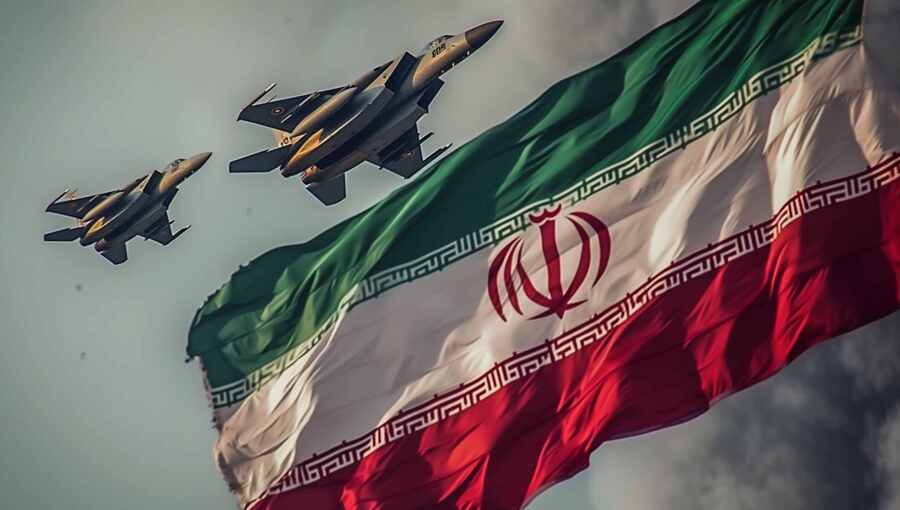
The war with Iran has exposed the collapse of traditional arrangements between the United States and Gulf countries, as the region faces major security and economic shocks. This comes just months after the UAE announced a record $1.4 trillion investment in the United States, before the war forced a reassessment of the region’s ability to sustain its overseas commitments.
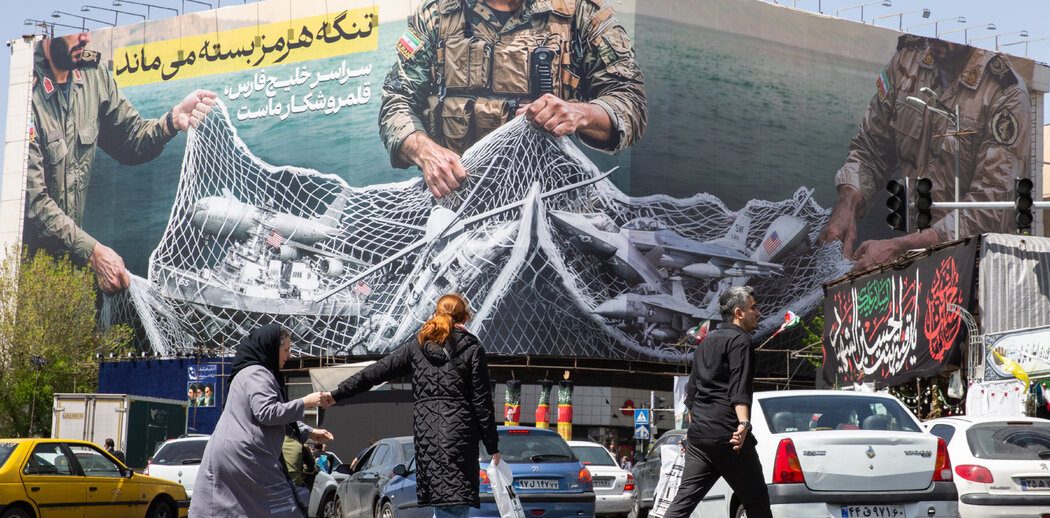
Iranian attacks have disrupted energy supplies and choked shipping through the Strait of Hormuz, while Washington declared a naval blockade. This escalation has pushed Gulf States into a new reality, where major investments are now directly tied to regional stability.
Details
For decades, the U.S.–Gulf relationship was built on a simple equation: oil for security. But this framework had already been eroding even before the war, as the United States moved toward energy independence and Gulf economies began investing trillions to diversify beyond oil.
Today, the relationship appears far more complex and deeper, especially between the UAE and the United States:
- The UAE has been the top destination for U.S. exports in the Middle East for 17 consecutive years, with a $23.8 billion trade surplus for Washington in 2025.
- Cooperation extends beyond trade into education, healthcare, and culture, including American universities, hospitals, and major cultural projects.
- In technology, partnerships are expanding with major U.S. companies, particularly in AI and digital infrastructure.
The current war has exposed the fragility of the stability underpinning this network of interests. Despite this, the UAE has continued to defend its infrastructure, keep its economy open, and uphold its investment commitments—underscoring the strength of the relationship.
What’s Next?
Focus is now shifting to how Washington and Abu Dhabi will redefine their partnership to match a new reality built on deep mutual interests rather than outdated frameworks.