News
Trump announced that the crisis with Iran is moving from a stalled negotiation track to a naval blockade track, after the Pakistan talks ended without an agreement on what he described as the decisive issue: Iran’s nuclear program.
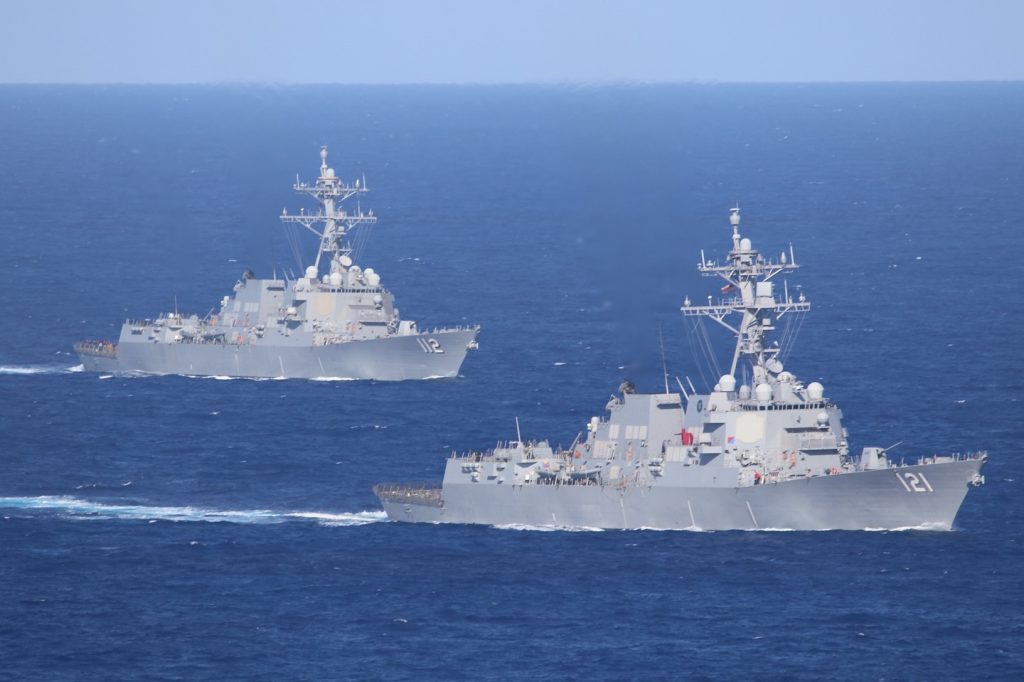
He said the U.S. Navy will begin imposing a blockade on any ship trying to enter or leave the Strait of Hormuz, while intercepting vessels that paid fees to Iran and expanding operations to remove mines and secure maritime traffic.
Details
• Washington believes Iran has held the Strait of Hormuz hostage by threatening the use of mines, imposing transit fees, and obstructing oil exports.
• Trump discussed the naval blockade option with his team over recent days as a fallback plan in case the talks failed.
• He said U.S. forces will intercept ships that paid fees to Iran, and that safe passage will not apply to any party dealing with what he described as illegal tolls.
• He indicated that U.S. forces will also begin destroying mines that Washington says Iran planted in the strait.
• He confirmed that other countries will take part in the blockade, suggesting an effort to build broader international cover for the operation.
• Trump directly linked the decision to the failure of a nuclear understanding, saying most other points had been agreed but Iran showed no willingness to abandon its nuclear ambitions.
• This development puts the fragile ceasefire under direct pressure, because the shift from negotiation to blockade raises the chances of an Iranian response or a return to military escalation.
What next?
Attention is now turning to three tracks: how quickly the blockade begins in practice, what form Iran’s response in the strait takes, and whether maritime pressure will force a nuclear concession or trigger a broader round of escalation.