News
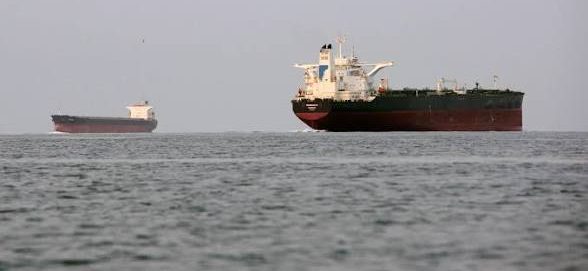
Dubai: Fears are mounting in the Gulf that talks between the United States and Iran could lead to a settlement that entrenches Tehran’s influence over the Strait of Hormuz, instead of stripping away the pressure tools it accumulated during the war, potentially turning the world’s most dangerous oil corridor into a new red line in any future agreement!
Details
• Official and analytical circles expect the next round of negotiations in Islamabad to focus on uranium enrichment limits and how to handle the Hormuz card more than on Iran’s missiles or Tehran’s affiliated armed networks!
• Gulf sources say U.S.-Iran diplomacy has become less focused on rolling back Iran’s missile program and more inclined toward containing Tehran’s ability to exert pressure through Hormuz, a route through which about one-fifth of global oil supplies passes!
• These circles believe that the mere shift in negotiating priorities is alarming, even as sharp disputes over enrichment continue, especially with Iran rejecting the zero-enrichment principle and refusing to transfer its stockpiles abroad!
• A Gulf source close to government circles said that Hormuz has ultimately become the red line, adding that this had not previously been on the table in this way, but the rules of the game have now changed!
• Gulf capitals believe the current approach may prioritize global economic stability and the safe flow of energy, but in return may leave the countries most affected by the consequences of Iranian leverage outside the circle of actual decision-making!
• Iran’s threats to Gulf shipping during the war broke longstanding taboos tied to the strait and made its disruption a realistic pressure card in negotiations for the first time at this level of seriousness!
• Dmitry Medvedev’s remarks reinforced these fears after he presented Hormuz as a strategic deterrence tool in Iran’s hands, capable of raising costs and imposing new rules of engagement without crossing the traditional nuclear threshold!
What next?
If this path continues, the question may no longer be whether Hormuz is reopened or not; rather, whoever holds the power to threaten it politically and militarily in the future will pose the real danger! For the Gulf, the risk is that any coming settlement could shift from a track aimed at reducing Iranian influence to a formula for living with it, so long as global oil flows continue at the minimum acceptable level!