Global oil prices fell sharply while stock markets surged after the United States and Iran agreed to a two-week conditional ceasefire that includes reopening the vital Strait of Hormuz. The move eased supply concerns and pushed investors back toward risk assets, despite lingering doubts over the deal’s durability.
Details
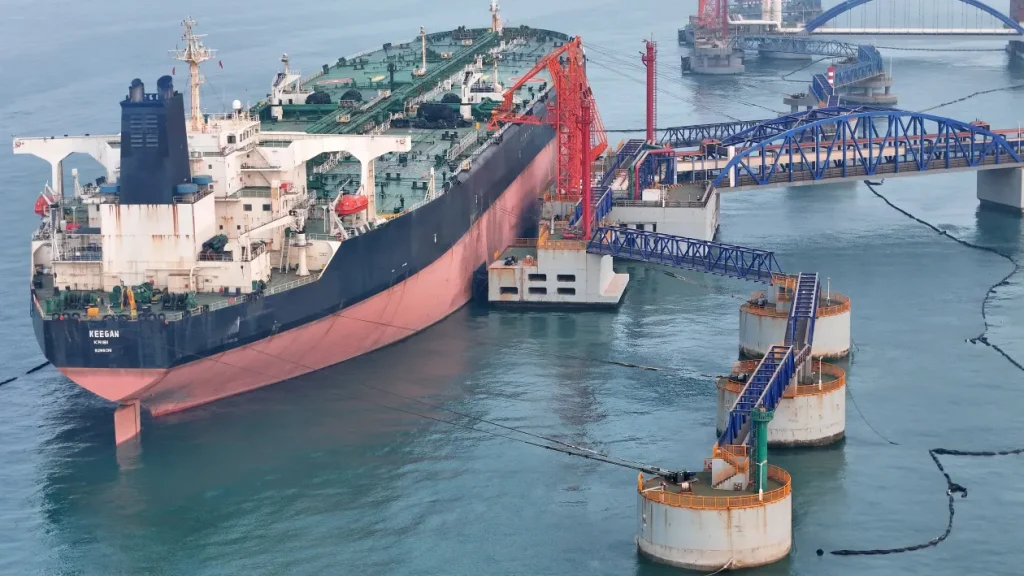
Oil prices initially dropped about 15% to below $92 per barrel before trimming losses, while US crude stabilized near $96. However, prices remain above pre-conflict levels on February 28, when they were around $70.
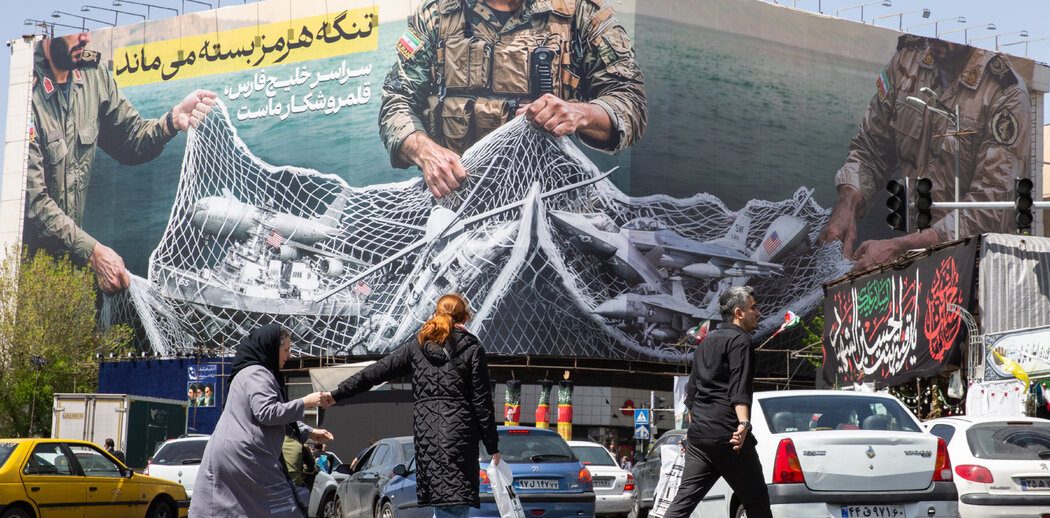
The shift followed severe disruptions to oil and gas supplies from the Middle East, after Iranian threats to target shipping in the Strait of Hormuz in response to US-Israeli strikes.
Meanwhile, global stock markets posted broad gains:
- The S&P 500 rose 2.5%, while the Dow Jones and Nasdaq climbed 2.8%.
- In Europe, France’s CAC 40 jumped 4.5%, Germany’s DAX gained 4.7%, and the UK’s FTSE 100 rose 2.5%.
- In Asia, Japan’s Nikkei surged 5.4%, South Korea’s Kospi gained 6.8%, and Hong Kong’s Hang Seng rose 3%
US President Donald Trump announced a two-week pause in attacks, conditional on the full and secure reopening of the Strait of Hormuz, setting a strict timeline for compliance. Iranian Foreign Minister Abbas Araghchi signaled Tehran’s willingness to accept the ceasefire in exchange for halting attacks and ensuring safe navigation.
Despite this, risks remain. Reports indicate that some attacks are continuing, undermining confidence in the sustainability of the ceasefire. Oil production may also take time to return to normal due to damage to infrastructure.
Estimates suggest:
- Noticeable declines in output from some oil companies due to the conflict.
- A roughly 17% drop in Qatar’s gas export capacity.
- Repair costs that could exceed $25 billion and extend over years
Asia has been particularly affected due to its heavy reliance on Gulf energy, with rising fuel costs, higher airfares, and tightening supplies.
What’s next?
Markets are watching whether the ceasefire holds and oil flows fully resume through the Strait of Hormuz, while the energy sector’s recovery depends on a more durable peace agreement.