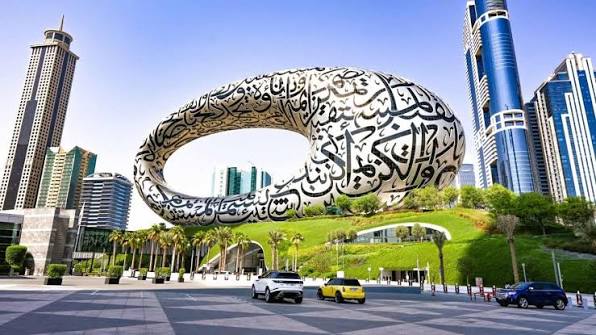
The UAE is moving toward joining a US-led and allied effort to reopen the Strait of Hormuz by force, in a notable strategic shift that could place it in a more forward position in the war. This comes after weeks of Iranian strikes that disrupted aviation, tourism, and real estate, and weakened the country’s image as a hub of stability in a volatile region.
According to the version published by The Wall Street Journal, Abu Dhabi is pressing for a UN Security Council resolution that would provide international cover for any potential operation, while Bahrain is advancing the draft resolution ahead of an expected vote on Thursday. Emirati diplomacy is also pushing for a broader coalition involving Western, Asian, and European powers to secure the reopening of the strait if a political solution fails.
Detail
The newspaper says the UAE has reviewed its capabilities for participating in efforts to secure the waterway, including assistance with mine-clearing and broader support functions. It has also floated the idea of US control over strategic islands in the passage, including Abu Musa, which Iran has controlled for decades and which the UAE claims as its own.
This path gains further importance because of the UAE’s geographic and military position, from its bases and Jebel Ali port to its direct proximity to the mouth of the strait, along with its aerial surveillance capabilities and stockpile of short-range US munitions. Some Gulf parties believe this positioning could make the UAE a useful platform for escorting tankers, supporting island operations, or striking Iranian targets on the opposite shore.
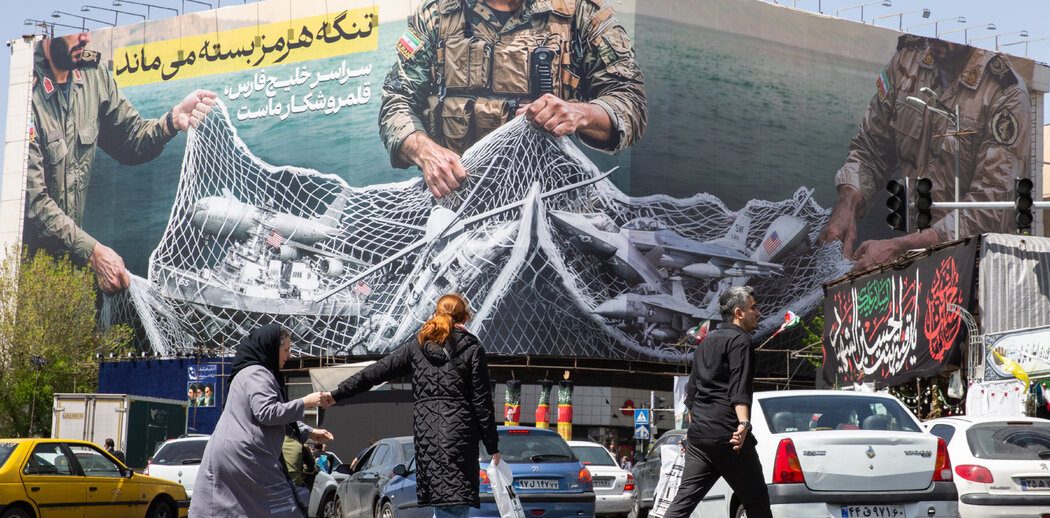
At the same time, the option carries heavy risks. The newspaper says Iran has stepped up its bombardment of the UAE in recent days after a less intense phase and has threatened to destroy vital civilian infrastructure in any Gulf state that supports operations targeting its territory. It also says Tehran has fired more missiles and drones at the UAE than at any other country, including Israel.
The newspaper also raises serious doubts about whether the strait can actually be reopened by military means. The issue is not only the waterway itself, but also the land stretching along both sides of it and the possibility of keeping it under constant threat from mines, drones, and suicide boats. In that context, US Congressman Adam Smith was quoted as saying he does not believe this can be resolved easily, because Iran needs only a single drone, a single mine, or one small suicide boat to keep the passage under threat.
What next?
The real test will unfold along three parallel tracks: whether a Security Council resolution passes, whether a multinational force is actually formed, and whether the UAE decides to move from political and logistical backing to overt military participation even if UN cover falls away.