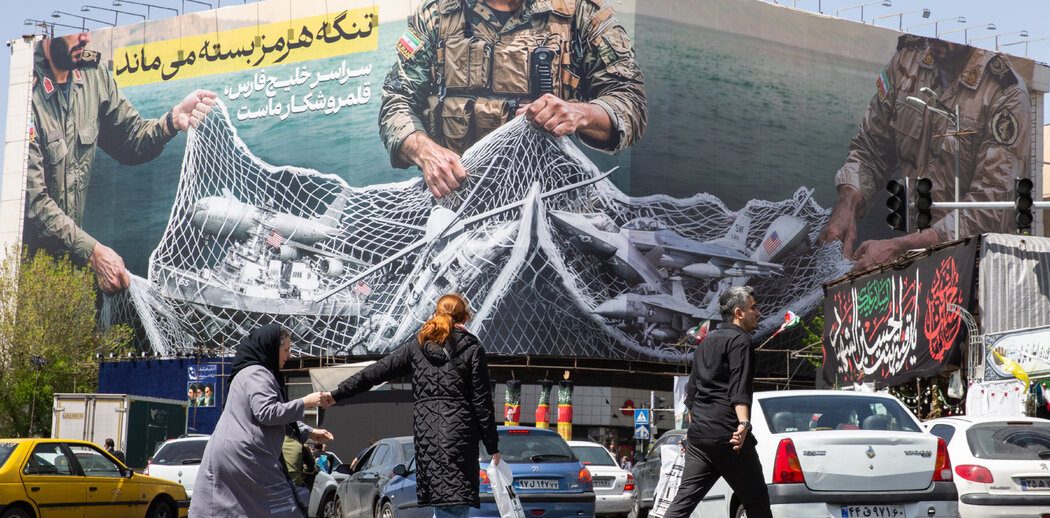
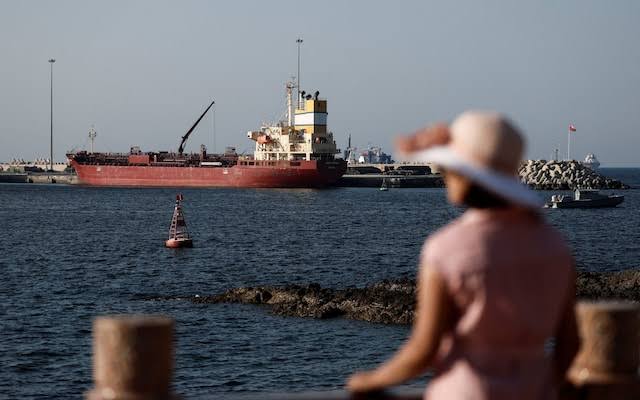
Global markets are facing their most dangerous energy disruption in decades, as traffic through the Strait of Hormuz slows sharply. The waterway carries around one fifth of the world’s oil and liquefied natural gas supplies. At the same time, U.S. policy circles are discussing options beyond air and naval strikes, including the possible use of Special Operations forces against sensitive Iranian nuclear sites, raising fears of a longer and more expensive war for the global economy.
Detail
1. Hormuz is turning from a trade route into a global choke point
• Tanker traffic has slowed dramatically, with more than 1,000 ships reportedly waiting to pass through the strait.
• Gulf producers have begun cutting or slowing output as storage fills up and exports lose their normal pace.
• U.S. crude has moved above 100 dollars a barrel, while Brent has surged sharply, reviving fears of a 1970s-style energy shock.
2. This is no longer only an oil shock
• Part of Qatar’s gas exports has slowed or stopped after war-related strikes, putting pressure on both European and Asian markets.
• Aluminium prices have risen, supply chains have come under strain, and fears are growing over helium shortages that could hit sensitive technology sectors.
• Fertiliser has also entered the risk zone, meaning the effects of the war could move from energy into food prices within a short period.
3. Asia and Europe are on the front line of the damage
• Major Asian economies remain heavily dependent on energy flows from the Gulf, leaving them exposed to price and shipping shocks.
• Europe is less fragile than in past crises, but it still faces fresh pressure on gas, energy costs, and inflation after a winter that drained storage.
• The United States is better insulated because of strong domestic production, but it is not immune to higher petrol prices, jet fuel costs, and borrowing costs.
4. Washington is looking beyond air strikes
• One of the options under discussion inside the U.S. administration is the use of Special Operations forces for missions inside Iran targeting key nuclear facilities.
• The concept would involve sending in elite units to seize, destroy, or remove sensitive nuclear materials and equipment rather than relying only on bombing from the air.
• The focus of such discussions has centred especially on sites such as Isfahan, with major unanswered questions around timing, operational conditions, and logistical risk.
5. Why this matters militarily and economically
• A shift from air and naval war to limited ground operations would push markets to price in a longer and more complex conflict.
• Any such escalation could lead Iran to intensify pressure on shipping lanes and energy infrastructure rather than scale back.
• That would mean the global economy is not facing a passing shock, but a broader crisis that deepens with each new step of escalation.
What next?
• The first question is whether the U.S. and its allies can reopen Hormuz quickly through naval protection or a reduction in the threat level.
• The second is whether U.S. options remain limited to stand-off strikes or move toward direct Special Operations missions inside Iran.
• The third is whether prices rise far enough to force major governments to push for a political off-ramp before the shock turns into a global downturn.
(Analysis)
What Iran is doing here is not just military retaliation. It is also a direct use of its geography at the centre of the global energy market. The logic is simple: if it cannot break its adversaries quickly on the battlefield, it can raise the economic cost on them, their allies, and the American voter. On the other side, any U.S. move toward Special Operations inside Iran may look more decisive militarily, but economically it sends the opposite signal to markets: the war is not nearing an end and may be entering a more dangerous phase. The real battle in the coming days is not only over sites and infrastructure, but also over market confidence and the White House’s ability to absorb the cost of a war that grows more expensive by the day.