News
The central problem on day one after the ceasefire announcement is not the absence of a paper, but the existence of multiple narratives about it. The White House said the latest Iranian proposal provides a workable basis for negotiations and differs from an earlier list that was completely rejected, while Tehran and its allies suggested that a broader framework had been agreed and then politically and publicly rolled back. That alone explains why the ceasefire appears formally in place and practically shaky at the same time.
What The New York Times adds here is important: the U.S. administration is not acting as if it has entered a comprehensive settlement, but as if it has moved into compressed negotiations under a two-week deadline, with a delegation led by JD Vance to Islamabad that includes Steve Witkoff and Jared Kushner. More importantly, the more realistic reading inside U.S. diplomatic circles is not a fast grand bargain, but a gradual move toward smaller understandings that temporarily sidestep the hardest files, especially enrichment and the stockpile of highly enriched uranium.
Details
• Lebanon is the gray zone in this agreement. Pakistan first presented the truce in language suggesting it covered wider fronts, and France publicly pushed for it to be respected in Lebanon as well, but Washington then clearly said Lebanon was not part of the Iran ceasefire. Axios then added a third layer: Israel offered to restrain itself somewhat in Lebanon during the negotiations, not because that was part of the agreement, but to help the talks succeed. This means Lebanon was not formally included, but not entirely excluded from the practical calculations either. It is outside the text, but inside the pressure equation.
• The second gap concerns Hormuz. Washington is demanding a full, immediate, safe reopening with no tolls, but Reuters reported that Iran is talking about militarily coordinated passage under tight conditions, while Associated Press reporting showed traffic remained limited and pointed to troubling signs, including a chart circulated by semi-official Iranian outlets suggesting that naval mines could be deployed in the strait during the war. The result is that Hormuz is no longer just a passage that must be reopened; it has become a card of sovereignty, leverage, and mutual coercion at the heart of the negotiations.
• The Washington Post adds another layer here: the argument is not only about freedom of navigation, but also about who secures the strait, who collects the price of passage, and who guarantees it does not become a political precedent. The paper reported on an Iranian idea to structure security in the strait with Oman and finance that through tolls, while Washington remains alert to preventing Tehran from becoming a permanent gatekeeper over a global energy artery. The immediate meaning is that Hormuz has not fully opened; it has become a revolving door through which negotiations enter and threats exit at the same time.
• The nuclear file itself looks no less complicated. The White House is reasserting the demand to end enrichment inside Iran, while Tehran insists on what it considers a sovereign right. In the background, The Washington Post reported that U.S. military options to seize highly enriched uranium remain on the table if the political track collapses, while diplomats and experts quoted by The New York Times say the current gap makes a comprehensive deal within two weeks extremely difficult. This means the document that was marketed as a final breakthrough is really just a new draft of dispute, or in practical terms, a paper quickly pushed out of circulation and into the political trash before it could harden.
• The Wall Street Journal adds another important dimension: concern inside the American camp itself. Even with a large part of Iran’s capabilities destroyed, Iran still retains buried launchers and small boats capable of threatening shipping in Hormuz, prompting some Trump allies and U.S. officials to fear that the language of total victory overstates reality. This is not just a messaging issue; it suggests the current ceasefire rests on incomplete deterrence, not on a final settlement.
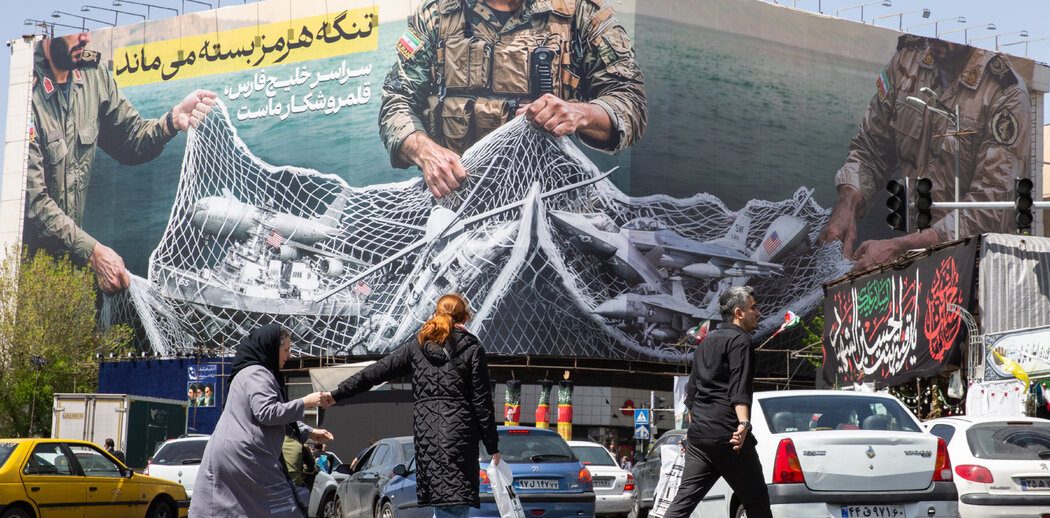
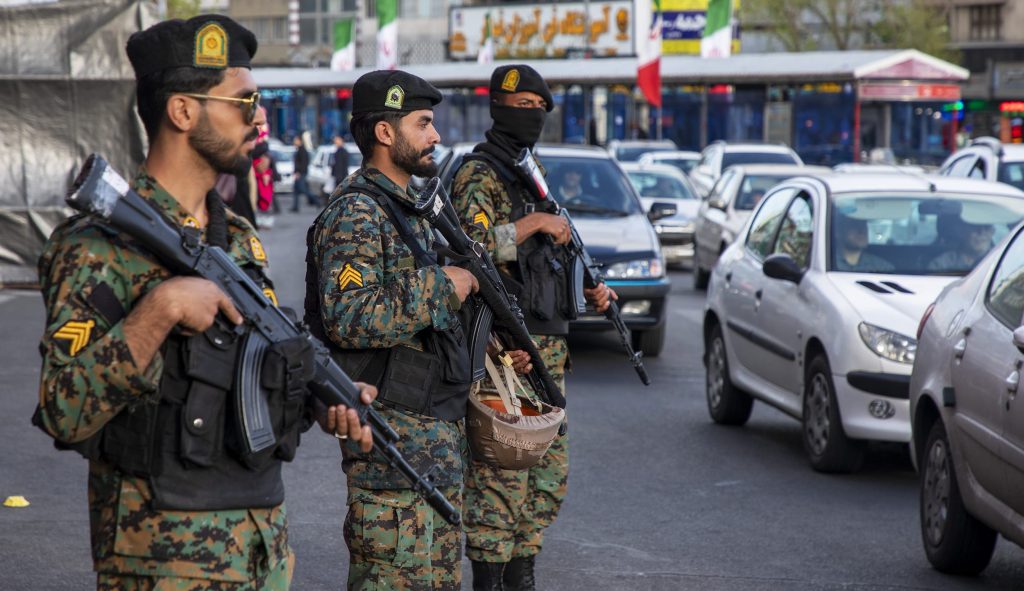
• Inside Iran, The Guardian adds what official statements do not show: no grand celebration and no broad sense of a clean victory. The scene in Tehran, based on accounts gathered by the paper, looks more like a mix of exhaustion, caution, and distrust of America, alongside an official attempt to market the ceasefire as a political gain after a devastating war. This matters because it helps explain why Tehran is raising its negotiating rhetoric even as it enters the talks: at home it needs hard language, and abroad it needs a ceasefire that does not look like surrender.
What next?
The real test is no longer whether there is a ceasefire, but which ceasefire exactly. If strikes in Lebanon continue, if Hormuz remains half open and half shut, or if Washington returns to a zero-enrichment position without a transitional formula, Islamabad could shift from a negotiation platform into a stage for mutual blame. But if both sides manage to lock in a limited understanding on Lebanon, freedom of navigation, and the handling of the uranium file, the ceasefire may hold as a temporary umbrella, and nothing more.