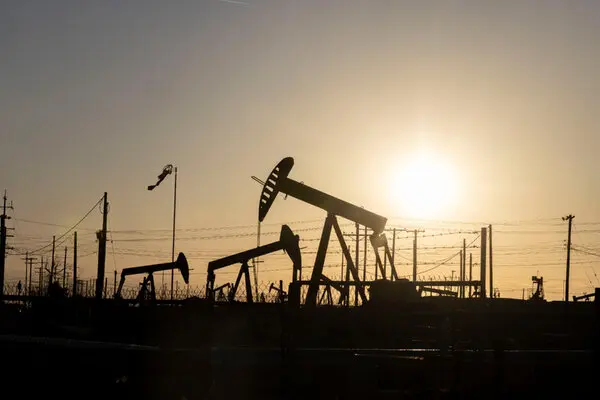
The war with Iran since February 2026 has reinforced the position of the U.S. economy in the global energy market, amid sharp supply disruptions and rising dependence on alternative sources. With the effective closure of the Strait of Hormuz, President Donald Trump has adopted an approach focused on reducing commitments to securing global oil flows, urging allies—particularly in Europe—to secure their own energy needs.
This shift has granted Washington greater influence in energy markets, as Europe and Asia face growing supply shortages.
Details
Key developments and impacts of the war on energy markets include:
• Closure of the Strait of Hormuz: Military escalation has disrupted a vital passage through which around 20% of global oil flows, triggering a major shock in markets.
• U.S. energy advantage: As a net exporter of oil and gas, the United States has avoided severe shortages and gained stronger bargaining power with affected countries.
• Shift in U.S. policy: Washington has moved from guaranteeing global energy flows to a more self-focused strategy that reduces military involvement.
• Domestic impact: Despite relative protection, U.S. fuel prices rose to around $4 per gallon by the end of March.
• Conflict context: U.S. and Israeli strikes targeted Iran’s oil infrastructure, while Tehran responded by hitting shipping routes and Gulf infrastructure, marking one of the largest supply disruptions by international estimates.
Historically, this marks a clear departure from the U.S. stance in 1990, when it pledged to prevent control on vital resources like oil, compared to the current focus on energy independence and reduced military protection of global supply lines.
What’s next?
Attention now turns to how markets will adapt to supply shortages, and whether importing countries can secure stable alternatives beyond the Gulf region.