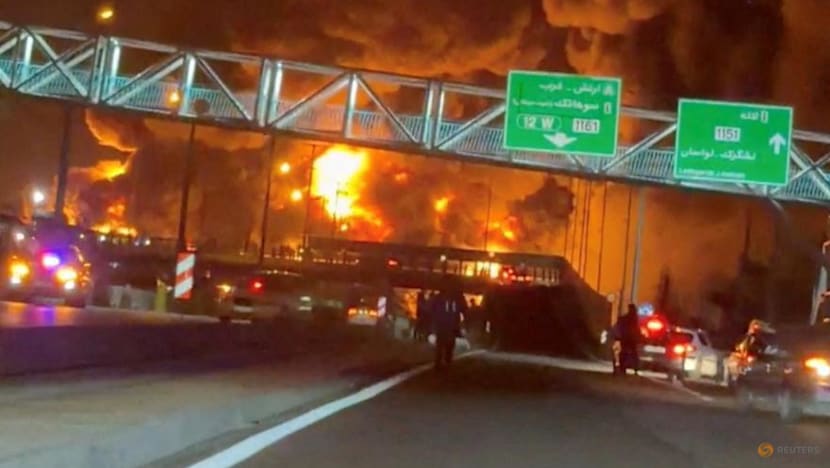
The war around Iran is no longer measured only by the number of missiles fired, the scale of the target bank, or the type of targets being struck. More than a week after the first strikes began on February 28, 2026, the confrontation is now moving along three parallel tracks: air-defence stockpiles, energy flows through the Strait of Hormuz, and each side’s political ability to absorb the domestic cost of staying in the fight. This shift does not necessarily suggest that the war is approaching its end, but it does mean that the question of endurance now matters more than the question of the next strike.
Detail
1) Stockpile pressure is beginning to show in Washington
According to reports published by Reuters this week, the war has pushed the U.S. administration to examine ways to speed up production of interceptor munitions after unconfirmed reports of declining stockpiles. Reuters also said that increasing PAC-3 missile production to 2,000 per year would come too late to address any shortage during this year. This does not mean an immediate and confirmed depletion is at hand, but it does mean that attrition is no longer theoretical.
2) Iran is trying to shift the cost onto its opponents
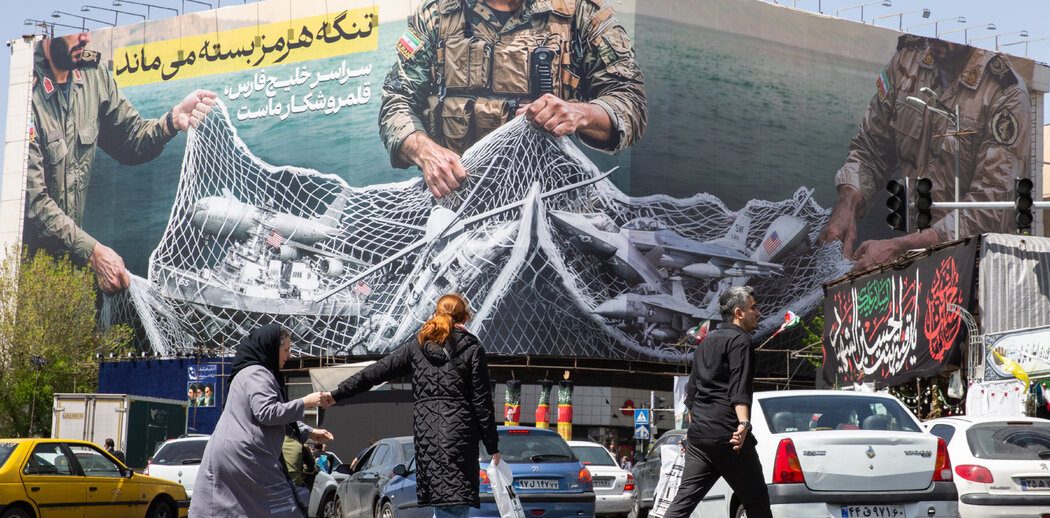
At the same time, assessments by the Institute for the Study of War and the Critical Threats Project suggest that the destruction of Iranian launch platforms reduces the risk of interceptor shortages for the United States and Israel, because reducing launch capacity lowers the need for interception in the first place. But this does not remove another problem: Tehran’s use of lower-cost and more disruptive tools to impose prolonged attrition on its opponents, especially at sea and across energy and shipping routes.
3) The Strait of Hormuz is the economic centre of gravity
The U.S. Energy Information Administration said flows through the strait reached around 20 million barrels per day in 2024, equal to roughly 20% of global oil consumption. The International Energy Agency said that about 20 million barrels per day also passed through it in 2025, along with roughly a quarter of global seaborne oil trade. For that reason, the market does not need a full closure of the strait to become nervous; sustained disruption or pressure on shipping and insurance would be enough to push costs higher very quickly.
4) The market is saying the war is no longer local
Reuters reported this week that analysts expect prices to remain elevated as markets focus on the risk of supply disruption through Hormuz, and that JPMorgan believes continued pressure on the strait for three to four weeks could push Brent crude above $100 a barrel. Reuters also said the war could leave consumers and businesses around the world facing weeks or months of higher fuel prices even if the fighting ends quickly, because of damage, logistics, and risk premiums.
5) The White House is facing another war at home
Politically, the U.S. environment does not look comfortable for a long war. A Reuters/Ipsos poll conducted between February 28 and March 1 showed that only 27% of Americans supported the strikes, while 43% opposed them. Another Reuters report published today showed that even Trump supporters draw a red line at sending ground forces or sliding into a prolonged occupation. At the same time, Trump has publicly played down the importance of rising gasoline prices, but the market remains more sensitive than political rhetoric when the effects of war begin to hit the American consumer directly.
6) Iran is under double pressure from within
Inside Iran, the economic crisis was already in place before the war, and the strikes have only deepened its fragility. Several reports said in January that the rial fell to a record low of 1.5 million to the dollar after protests driven by the cost-of-living crisis. In December, Reuters had already reported that protests linked to rising living costs had spread to universities and markets. This alone is not enough to say the system is on the verge of internal collapse, but it is enough to say that the war is hitting a country that entered it already weighed down by social and monetary imbalances.
7) Why does a cold truce look more realistic than full resolution?
So far, the open facts do not support a narrative of clean and rapid victory for either side. On March 3, the International Monetary Fund said it was monitoring disruptions to trade, economic activity, energy prices, and market volatility, but also noted that it was still too early to judge the final impact on growth. At the same time, China announced that it was sending a special envoy to the Middle East for mediation, after calling since March 1 for an immediate ceasefire and the resumption of talks. This does not mean a settlement is automatically near, but it does suggest that major powers are beginning to act on the basis that the cost of expansion may become higher than the gains of escalation.
What next?
The next few weeks are likely to shape the direction of the war more than the past few days did. If Hormuz flows remain under pressure, defence stockpiles continue to erode, and fuel costs rise for the American voter, then an incomplete ceasefire will become more attractive than widening the war. But if Washington and Tel Aviv succeed in lowering the pace of Iranian launches without triggering a major market shock, the fighting may continue in the form of controlled attrition, with neither peace nor decisive resolution.
(Analysis)
The central problem here is structural. Iran does not need to impose total victory in order to unsettle its opponents; it only needs to make protecting the skies and the sea more expensive than the cost of the disruption it creates. By the same logic, the United States does not need occupation or ground expansion to pressure Tehran; it only needs to keep Iran’s military and economic structure under sustained attrition. That is why the war, at its current stage, looks less like a battle for decisive final victory and more like a contest of reciprocal cost. If that logic holds, the key question may not be who wins first, but who tires first.
Sources:
Reuters; ; U.S. Energy Information Administration; International Energy Agency; ; ; Critical Threats Project.