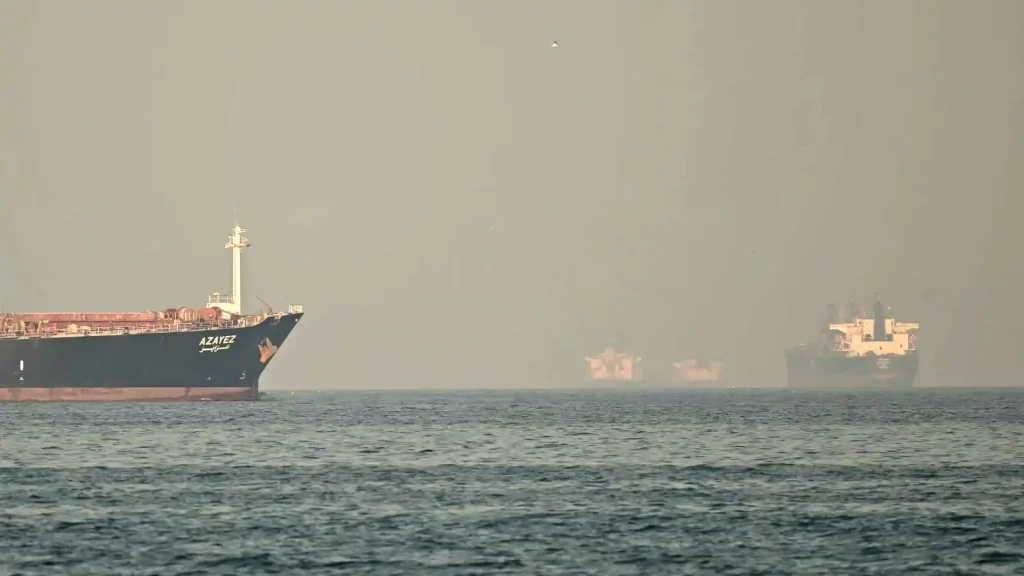
European countries have failed to agree on a clear plan to reopen the Strait of Hormuz, despite mounting pressure to end the impact of the war with Iran on global shipping. Several proposals were discussed during a meeting of officials from around 40 countries, including the creation of a humanitarian corridor for essential goods, but none gained consensus or moved into implementation.
Europe is also facing U.S. pressure to deploy naval forces immediately, but has so far refused direct military intervention, preferring to delay decisions until after the war ends, amid internal differences and difficulty in reaching consensus among the concerned countries.
Details
Discussions revolve around four main tracks, each with significant challenges:
• Naval escorts: France has proposed deploying naval vessels to escort ships, but costs are high and defense systems may not be sufficient to counter threats like drone attacks.
• Mine clearance: Some European countries are ready to send minesweepers, despite military doubts about whether the strait has actually been mined.
• Air protection: This option includes deploying fighter jets and drones to intercept attacks. It is expensive and does not guarantee stopping even small-scale strikes that could disrupt shipping.
• Combined military and diplomatic approach: Relies on political and economic pressure on Iran alongside military measures. It is seen as the most viable option so far, despite limited effectiveness.
Meanwhile, estimates suggest Iran may continue controlling traffic through the strait and impose transit fees, in violation of international law, keeping the waterway under sustained pressure.
Economically, disrupted shipping raises the risk of supply shortages and higher energy and fertilizer prices, increasing the likelihood of global stagflation.
What’s next?
Attention is turning to upcoming European military meetings to determine next steps, as diplomacy is tested in preventing further escalation in the strait.