Dr. Harith Hassan
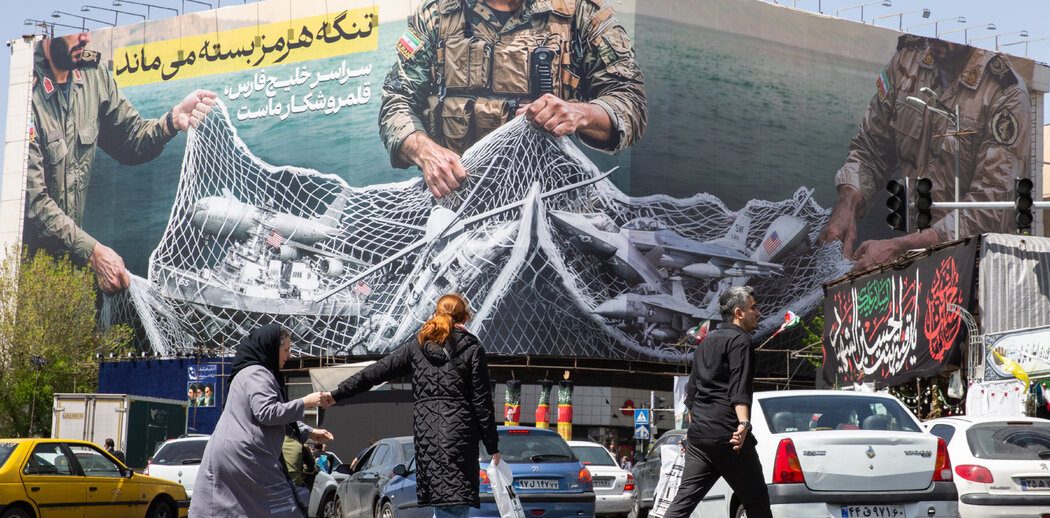
In one possible scenario, Iran steps back, maintains that it never intended to close the strait in the first place, and halts its attacks on vessels.
Trump, in turn, declares that he forced Iran to keep the Strait of Hormuz open, presents this as yet another service to the world, and adds it to what he portrays as a success in degrading Iran’s nuclear, missile, and maritime capabilities. He then declares victory and stops military operations.
Iran, for its part, can also say that it did not back down. As its foreign minister has argued, Tehran did not close Hormuz to begin with.
The regime remains in power and may calculate that it has secured its survival by demonstrating to its adversaries the costs it is still capable of imposing. In that sense, both sides could claim victory, however performative that may be rather than a genuine strategic outcome.
This is a crucial moment. It will test not only whether Trump can define a coherent endgame and stick to it, but also whether the Iranian leadership is still capable of making and implementing major political decisions under pressure.
The current escalatory moment is extremely dangerous. Yet it may also be the last chance to avoid a zero-sum outcome in which everyone loses. Let us hope reason prevails.