The war in the Middle East has exposed the fragility of global energy markets, but it has also highlighted China’s prior preparation for such a scenario. Despite being the world’s largest oil importer, Beijing has managed to absorb the shock better than many other countries, thanks to long-term policies focused on industrial security and reducing external dependence.
This approach pushed China to expand its oil reserves, scale up renewable energy, and develop industrial alternatives based on coal and domestic technology—giving it greater flexibility amid disruptions in supplies through the Strait of Hormuz.
Details
For years, China has been reshaping its energy and industrial system through several parallel tracks:
• Building massive oil stockpiles as part of a growing strategic reserve
• Accelerating the shift to electric vehicles, reducing demand for gasoline and diesel
• Using coal to produce key chemicals instead of oil
• Supporting domestic industries to control global supply chains.
This transformation accelerated during the first term of U.S. President Donald Trump, when trade and technology tensions with Beijing intensified, prompting China to double down on self-sufficiency.
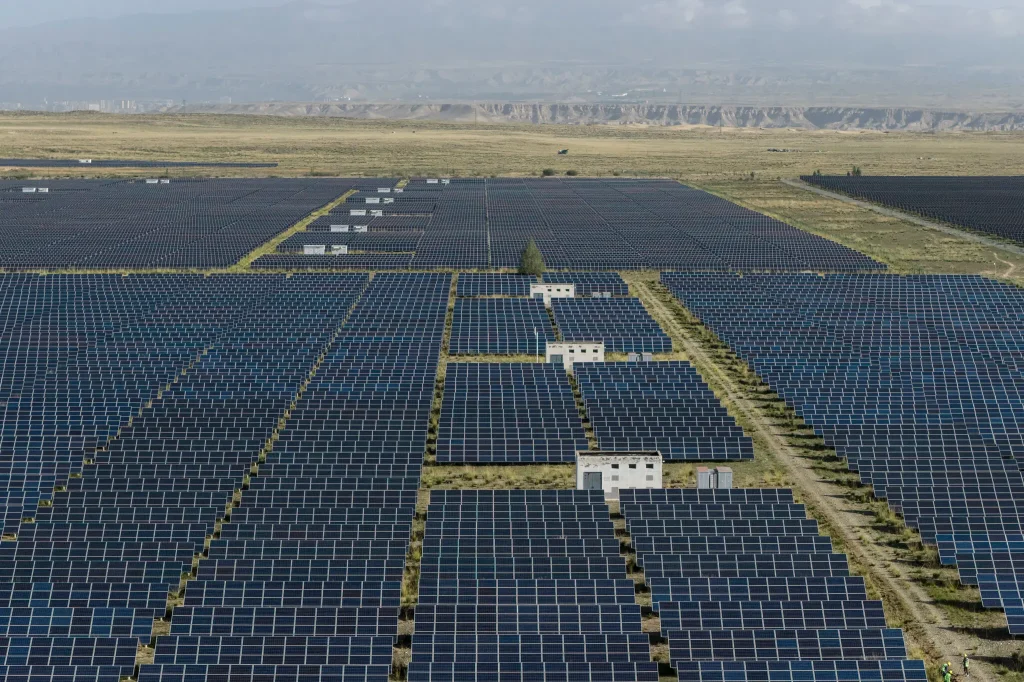
The government also invested hundreds of billions in renewable energy, alongside boosting domestic petrochemical industries. As a result, demand for refined fuels has declined for two consecutive years, with forecasts suggesting China’s oil consumption may have peaked.
Meanwhile, coal use in the chemical sector has expanded significantly, surpassing total U.S. coal consumption for similar purposes. This strategy has provided a practical alternative as global oil and gas prices surged.
With energy supplies disrupted across Asia, countries such as Vietnam and the Philippines have turned to China for support—signaling Beijing’s shift from a major energy consumer to a key player in regional energy security.
What’s next?
Attention is now on whether China can sustain this balance if the crisis drags on, and whether it will translate its industrial strength into broader political influence across Asia.