Key Points
- US Central Command warned the administration that an extended Iran deployment erodes military readiness, the Financial Times reported.
- Qatar is pushing to revive nuclear talks while Israeli officials press Trump to resume strikes before year-end.
- Trump says he will not decide his next move in the Iran war until January.
The latest:
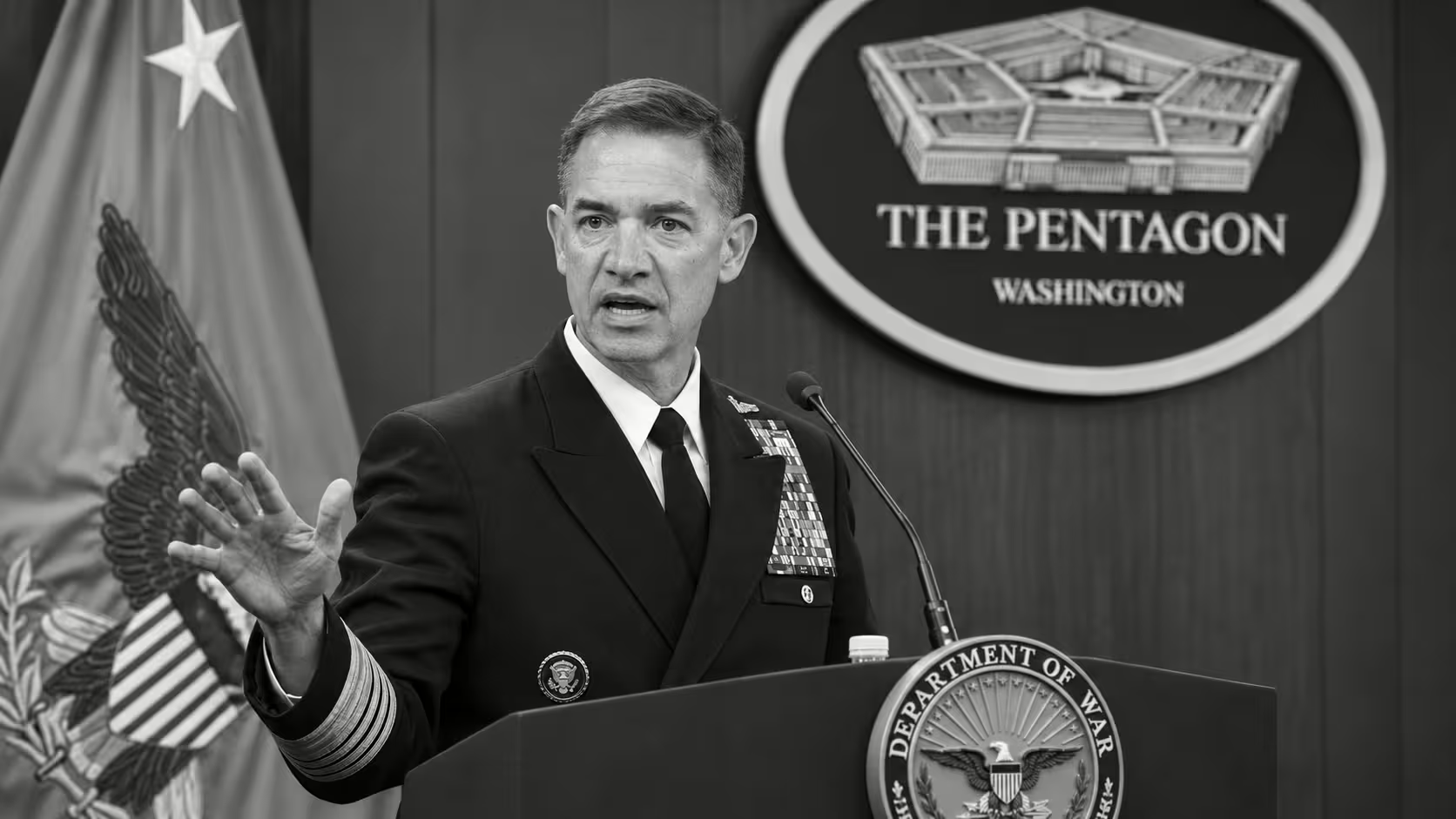
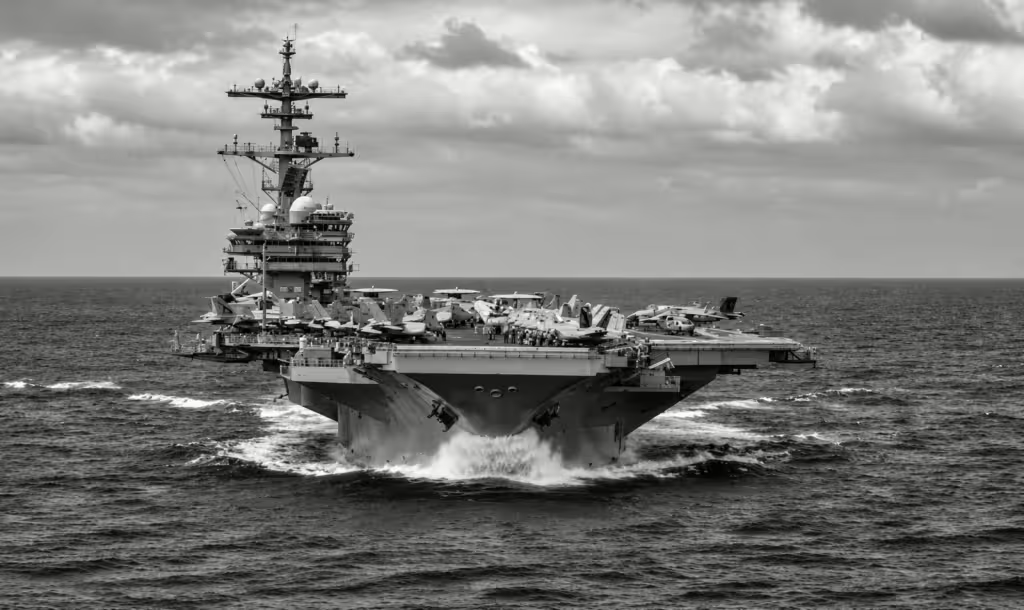
American military planners have warned the Trump administration that keeping the Middle East buildup in place into next year risks degrading the force, the Financial Times reported, citing three people including US officials. The warning lands as the deployment approaches a full year and as Trump says he will not settle his next move until after January 1.
Details:
- The warning: Central Command told administration officials that sustained deployments and a reinforced regional presence could cut into readiness, particularly if the stalemate drags into 2027, according to three people briefed on the matter cited by the Financial Times.
- The phrasing: One person briefed on the discussions said Central Command cautioned that US forces are “running out of time, money and readiness,” warning the strain could limit Washington’s ability to respond to threats elsewhere as the buildup nears a full year.
- The denial: A US military official rejected that characterization, saying Central Command had not told the administration that time was running out for American forces, nor that they faced attrition risk if strikes were not resumed before the new year.
- Congress factor: Planners are also weighing the incoming Democratic-controlled Congress, which the sources said may seek to trim defense spending and tighten oversight of overseas operations, with the Iran war singled out because it lacks public support.
- The mediation: Qatar, the principal channel between Washington and Tehran, has spent weeks pursuing a deal that would restore the ceasefire, revive nuclear negotiations and head off a return to fighting. US envoys Steve Witkoff and Jared Kushner met senior Qatari officials in Berlin on Thursday.
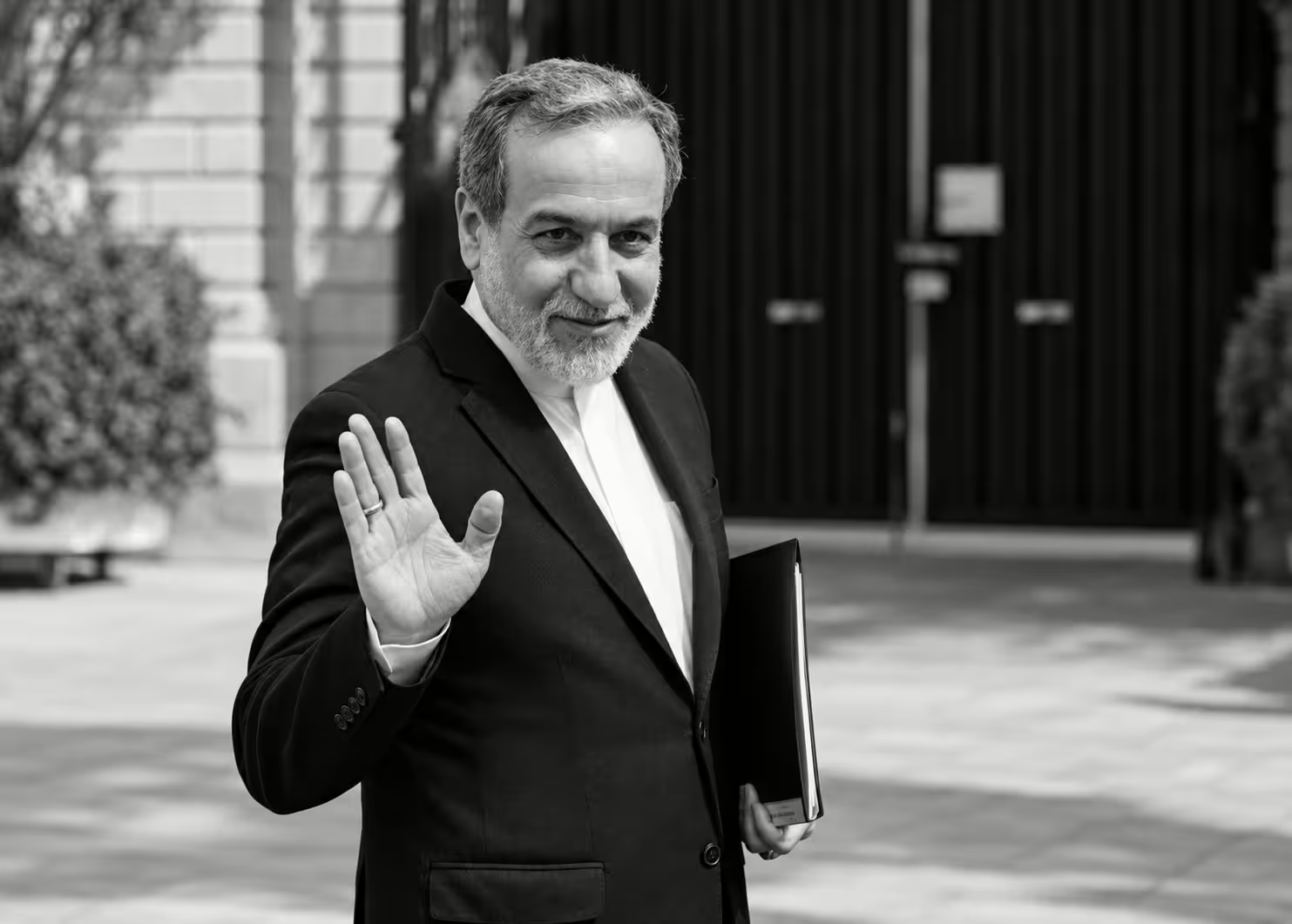
- Tehran’s position: Foreign Minister Abbas Araghchi told the official Iran newspaper that Tehran still hopes diplomacy can end the war, that messages continue to pass through mediators, and that Iran wants guarantees Washington is serious. He said confidence-building measures were discussed.
- Israeli pressure: Two sources told the Financial Times that Israeli officials keep pressing Trump to resume strikes before year-end, arguing the window is narrowing. Another person briefed on the talks said some US officials are also urging the president to finish the military mission.
- Trump’s stance: Trump told Axios on Thursday he is in no rush, saying he would see what happens after the start of the year. A US official said economic pressure is damaging Iran enough that large-scale combat operations are unnecessary, while keeping all options available.
- Netanyahu’s claim: Netanyahu, heading a caretaker government after last month’s election produced a Knesset without a majority, claimed Iran is seeking to rebuild its nuclear program and said Israel’s fate is at stake, without presenting evidence, the Financial Times reported.
Background:
Trump rejected Israeli pressure last month for large-scale operations, including proposals to hit Iranian energy and civilian infrastructure, ahead of the US midterms. Republicans suffered historic losses in that vote, with the unpopularity of the Iran war among the contributing factors.
Between the lines:
Two clocks now run against each other. The military one, as described to the Financial Times, argues that waiting costs readiness and money; the political one argues that acting costs votes, after an election in which the war hurt Republicans. Trump’s answer so far has been to defer the choice, which satisfies neither the planners nor the Israeli officials pushing for strikes.
What’s next
Watch for Trump’s promised decision after January 1, any follow-up to the Berlin channel between Witkoff, Kushner and Qatari officials, and whether the new Congress moves on defense spending or war-powers oversight.