Key Points
- Foreign Minister Araghchi said Tehran still hopes diplomacy can end its war with Washington.
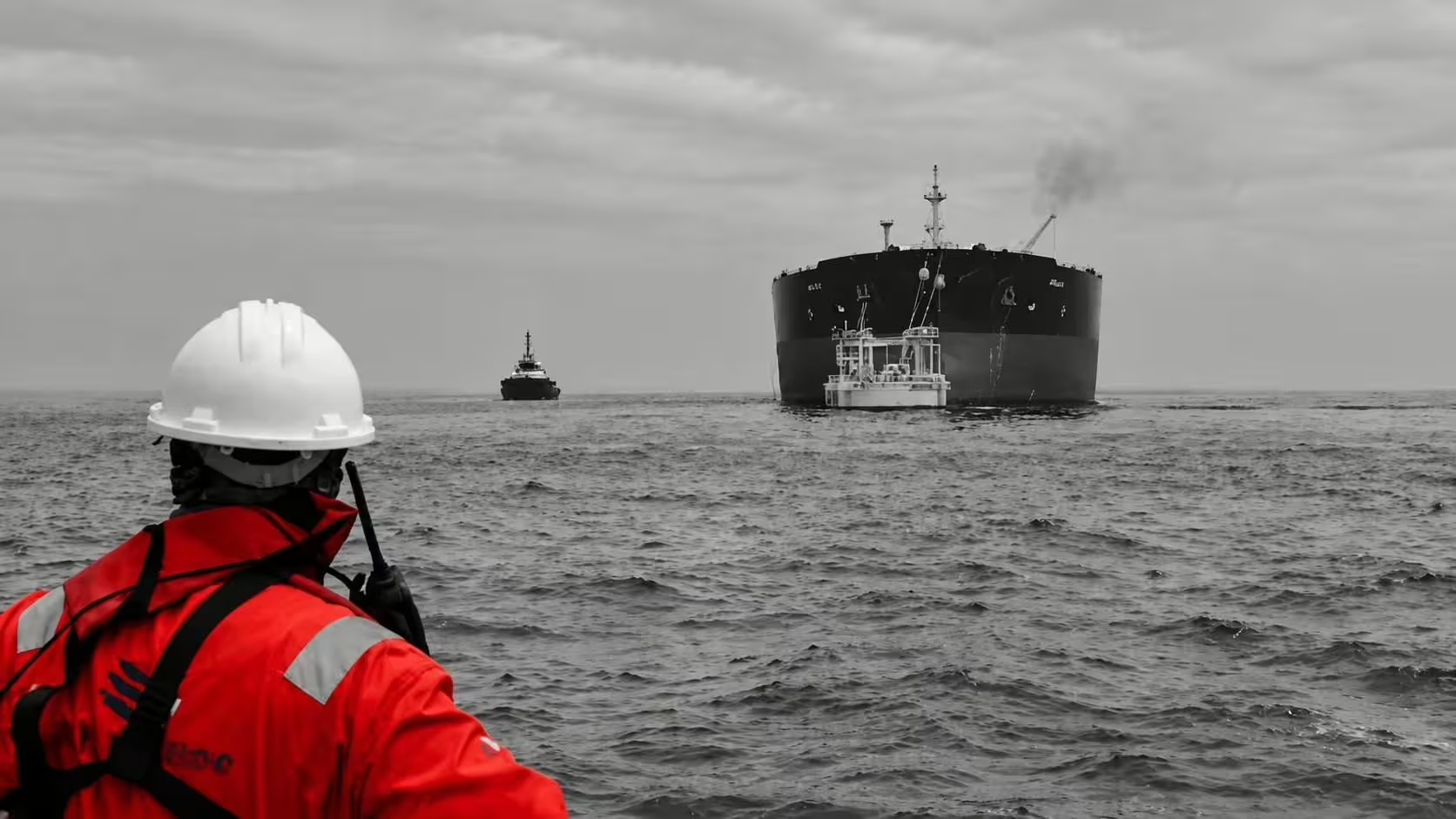
- A lawmaker urged Iran to ready oil tankers and confront the US naval blockade.
- The split exposes competing tracks inside Tehran: mediated messaging versus forced escalation at sea.
The latest:
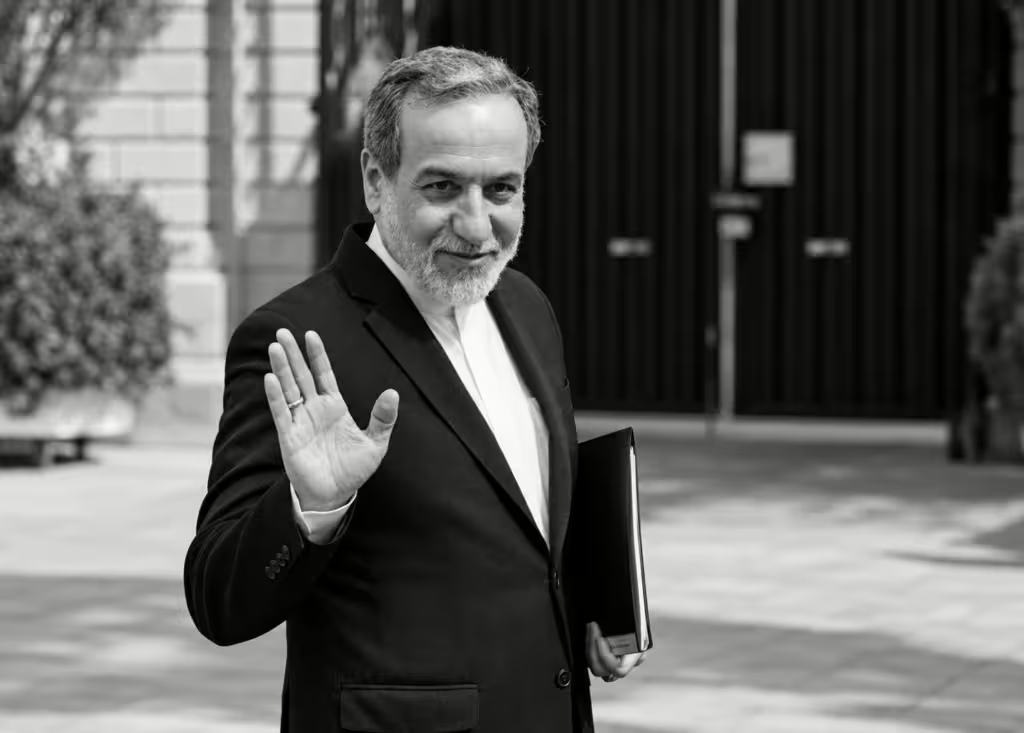
Tehran is still betting on diplomacy to end its war with the United States, Foreign Minister Abbas Araghchi told Iran newspaper, saying messages continue to pass between the two sides through mediators. He said Iran is pursuing an accord that would rule out any further war. On the same day, a member of parliament pressed for the opposite course: readying oil tankers and confronting Washington to break its naval blockade.
Details:
- The diplomatic line: Araghchi said exchanges of messages between Tehran and Washington via mediators are continuing, according to Iran newspaper. He framed the objective as an agreement that would ensure there was no further war, rather than a narrower or interim understanding, and said he believed a fair solution remained reachable.
- The red line: Araghchi said Tehran’s red lines in any negotiation include enriched uranium not leaving Iranian territory. He did not set out what volumes or enrichment levels that covers, nor whether any alternative arrangement for the stockpile had been put to the mediators.
- The precondition: Before going further, Iran wants guarantees that the United States is serious about negotiating, Araghchi said. He added that Tehran had already discussed the form and nature of confidence-building measures with mediators, without naming the mediating parties or the measures under discussion.
- The hardline call: Mohammad Bayat, a member of parliament’s Internal Affairs and Councils Committee, told the parliamentary news agency ICANA that Iran should prepare its oil tankers and adopt an aggressive stance toward the United States and regional countries to break Washington’s blockade and end the current stalemate.
- Abandon defence: Bayat said Tehran should abandon its defensive posture and seize the initiative through concrete measures to overcome the blockade, in remarks made Friday. He did not specify which measures he had in mind, nor whether any had been put before the government or the armed forces.
- Ultimatums urged: The lawmaker called for issuing ultimatums to Washington and to regional governments, arguing Iran needs a more forceful approach to break the blockade and end what he described as a prolonged military standoff. He did not name the regional governments he had in mind.
- The blockade: Both men spoke against the backdrop of a US naval blockade that Bayat said has produced a stalemate. Neither set out when the blockade began, how much Iranian crude it has halted, or which shipping routes are affected.
- Two tracks, one week: Araghchi’s comments to Iran newspaper and Bayat’s to ICANA surfaced within the same news cycle, placing a sitting foreign minister’s case for mediated talks alongside a parliamentarian’s case for maritime confrontation. Bayat’s committee covers internal affairs and councils, not foreign policy or defence.
Background:
Araghchi addressed a special session of the Conference on Disarmament at the United Nations in Geneva on 17 February 2026, according to Reuters, which photographed the appearance.
Between the lines:
Araghchi’s insistence on guarantees of US seriousness, and his disclosure that confidence-building measures are already under discussion with mediators, suggests the diplomatic track is live but unconsummated. Bayat’s demand for ultimatums and tanker action is an assessment from a lawmaker outside the foreign policy and defence committees, and carries no executive authority — but it marks the pressure the negotiating track faces at home.
What’s next
Watch for any Iranian move on tanker deployments, for mediators to name confidence-building measures, and for Tehran to signal whether Washington has delivered the guarantees Araghchi says he requires.