Key Points
- Iraqi forces deployed into Jurf al-Sakhar Friday under a deal pulling Kataib Hezbollah fighters out
- Officials accuse the group of running an oil-smuggling network draining hundreds of millions of dollars
- The arrangement tests Baghdad's ability to assert state authority without fighting Iran's strongest Iraqi ally
The latest:
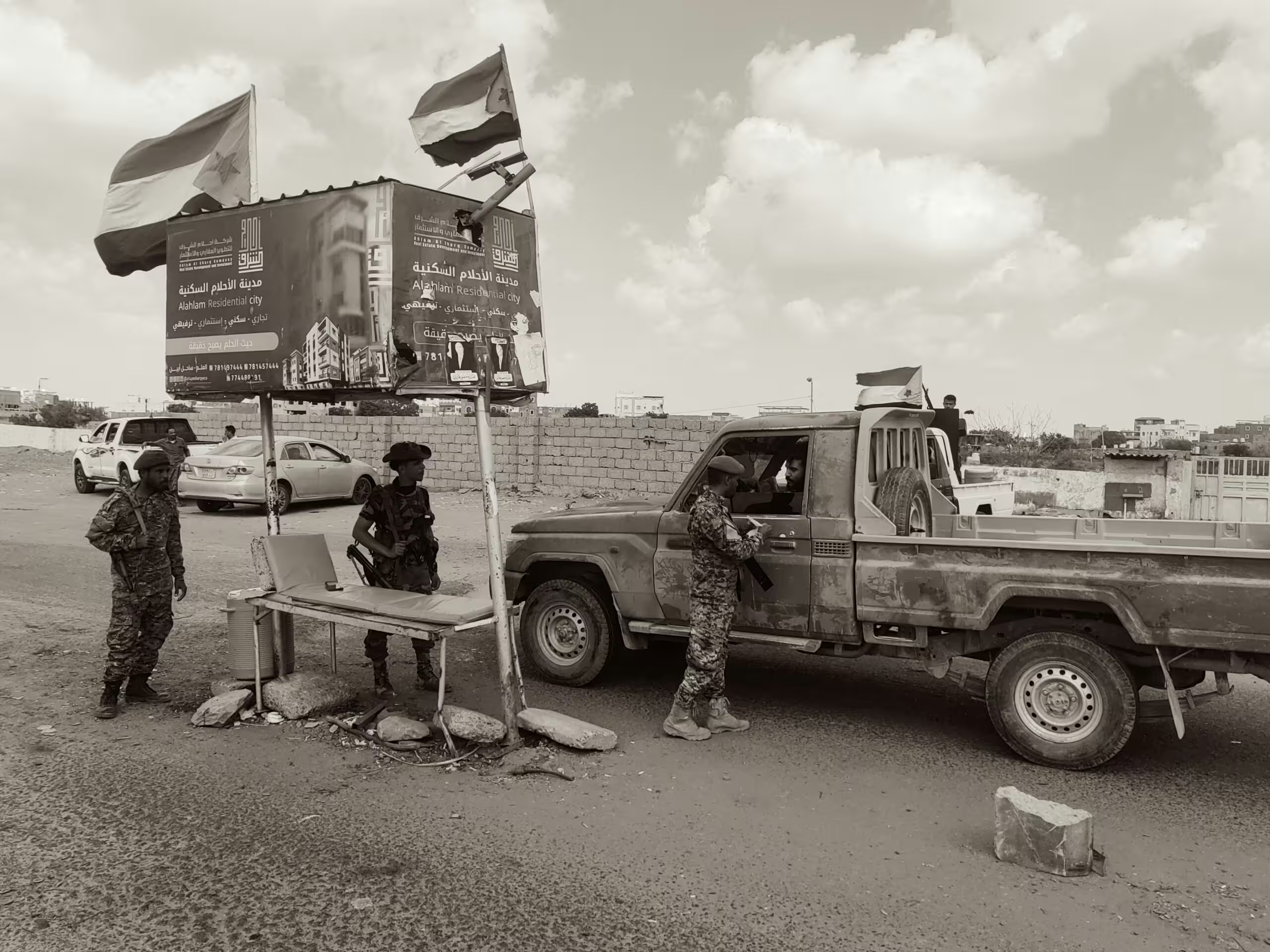
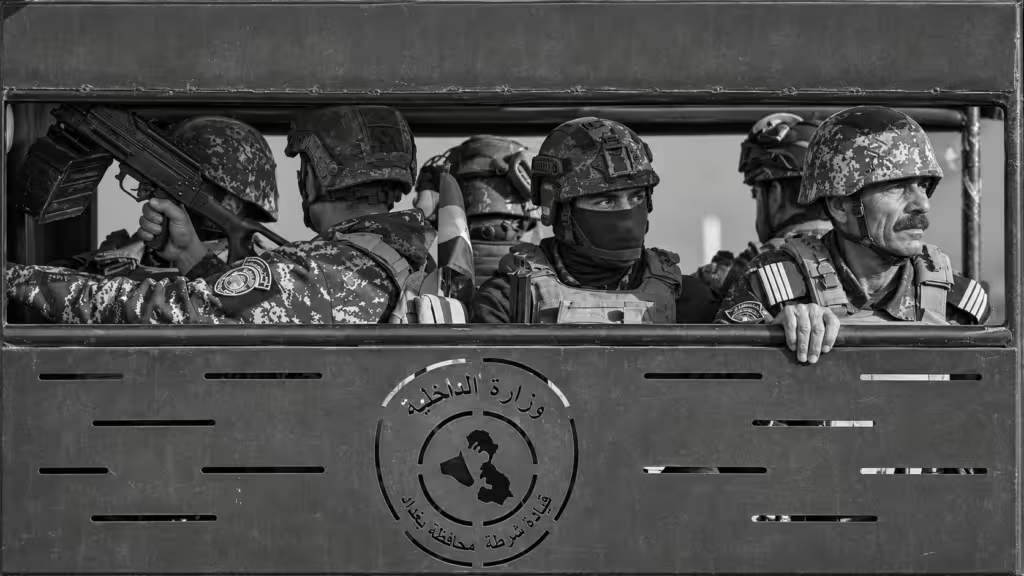
Military convoys flying the Iraqi flag rolled into Jurf al-Sakhar in Babil province on Friday, with soldiers spreading through the town center under an arrangement designed to shrink Kataib Hezbollah’s grip there without a clash. Prime Minister Ali al-Zaidi, addressing the troops from an operations center in Baghdad, said the state was beginning in Jurf al-Sakhar to impose its authority and confront weapons outside its framework, Reuters reported.
Details:
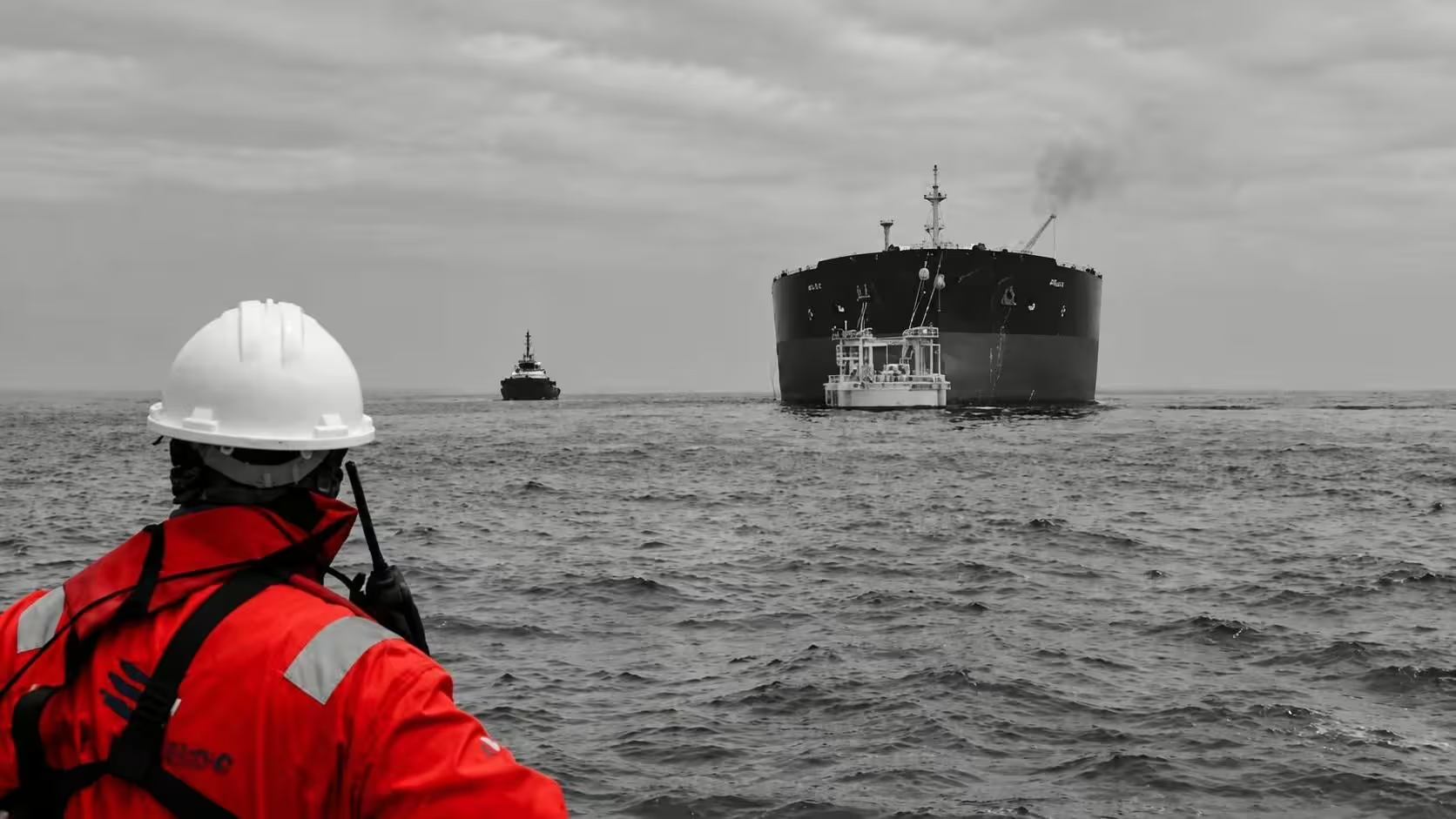
- The accusation: Iraqi officials have accused Kataib Hezbollah of running an oil-smuggling network in Jurf al-Sakhar that siphons off state-owned crude worth hundreds of millions of dollars. The group denied the accusations. The investigations produced arrests that raised fears of an armed response.
- How the deal works: Under an arrangement brokered by Shia politicians, Kataib Hezbollah personnel are expected to withdraw to other areas of Iraq, according to Reuters. A security headquarters opens in Jurf al-Sakhar on Saturday to supervise the handover. Nine senior security and oil officials have been removed so far over the investigation.
- Iran’s role: Iraqi Shia political figures said Esmail Qaani, commander of the Quds Force in Iran’s Revolutionary Guard, arrived in Baghdad on Monday to help defuse tensions with Kataib Hezbollah ahead of the deployment into the town, roughly 50 kilometers south of Baghdad.
- Zaidi’s framing: Zaidi told the troops the decision was final: “No weapons outside the authority of the state, and no weapon but Iraq’s weapon.” Sabah al-Numan, spokesman for the commander-in-chief, said the armed forces were proving to be the country’s shield and safety valve.
- The risks: Sources said any direct confrontation with Iran’s armed allies carries serious danger. After a similar campaign ordered by one of Zaidi’s predecessors five years ago, the prime minister’s Baghdad residence was struck by a drone that authorities called an assassination attempt.
- US pressure: President Donald Trump has pressed Zaidi to disarm factions that attacked American forces and facilities in Saudi Arabia and the United Arab Emirates in solidarity with Tehran, following the start of US-Israeli strikes on Iran in February.
- The group’s capabilities: Iraqi security officials said faction arsenals include guided anti-armor missiles, precision rockets, armed drones and short-range ballistic and cruise capabilities. Kataib Hezbollah also runs a political party, Huqooq, which holds five parliamentary seats.
- The money: An official Iraqi report said the group generates funds through activities spanning construction, housing, trade, tourism and currency exchange. Kataib Hezbollah denied this, saying it is an entity dedicated to security work.
- Outside reading: Victoria Taylor, director of the Iraq Initiative at the Atlantic Council and a former State Department official, assessed that a voluntary withdrawal from Jurf al-Sakhar represents a modest win for the prime minister, but one the Iranians made possible.
Background:
Kataib Hezbollah was founded after the 2003 US invasion of Iraq and designated a terrorist group by Washington. It forms several brigades inside the Popular Mobilization Forces, created in 2014 to fight Islamic State and later recognized as an official security force whose fighters draw state salaries.
Between the lines:
Qaani’s arrival in Baghdad days before the deployment indicates the arrangement traveled through an Iranian channel rather than pure government enforcement, which is how Taylor reads the limited nature of Zaidi’s win. With the group still inside the Popular Mobilization Forces, on state payroll and holding five seats in parliament, withdrawing from one town falls well short of the disarmament Washington demands.
What’s next
The security headquarters opens in Jurf al-Sakhar on Saturday to oversee the handover. Watch how many fighters withdraw and when, and whether energy police take over protection of the town’s oil pipeline.