Key Points
- Iranian advisers are guarding Kataib Hezbollah drone and missile assets inside Jurf al-Sakhar, an Iraqi military source said.
- Government forces entered the district on November 20 but remain blocked from its most sensitive installations.
- The gap between announced state control and actual military control leaves al-Zaidi's authority test unresolved.
The latest:
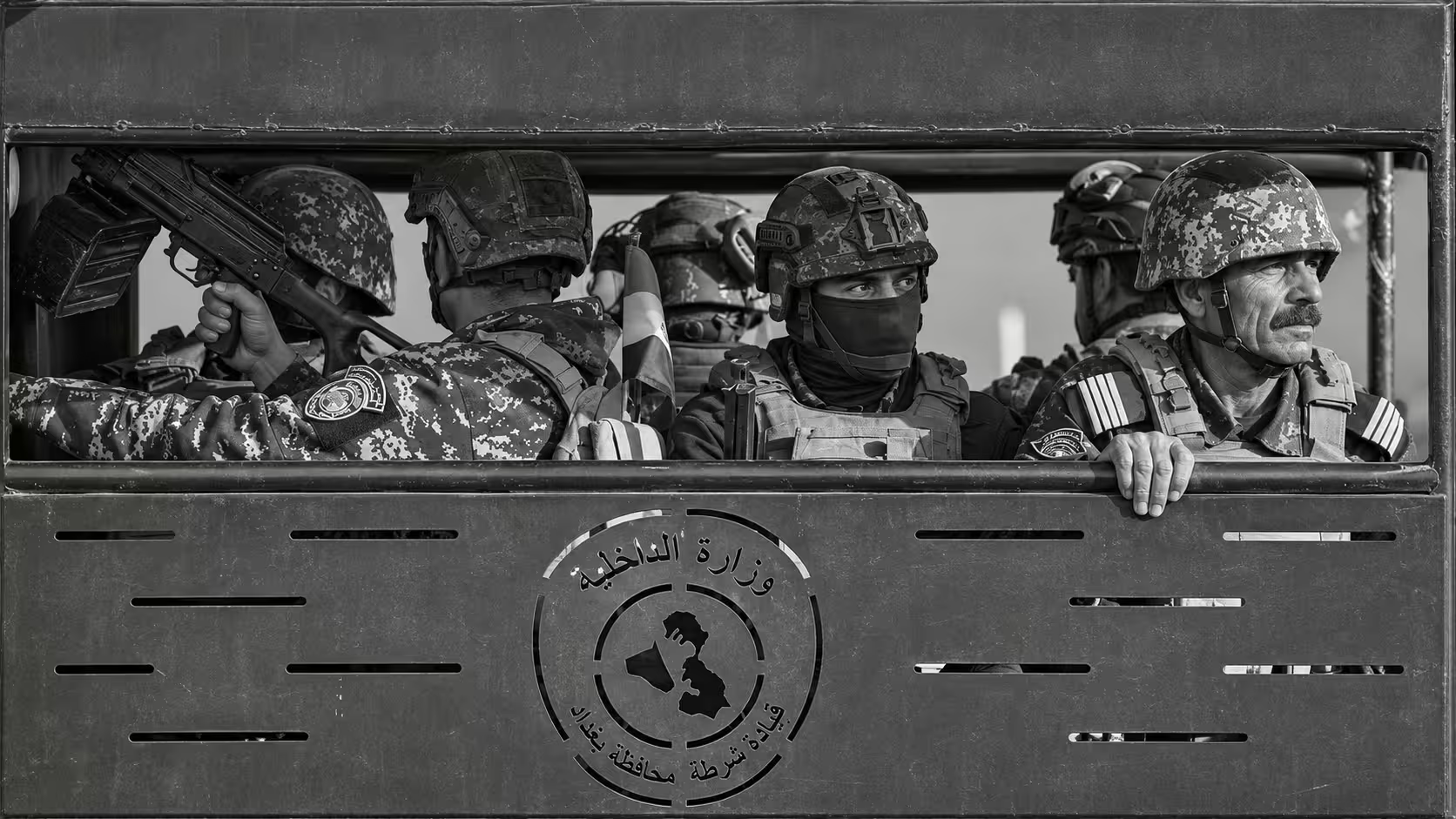
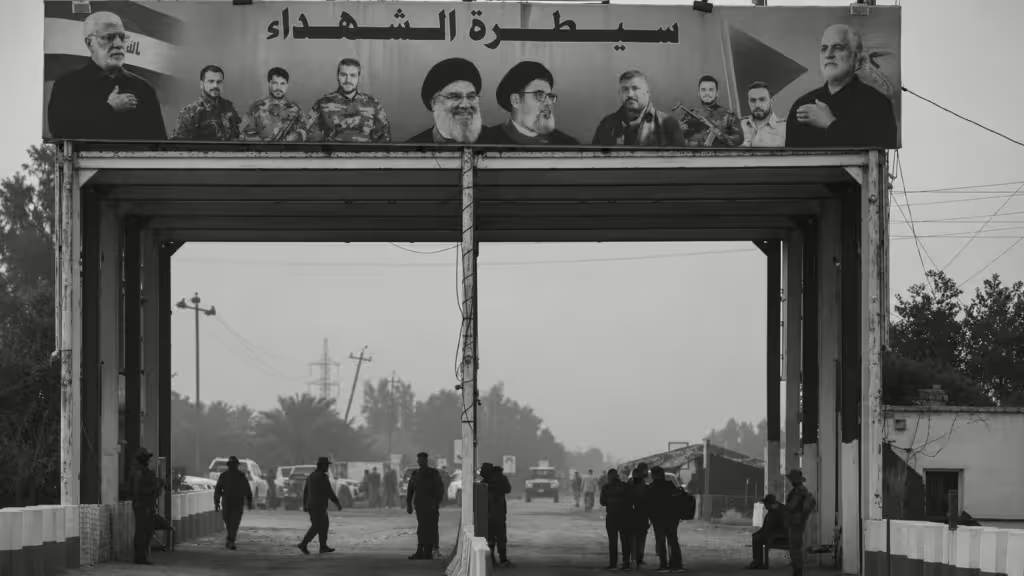
Sensitive zones inside Jurf al-Sakhar remain off-limits to Iraqi government forces days after their deployment, an Iraqi military source inside the district told ontime+. The source said Islamic Revolutionary Guard Corps advisers are working with Kataib Hezbollah commanders to relocate and protect drone manufacturing sites, missile storage and detention facilities. Prime Minister Ali al-Zaidi ordered the new joint command headquarters meant to control the area.
Details:
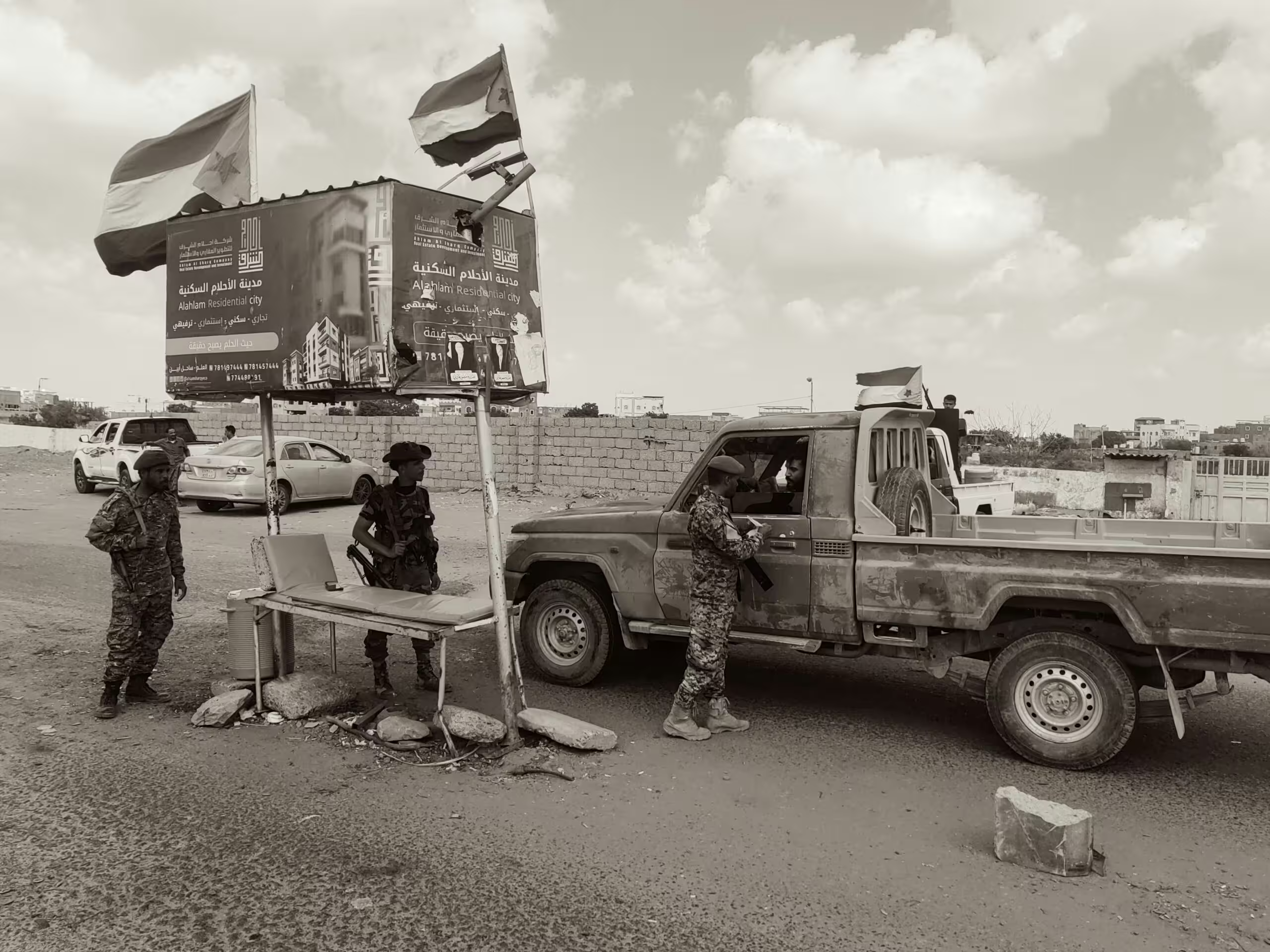
- The dividing line: The source said a boundary separates positions still held by units tied to Kataib Hezbollah’s 45th and 46th brigades from newly deployed government troops. Even the commander of the new government headquarters has been prevented from crossing it, leaving a substantial part of the district outside the command’s effective authority.
- The withdrawal plan: Kataib Hezbollah is negotiating a phased pullout that could stretch over several months, the source said, using the selection of alternative deployment zones as grounds for delay. He alleged the arrangement is designed to preserve the group’s structure, weapons and operational independence rather than dismantle them.
- The alleged deception: The source claimed that, in coordination with Badr Organization leader Hadi al-Amiri, Badr-affiliated units brought into the area would withdraw while flying Kataib Hezbollah flags, creating the impression that the militia’s own formations were leaving and misrepresenting the real extent of the withdrawal.
- The war calculation: The source assessed that the leadership is stalling in anticipation of renewed hostilities between Iran and the United States, seeking to retain enough capability to fight alongside Tehran. Reuters reported on November 20 that Iran-backed Iraqi militias struck American personnel and facilities in Saudi Arabia and the UAE during the war with Iran.
- Al-Zaidi’s posture: The prime minister is aware of the militia’s maneuvers but is avoiding immediate confrontation, according to the source. He wants government formations to complete their deployment and control access to the district first, and is awaiting field assessments, satisfied for now with a political gain earlier governments could not achieve.
- The territory: Jurf al-Sakhar, officially Jurf al-Nasr, has been under Kataib Hezbollah control since Islamic State fighters were expelled in 2014. The source described it as a forward IRGC stronghold outside Iranian territory, comparing its organizational weight to Beirut’s southern suburbs, Lebanese Hezbollah’s traditional base.
- The negotiations: The deployment followed talks involving Quds Force commander Esmail Qaani, Kataib Hezbollah Secretary-General Abu Hussein al-Hamidawi, al-Amiri and Popular Mobilization Forces Chairman Falih al-Fayyadh, The National reported. Kataib Hezbollah publicly acknowledged the meeting and said its disputes with Baghdad would be handled through private channels.
- The trigger: The confrontation began with government allegations that an extensive oil-smuggling network operated in Jurf al-Sakhar. Kataib Hezbollah denied the accusations. The group formally sits within the state-funded Popular Mobilization Forces but has repeatedly operated outside the official military chain of command.
- The warning: A direct armed confrontation becomes inevitable, in the source’s assessment, if al-Zaidi insists on neutralizing the group’s military capabilities and permanently ending its hold on the district. He called the gains so far a symbolic and political victory rather than a completed military takeover.
Background:
Al-Zaidi said on Friday that the Jurf al-Sakhar operation opens a broader campaign to impose state authority across Iraq and remove weapons outside government control, Reuters reported. Previous Iraqi administrations were unable to enter the district.
Between the lines:
The dispute turns on the difference between redeployment and disarmament. Moving brigades elsewhere while their weapons and command structure stay outside state authority, as the source describes, would leave al-Zaidi’s core problem intact. The blocked boundary is the measurable test: until the new command can inspect installations and enforce orders on weapons and personnel, the announced restoration of state control outruns the actual distribution of force.
What’s next
Watch whether the new government command gains access across the dividing line, whether field assessments confirm full deployment, and whether Kataib Hezbollah, the IRGC or Badr respond to the allegations of staged withdrawals.