Key Points
- Xi pledged to resist protectionism as Putin called Western sanctions a spent instrument of pressure.
- Both spoke at the APEC summit in Shenzhen hours before Trump flew in from Manila.
- Thursday brings the first three-way meeting of US, Chinese and Russian leaders.
The latest:
Protectionism and sanctions drew sustained fire from the leaders of China and Russia on Wednesday, in back-to-back speeches at the Asia-Pacific Economic Cooperation summit in Shenzhen. Xi Jinping told business executives China would cut tariffs and open its markets further, while Vladimir Putin said sanctions had strengthened rather than weakened Russia. Both men meet Donald Trump on Thursday.
Details:
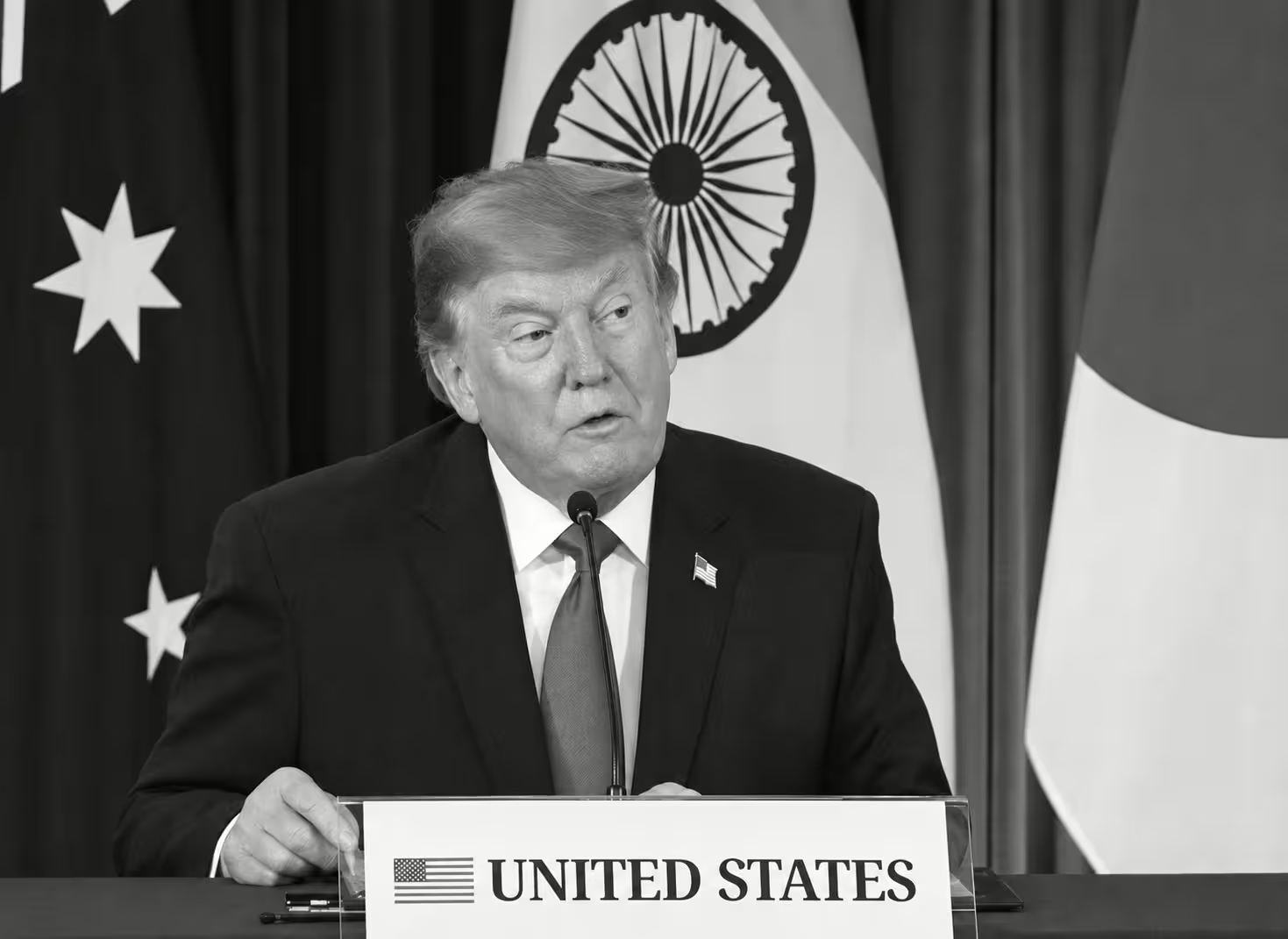
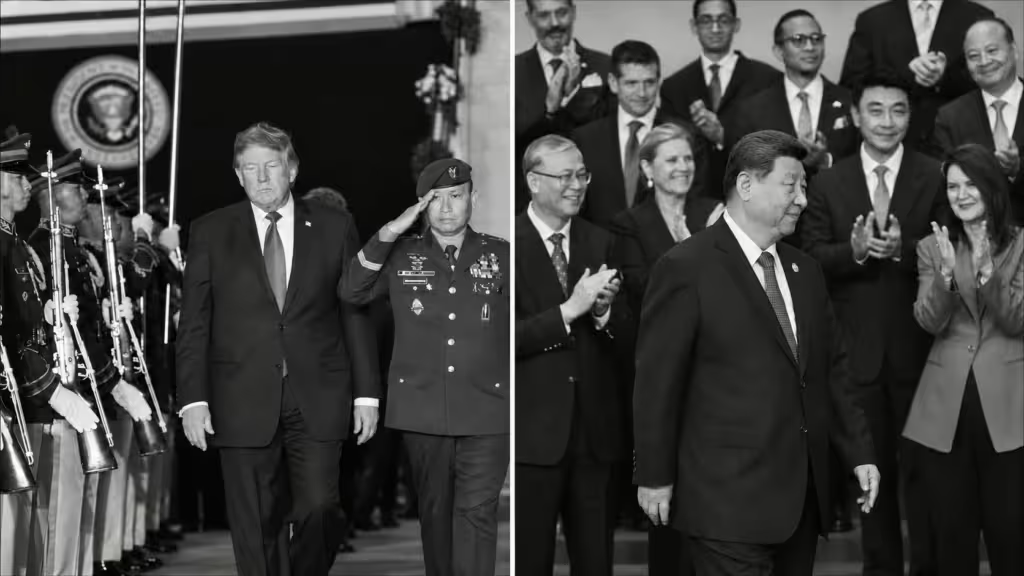
- The trilateral: Xi, Putin and Trump are due to meet on the summit sidelines on Thursday, Reuters reported, in what The New York Times described as the first-ever three-way gathering of the US, Chinese and Russian leaders. Russia’s war in Ukraine, the US war in Iran, trade, artificial intelligence and nuclear weapons are all on the potential agenda.
- The chip trigger: Xi’s speech followed a fresh US move restricting China’s access to advanced AI chips from companies including Nvidia, which Reuters said could complicate a fragile trade truce. Beijing has pledged to retaliate, without specifying the form or timing of its response.
- Xi’s pitch: Xi urged defence of the rules-based multilateral trading system with the World Trade Organization at its core, and said China would keep investing in its industrial base and developing technologies that benefit other countries. He framed Beijing as a stable partner against what he cast as unilateralism.
- The surplus dispute: Western trade partners accuse China of running annual trade surpluses above $1 trillion through policies favouring manufacturing over consumers. Beijing argues the model suits a catching-up economy; Washington and Brussels say China’s supply-chain dominance hands it geopolitical leverage and threatens their industries and jobs.
- Putin’s message: Putin labelled Western powers former hegemons and described Europe as being in humiliating decline, arguing sanctions imposed after his invasion of Ukraine had backfired. He said tariffs and export curbs retain some deterrent effect but are “incapable of halting growth” of competing economies.
- The battlefield backdrop: Putin spoke days after Ukraine destroyed the Kerch road bridge linking Crimea to Russia, which Reuters described as a major blow to his four-year-old war. He called the world turbulent and said he expected significant benefit from the trilateral, saying disputes can be settled at the table.
- The bilateral: Meeting separately, Xi and Putin praised a partnership they said was working steadily, and pledged further steps toward a multipolar world. Chinese state media quoted Xi saying relations had remained steadfast as a rock through wind and rain, and calling for democratisation of international relations.
- Trump in Manila: Before flying to Shenzhen, Trump vowed deeper defence cooperation with the Philippines as its friction with Beijing grows over disputed South China Sea features. He said the two sides had unexpectedly signed a trade deal; Ferdinand Marcos Jr’s office said it covers energy and food security, giving no further details.
- The Yalta comparison: The meeting has been likened to the 1945 Yalta Conference, which formalised spheres of influence and became shorthand for great-power bargains imposed on smaller states. The Kremlin dismissed the comparison as games of political scientists but said the summit will have major impact; Beijing said it will promote world peace.
- Regional unease: Leaders of smaller economies in Europe and Asia fear the three military powers will disregard their interests, Reuters reported. On Tuesday, Taiwan and Japan both flagged incursions by Russian aircraft into their airspace. Trump floated a possible meeting with Kim Jong Un in China, which has not been confirmed.
Background:
Trump’s Asia trip is his first since his Republican Party’s defeat in midterm elections. Allegations involving Nvidia founder Jensen Huang and a suspected Chinese spy have added to the tension around the visit.
Between the lines:
George Chen of The Asia Group assessed that Xi’s message is likely to resonate across the Global South and reinforces Beijing’s effort to contrast its technology strategy with Washington’s. The timing supports that reading: the free-trade pitch landed immediately after the new US chip restrictions, letting Xi answer a specific American measure with a universal principle rather than a retaliation announcement.
What’s next
Thursday’s trilateral in Shenzhen, and whether Ukraine, Iran or AI produce any stated outcome. Watch for the shape of Beijing’s promised retaliation on chips, and the fourth Trump-Xi meeting of the year at the G20 in Miami in December.