Key Points
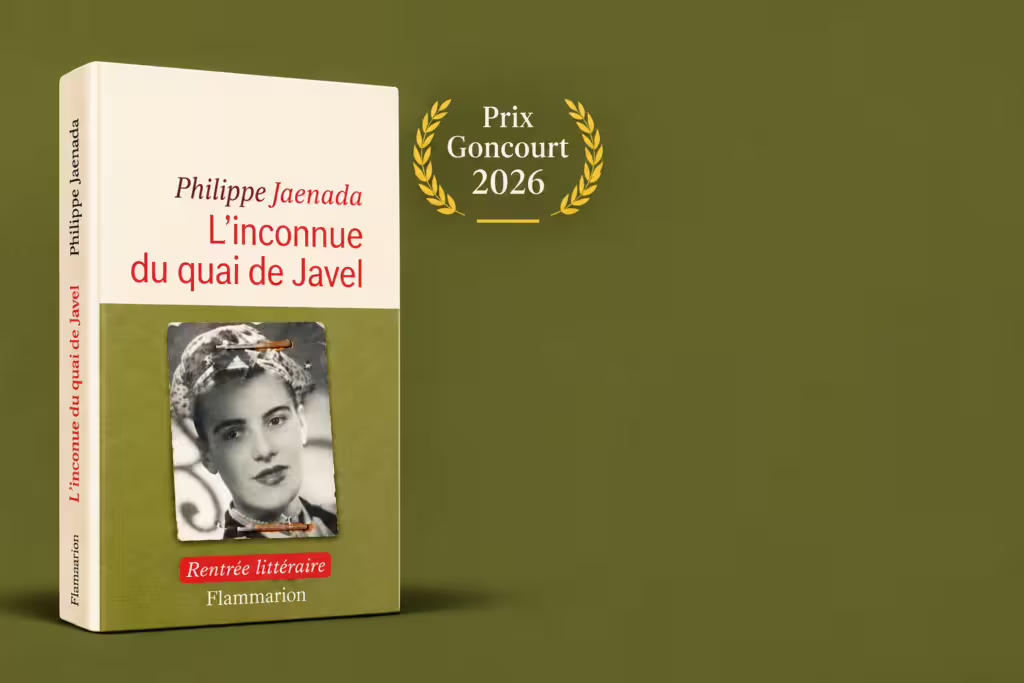
- Philippe Jaenada won the 2026 Prix Goncourt for L'Inconnue du quai de Javel, published by Flammarion.
- The novel re-investigates the murder of Louise Cansot, a well-known model in post-war Paris.
- France's most prestigious literary prize shapes sales and reputations across the autumn publishing season.
The latest:
France’s most prestigious literary award went Tuesday to Philippe Jaenada for L’Inconnue du quai de Javel, a counter-investigation into a post-war Paris murder. Academy president Philippe Claudel announced the decision from the steps of the Drouant restaurant in Paris, according to Reuters. Jaenada, 62, published the book with Flammarion.
Details:
- The winner: Jaenada, 62, was recognised for a counter-investigation into the killing of Louise Cansot, a renowned model in post-war Paris, according to Reuters. The novel revisits the case rather than presenting it as settled history, a format the author has built much of his work around.
- The shortlist: Jaenada was up against Yannick Haenel for La solitude des professeurs est infinie (Gallimard), Clémentine Mélois for Choses que je croyais perdues (L’Arbalète), and Sylvain Prudhomme for De l’autre côté du lac (Minuit), Reuters reported.
- The announcement: Philippe Claudel, president of the Goncourt academy, made the announcement from the steps of Drouant, the Paris restaurant where the jury has traditionally deliberated and revealed its choice. The academy did not disclose how the vote among the four finalists broke down.
- The predecessor: Jaenada succeeds Laurent Mauvignier, who took the prize last year for La maison vide, published by Minuit, Reuters said. Mauvignier’s win gave Minuit a presence that the house carried into this year’s shortlist through Prudhomme.
- The controversy: This year’s literary season was marked by a dispute over Thélyson Orélien, the Canadian-Haitian author accused of using artificial intelligence to write his novel C’était ça ou mourir (Grasset), Reuters reported. The book appeared in the Goncourt selection before being withdrawn from it.
- The Renaudot: The Prix Renaudot went to François-Henri Désérable for Le Palais, published by Gallimard, according to Reuters. The Renaudot is traditionally announced the same day as the Goncourt and from the same venue, giving Gallimard a win after missing the Goncourt.
- The Médicis: The Prix Médicis was awarded Monday to Philippe Vasset for Dans les grandes lignes, Reuters reported. The novel is published by Flammarion, which took both the Médicis and the Goncourt within two days.
- The publishers: Flammarion ended the week with two of the three prizes reported, while Gallimard, Minuit and L’Arbalète each placed a title among the Goncourt finalists. No sales figures tied to the awards were released.
Background:
The Goncourt, awarded since 1903, carries a token cash value but reliably drives the year’s largest sales surge in French publishing, making the shortlist itself commercially significant for the houses involved.
Between the lines:
The Orélien episode put an AI-authorship question inside the Goncourt selection process itself rather than at its margins, since the title was listed before being withdrawn. The eventual winner is a counter-investigation grounded in archival work on a real 1940s murder — a form whose value rests on verified human research, the opposite end of the spectrum from the dispute that shadowed the season.
What’s next
Watch weekly French bestseller rankings for the standard post-Goncourt sales jump, Flammarion’s print-run decisions for both its winning titles, and any further statement on the withdrawal of Orélien’s novel from the selection.