The latest:
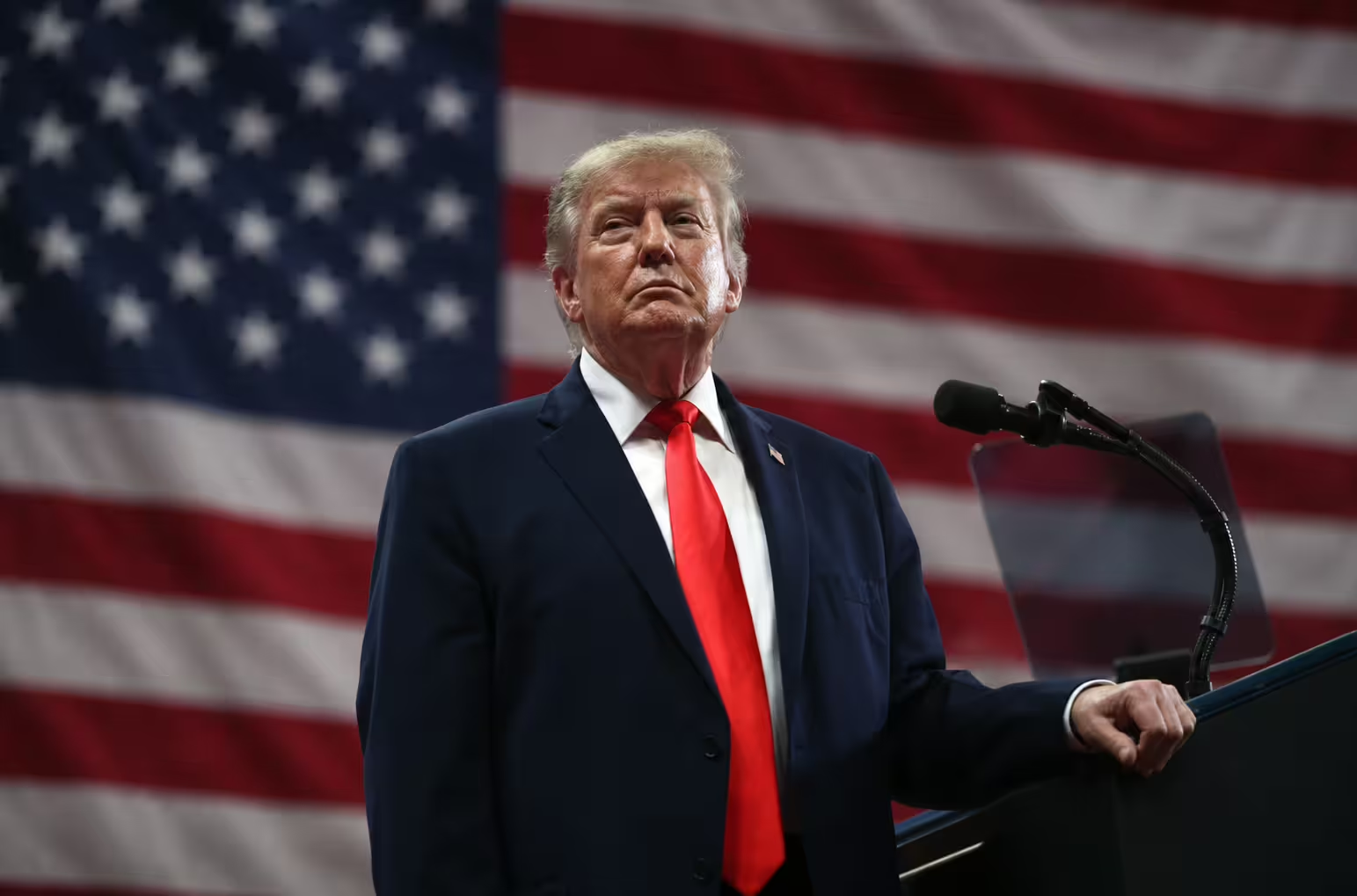
Roughly $8 billion in planned Israeli weapons purchases over the next two years lost their funding assumption on Tuesday, after President Donald Trump told Fox News the United States would stop paying Israel about $4 billion annually once this year ends. Trump said Prime Minister Benjamin Netanyahu raised the idea months ago. Netanyahu’s office issued no immediate comment.
Details:
- The money at stake: Under the current memorandum, Israel receives $3.8 billion a year, of which roughly $3.3 billion funds purchases from US defense firms and about half a billion goes to joint missile-defense development, including Iron Dome and David’s Sling. The agreement was scheduled to run through 2028.
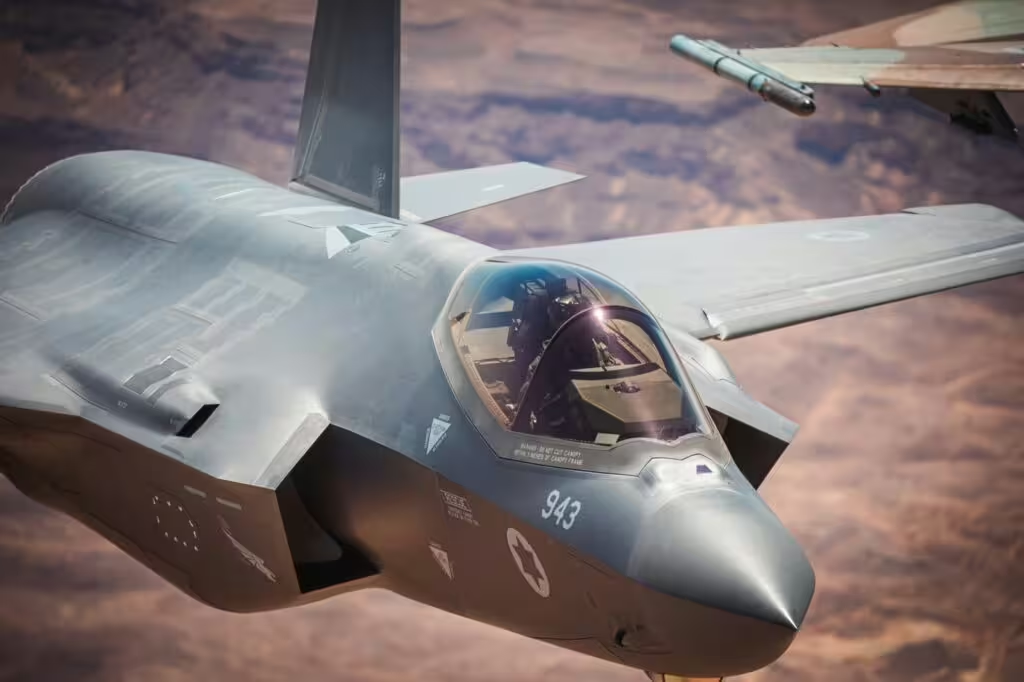
- The procurement list: Jerusalem Post reported the defense establishment had earmarked about $8 billion over the next two years for F-35s, new F-15s, helicopters, interceptors and research programs. An abrupt halt forces a rewrite of multi-year supply plans and a reordering of priorities.
- The surprise: A senior defense official told public broadcaster Kan they had not expected the announcement, certainly not that day, adding the decision had not yet reached the relevant officials. Walla reported finance ministry officials knew aid would eventually end but were caught off guard by the immediacy.
- No paper trail: An official told Walla that no formal document had come from the prime minister’s office on terminating aid. Israeli and American officials had been meeting since May on a possible new 10- or 20-year memorandum built around joint arms sales and research, with no indication aid would stop early.
- The budget math: Israel’s defense budget has climbed from the 60 billion shekel range to roughly 143 billion in recent years. Under the 2025 budget the defense ministry reached a record 110 billion shekels, within a total defense budget of 136 billion shekels, or about $36.9 billion.
- The dilemmas: Avishay Ben Sasson-Gordis of the Institute for National Security Studies said covering the gap means significant economic costs and painful trade-offs: reshuffling priorities inside the defense establishment, cutting other ministries’ budgets, or borrowing and raising national debt.
- Netanyahu’s version: Netanyahu has publicly favored ending aid, but gradually. He wrote to a US lawmaker in June that Israel should move from aid recipient to partner, told The Economist in January he hoped to do it within a decade, and told CBS in May he wanted support to reach zero.
- The political opening: Yesh Atid-aligned Gadi Eisenkot, head of the Yashar party, said the defense establishment learning of a strategic shift through the media shows how dangerous Netanyahu’s conduct is, demanded answers that night, and said Netanyahu can no longer be trusted.
- The American politics: Trump timed the remarks to the morning of the midterm elections and tied them to criticism of aid to Israel, citing Democratic candidate Abdul El-Sayed. A June Quinnipiac poll found 48% of voters and 66% of Democrats believe Washington supports Israel too much, against 16% and 20% in 2017.
Background:
Washington committed billions in annual military aid to Israel and Egypt after the US-brokered 1979 peace treaty. Israel has received more than $300 billion in inflation-adjusted economic and military aid since 1948, per Council on Foreign Relations figures, more than any other recipient since 1946.
Between the lines:
Jerusalem Post assessed some Israeli officials hope Trump simply misspoke and meant 2028, the memorandum’s real expiry. But the alternative readings are worse for the military: either Netanyahu accelerated the timeline without telling his own defense chiefs, or he is unwilling to correct the president publicly. Either way, procurement planners cannot write a multi-year budget around a Fox News interview.
What’s next
Watch for a formal Israeli response, any document from the prime minister’s office defining the termination date, and whether the 10- or 20-year partnership memorandum under discussion since May advances or collapses.