Key Points
- Gulf governments expect a heavy U.S. bombardment of Iran as early as this week, officials told the Journal.
- Qatari-mediated talks are deadlocked over who concedes first, with Hormuz closed since February.
- Iran has threatened unrestrained retaliation against U.S. and Gulf infrastructure, putting energy sites and airports at risk.
The latest:
America’s Gulf allies are preparing for a heavy U.S. bombardment of Iran that they expect to trigger retaliation against their own economic and civilian infrastructure as early as this week, The Wall Street Journal reported. President Trump has leaned toward a large postelection attack on Iranian infrastructure and nuclear sites but has not decided, the Journal said. Qatar is still trying to broker a confidence-building deal.
Details:
- The call: Trump told Israeli Prime Minister Benjamin Netanyahu in a call Saturday that he wanted to give diplomacy a chance first, people familiar with the conversation told the Journal. Netanyahu pressed for strikes immediately after Tuesday’s U.S. midterm elections, and Israel’s military has prepared attack plans and is on high alert. Axios first reported the call.
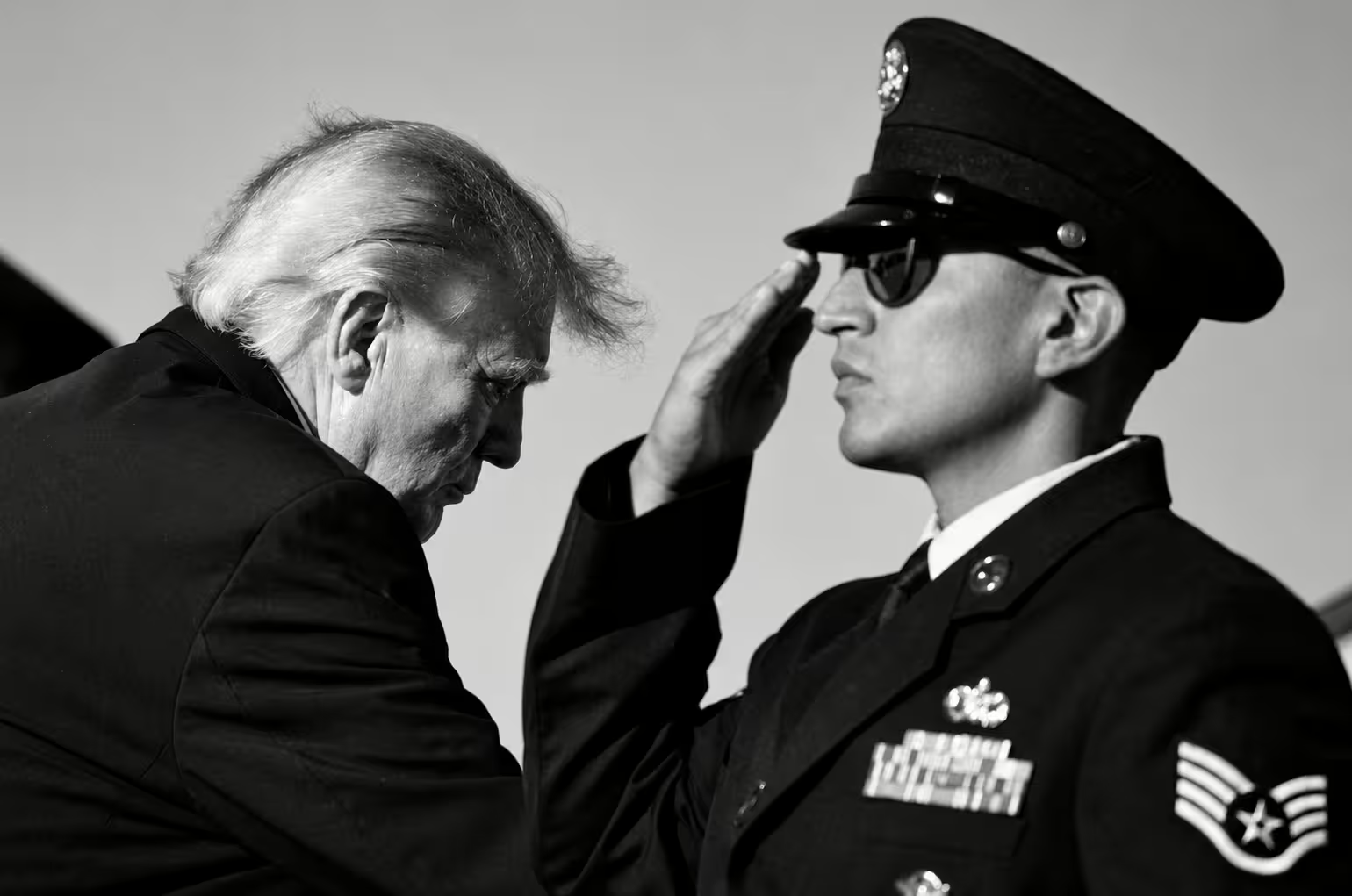
- Trump’s words: At an Iowa rally Sunday, Trump said he had not finished with Iran because he wanted to save lives, but added that at some point Washington would have to give Tehran “the hammer.” He escalated threats as recently as late July, only to pull back in hopes of a deal. The White House did not respond to a request for comment.
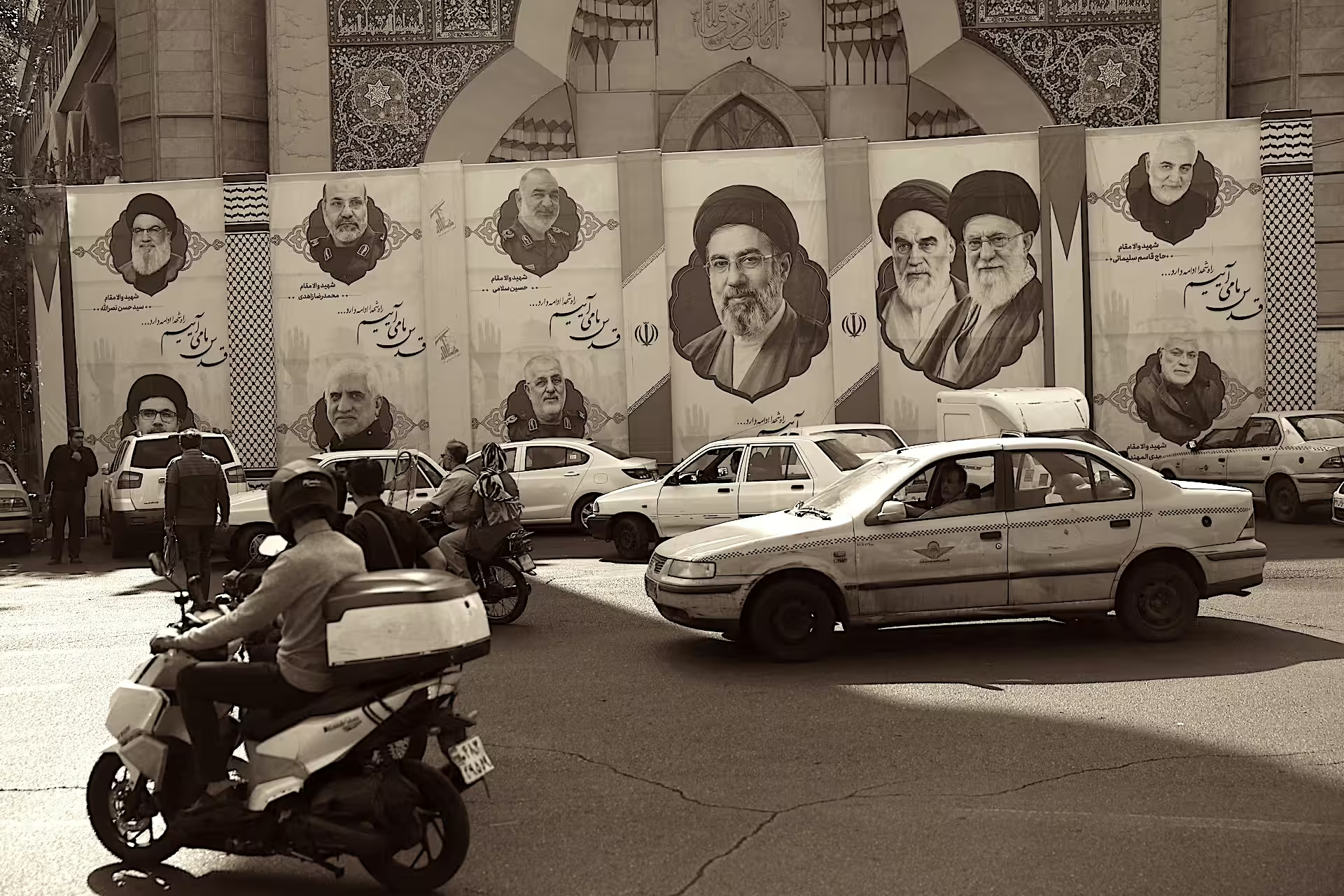
- Tehran’s position: Iranian officials said over the weekend that any response to an attack would be unrestrained. President Masoud Pezeshkian said Tehran was still trying to solve the problem through dialogue and that the supreme leader had granted the government certain powers, IRNA reported Monday, without elaborating on what those powers covered.
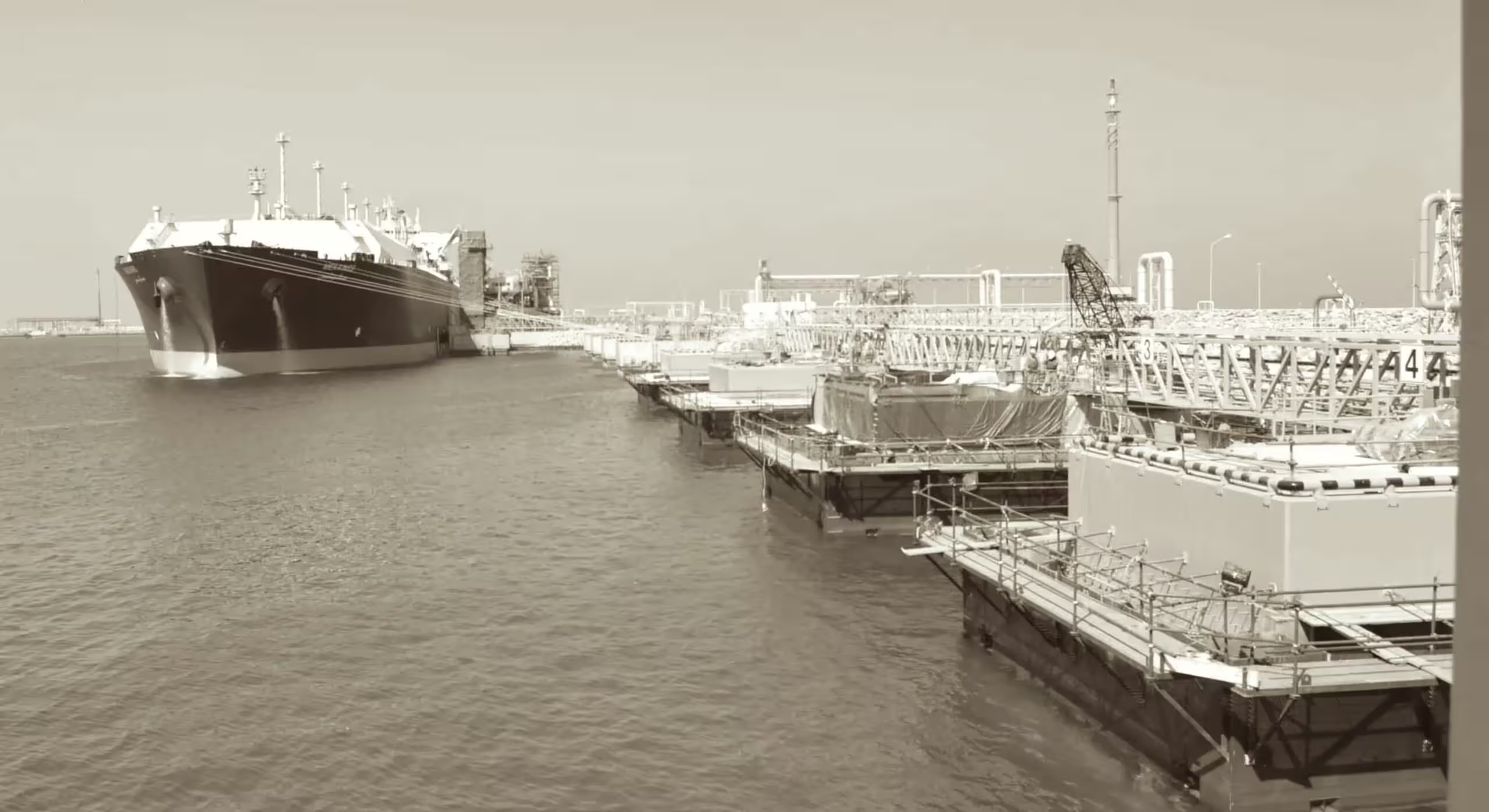
- The Hormuz offer: Iran’s foreign ministry said Monday it could reopen the Strait of Hormuz within two days if Washington meets demands including lifting sanctions and releasing billions of dollars in frozen Iranian assets, the New York Times reported. Iran effectively closed the waterway after U.S. and Israeli forces attacked in February, roiling energy markets.
- The Qatari plan: Qatari mediators traveled to Tehran on Friday with a revised proposal cutting a confidence-building period from seven days to two, Iran said. Under one version, the U.S. would loosen its naval blockade if Iran halted attacks on shipping; Tehran would then readmit nuclear inspectors and open talks on its enriched uranium stockpile, with sanctions relief to follow.
- The deadlock: Talks are stuck on whether Washington or Tehran concedes first, mediators said. The U.S. is reluctant to lift the blockade before clear nuclear progress, fearing Iran would rush bottled-up oil out of the Gulf. Iran’s foreign ministry spokesman said Monday nuclear issues had not been discussed, and Deputy Foreign Minister Kazem Gharibabadi returned from Doha on Sunday without enough progress to draw U.S. negotiators.
- Gulf preparations: Qatar and the United Arab Emirates have run security drills including at airports, and attendees at a major Abu Dhabi energy conference cut short their stays on government advice, the Journal reported. Schools in Riyadh will stay online this week. Dutch and Belgian embassies warned Thursday that regional security conditions could deteriorate quickly.
- Arab officials: Anwar Gargash, senior foreign-policy adviser to the U.A.E. president, said his country hoped diplomacy would work but was braced for the worst. Egyptian Foreign Minister Badr Abdelatty said at the same conference that a new round of escalation would be more destructive, and that efforts over the coming days or weeks would be critical.
- U.S. military moves: The Pentagon has restocked munitions in the region, moved troops out of vulnerable bases and sent another Patriot antimissile system to Israel, the Journal reported. Adm. Brad Cooper, the top U.S. commander in the Middle East, briefed Trump in person Thursday on military options, a rare visit the Journal said could signal Washington is nearing major operations.
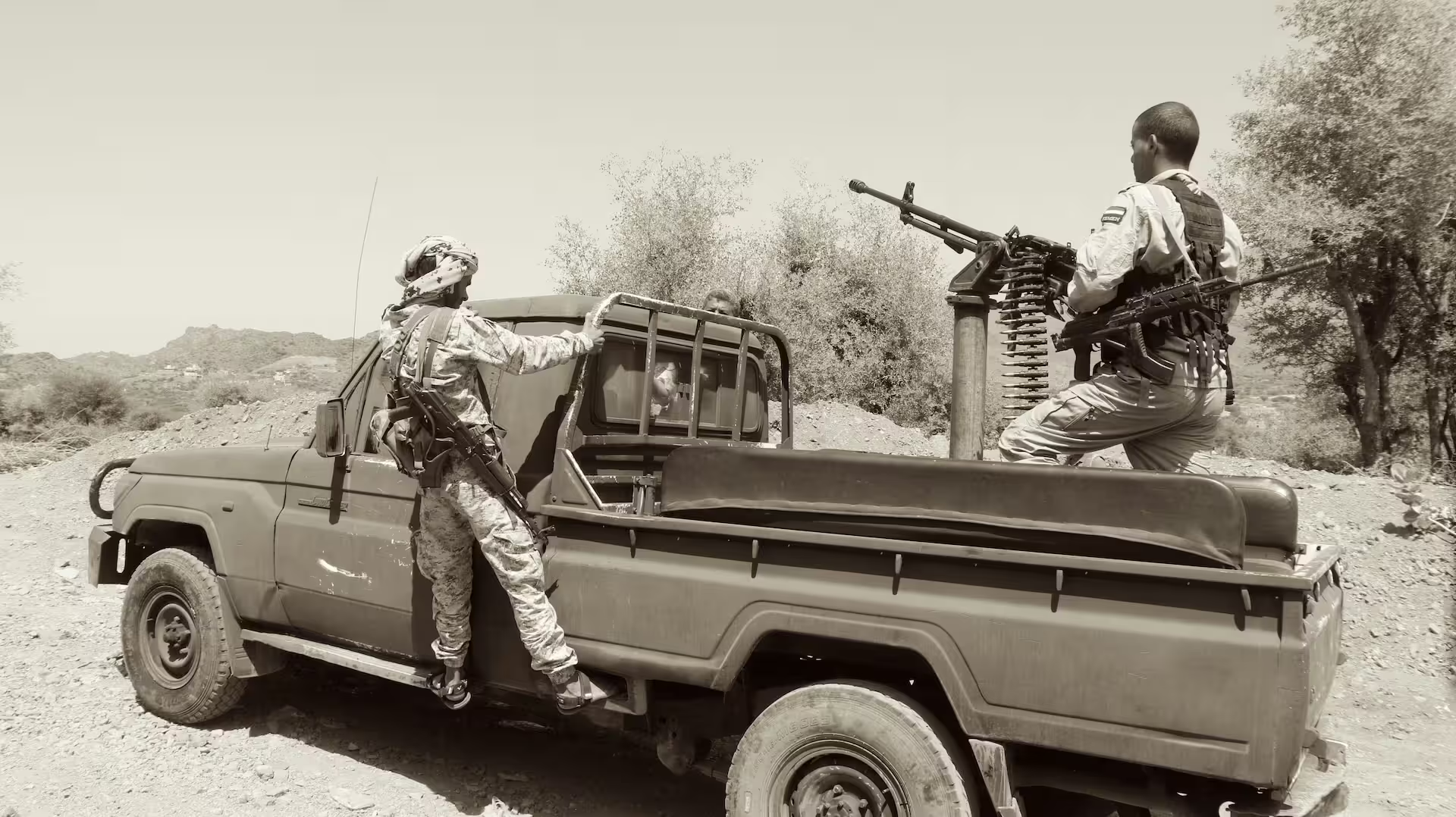
- Yemen front: Saudi, Pakistani and Turkish officials visited Tehran last week and offered to discuss a regional security agreement if Iran joined nuclear talks, people briefed on the discussions said. Riyadh also asked for help restraining the Houthis. Hours later, the Houthis launched drone and missile attacks on targets including Riyadh and the oil hub Ras Tanura.
Background:
U.S. and Israeli forces attacked Iran in February, and fighting peaked in March, when Iranian missiles struck U.S. bases and Gulf energy facilities. The U.A.E. carried out strikes on Iran in the spring; other Gulf states largely stayed out. Iran has since publicly floated withdrawing from the Nuclear Nonproliferation Treaty.
Between the lines:
Reuters assessed that the U.S. bases built to protect Gulf states now give Iran fixed targets and pressure points, a vulnerability the March strikes exposed. Behnam Ben Taleblu of the Foundation for Defense of Democracies judged that an infrastructure-based U.S. campaign would likely trigger an Iranian one against U.S. partners. Ali Vaez of the International Crisis Group assessed escalation as inevitable given the gaps that left Doha’s talks unresolved.
What’s next
Tuesday’s U.S. midterm elections are the marker both Netanyahu and Washington have tied strike timing to. Watch for a formal Iranian reply to Vice President JD Vance’s October letter, a U.S. team traveling to Doha, and Brent crude, down more than 6% on deal hopes.