Key Points
- Musk said SpaceX closed $40 billion in debt to buy AI chips
- He said credit markets are almost entirely shut to revenue-less GPU rental firms
- Deal lands as AI-linked borrowing surges and investors demand higher yields
The latest:
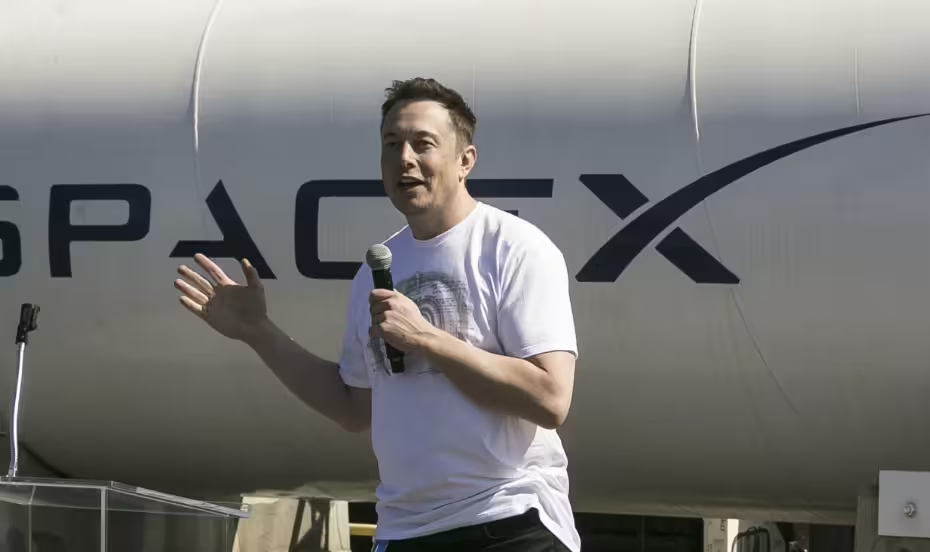
SpaceX has closed a $40 billion debt financing to buy graphics processors from Nvidia and other suppliers for its AI data centers, Elon Musk said in a post on X on October 25, 2026, according to Bloomberg and SiliconANGLE. Musk said the chips are scheduled for delivery in the first and second quarters of 2027, and that most of the debt would be repaid early.
Details:
- The structure: The Financial Times reported in early October, in an account relayed by Bloomberg on October 6 and Yahoo Finance on October 7, that the package consists of roughly $10 billion in bank loans and $30 billion in investment-grade debt, led by Apollo Global Management with participation from Pimco. SiliconANGLE said Musk’s comments appear to confirm that report.
- Musk’s reasoning: Musk attributed SpaceX’s ability to raise the money to its investment-grade credit rating and to what he described as substantial revenue independent of AI data centers, generated by Starlink and launch operations. He did not break down how much of the chip order is tied to Nvidia specifically.
- The warning: Musk said debt markets are almost entirely shut off to companies with no revenue outside AI data centers, predicting that “200+ neoclouds are going to see guppy-level death and consolidation,” with larger players absorbing many smaller ones. Neoclouds rent specialized GPU capacity to AI developers rather than running a full-service cloud business, concentrating revenue in that single line.
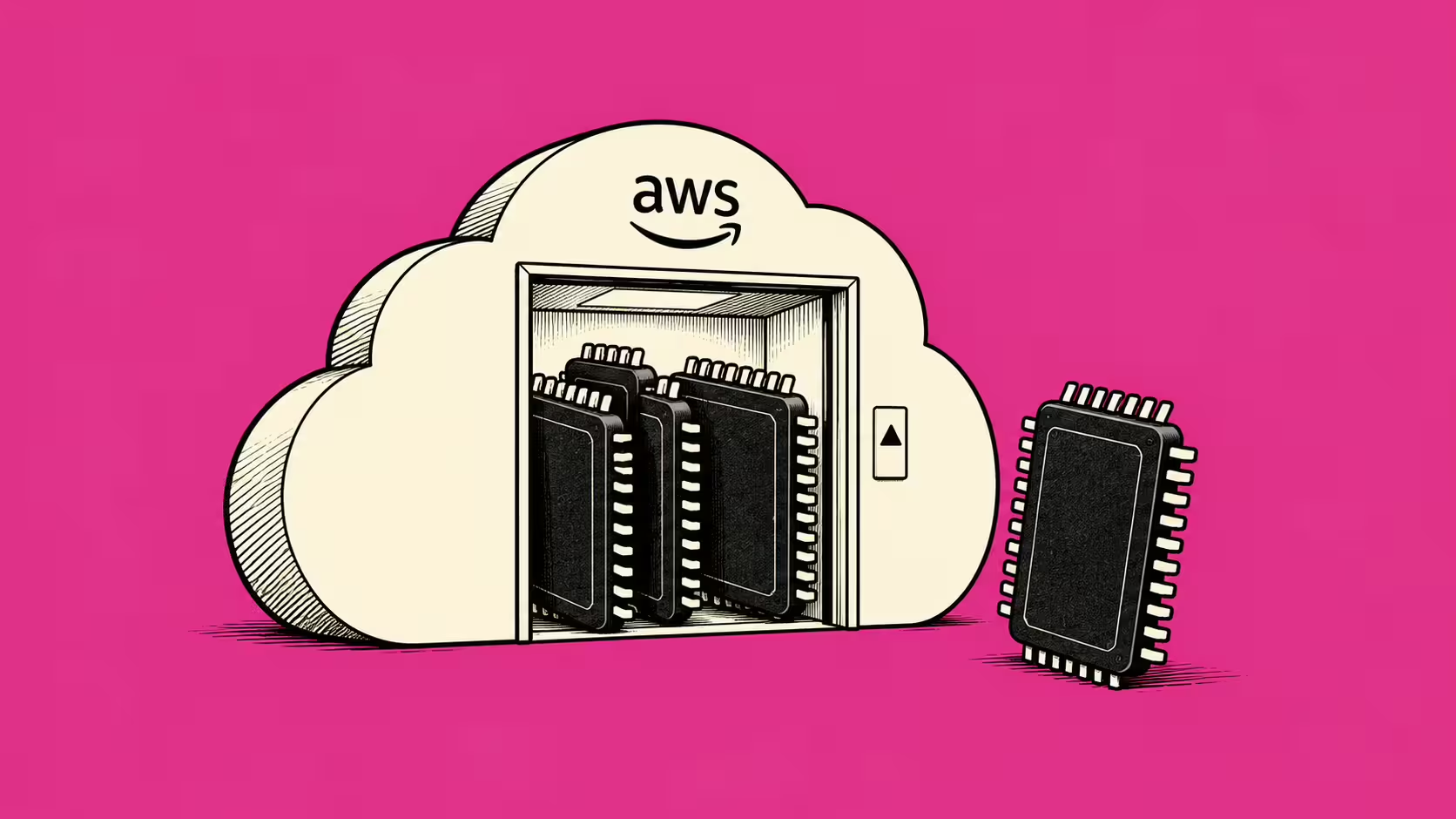
- The borrowing wave: SiliconANGLE cited Morgan Stanley estimates that capital spending at AWS, Microsoft, Google and Meta will reach $700 billion this year and exceed $1 trillion in 2027, with global AI-linked debt issuance passing $570 billion this year. Goldman Sachs expects major cloud firms to borrow $250 billion this year and $400 billion in 2027.
- Investor caution: Reuters reported that investors are demanding higher yields on bonds issued by AI infrastructure companies, citing concerns over the scale of the debt being raised and over how quickly AI revenue is actually growing. That repricing is the market backdrop against which the SpaceX package was placed.
- Earnings effect: Musk said the financing would not materially affect fourth-quarter earnings, and that most of the principal is expected to be retired ahead of schedule. He gave no repayment timetable and named no maturity dates.
- Revenue base: Yahoo Finance reported that the Colossus 1 and Colossus 2 data centers in Memphis, Tennessee generate billions of dollars monthly in recurring compute revenue. Chief Financial Officer Bret Johnsen said in September the company believes it is on track toward $100 billion in annual recurring revenue.
- The hosting deal: Johnsen said a recently closed hosting agreement adds roughly $1.11 billion per month starting December 1, equivalent to about $13 billion in annual recurring revenue. The counterparty to that agreement was not identified.
- Market reaction: Yahoo Finance reported, in a piece by Brass Subramanian on October 7, that SpaceX stock, trading under the ticker SPCX, declined that day following the initial debt report.
Between the lines:
Musk is simultaneously the largest borrower in this cycle and its loudest skeptic. His stated test for creditworthiness — investment-grade rating plus revenue outside AI data centers — is precisely the test the 200-plus neoclouds he says will consolidate cannot pass. The Colossus figures and the Memphis revenue base are what separate his balance sheet from theirs in that framing.
What’s next
Chip deliveries are scheduled across the first and second quarters of 2027. The $1.11 billion monthly hosting revenue begins December 1. Fourth-quarter earnings will show whether the financing lands as Musk described.