Key Points
- The US Transportation Department fined Air France and KLM $425,000 for flying restricted Iraqi airspace.
- The carriers operated over 130 Delta code-share flights through the banned corridor between 2022 and 2025.
- FAA airspace bans extend to foreign airlines carrying US carriers' codes, making them liable to US enforcement.
The latest:
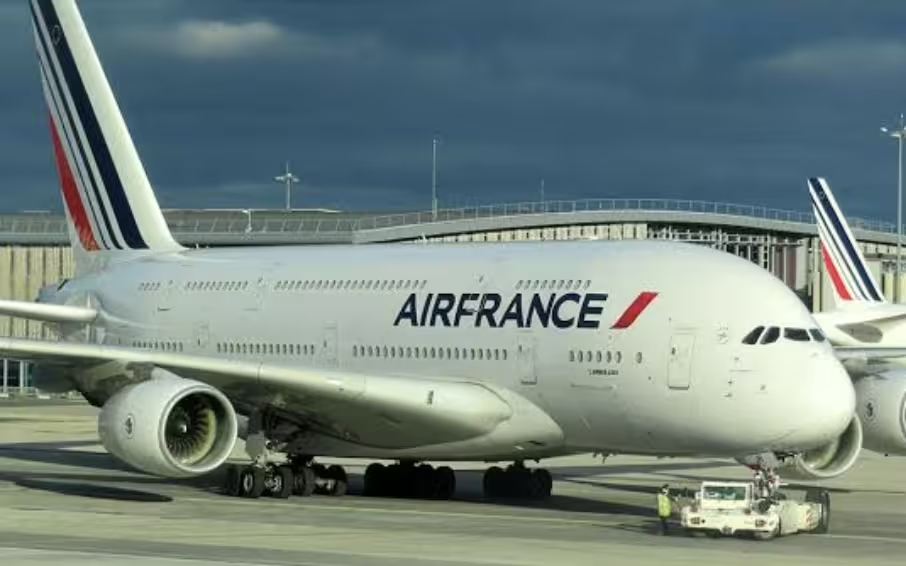
Air France and KLM were hit with $425,000 in combined penalties Friday for operating Delta Air Lines code-share flights through Iraqi airspace that US regulators had declared off-limits, the US Transportation Department announced. The violations span 2022 through 2025. Both carriers told the department they comply fully with regulatory requirements at all times and are treating the matter with the utmost seriousness.
Details:
- The numbers: The Transportation Department said Air France operated more than 30 flights and KLM more than 100, all carrying the Delta code, through Iraqi airspace restricted by the Federal Aviation Administration. The flights took place between the start of 2022 and 2025, according to Reuters.
- Payment terms: The carriers must pay $265,000 of the $425,000 total within 60 days, the department said. The remaining balance becomes due only if further violations occur within one year, effectively putting the airlines on probation for the next 12 months.
- The rule: The FAA restricts US airlines from flying over foreign airspace affected by conflict, armed activity or escalating tensions that could threaten flight safety. Iraqi airspace has been covered by such restrictions, and the agency did not publish a revised assessment alongside the penalty.
- Why they were liable: The restrictions also apply to foreign carriers operating flights that carry a US airline’s code. Because the Air France and KLM services were sold under the Delta code, they fell inside the FAA perimeter despite both airlines being European operators outside direct US jurisdiction.
- The airlines’ defense: Air France and KLM said local air traffic controllers instructed their crews to descend, or refused to clear them to climb, because of conflicting traffic. The airlines framed the routings as controller-driven rather than discretionary decisions by their flight crews.
- The exemption argument: Both carriers said they believe the emergency exemption should have applied, citing the safety consequences of refusing a controller’s instruction. The department’s order did not accept that reading, and the airlines did not say whether they would contest it.
- No public comment: Neither airline issued a public statement on the penalties, with their position conveyed instead through submissions to the Transportation Department. Delta Air Lines, whose code appeared on all the flights in question, was not named as a party subject to the fines.
- The time span: The violations accumulated over roughly three years, a period covering repeated escalations affecting the airspace over Iraq. The department did not specify how the pattern was detected or when the enforcement review began.
Background:
Air France and KLM operate under a single holding company, Air France-KLM, and both maintain code-share arrangements with Delta as part of a transatlantic joint venture. Code-share flights are sold under a partner airline’s flight number even when another carrier operates the aircraft.
Between the lines:
The penalty structure matters more than the headline figure. Holding back $160,000 contingent on a clean 12 months signals the department is targeting repeat behavior rather than a single lapse, consistent with violations spread across three years and more than 130 flights. The controller-instruction defense, if sustained later, would test how far the emergency exemption stretches when foreign air traffic control and FAA restrictions pull in opposite directions.
What’s next
The 60-day clock on the $265,000 payment, and whether Air France or KLM formally challenges the order. The remaining $160,000 hinges on whether either carrier records another violation within one year.