Key Points
- Prime Minister Ali al-Zaidi said Iraq will not take part in any war in the region.
- He called confining weapons to state security forces essential to full Iraqi sovereignty.
- Baghdad is seeking pipeline alternatives after the Hormuz closure disrupted its oil exports.
The latest:
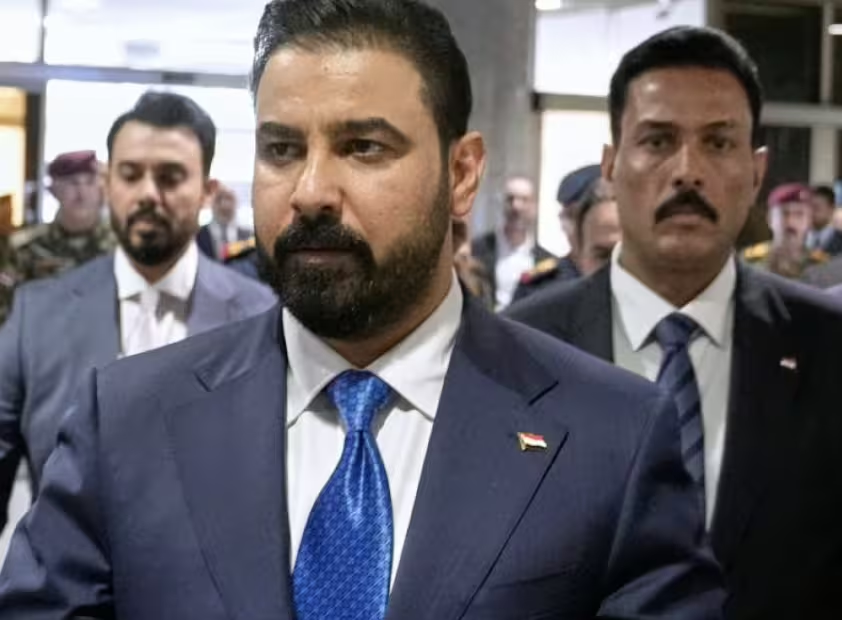
Iraq will not participate in any war and is working diplomatically to de-escalate between Washington and Tehran, Prime Minister Ali al-Zaidi said Friday in an interview with Al-Iraqiya television. He said both the United States and Iran need an Iraqi role, and described full sovereignty as a decision rather than a choice, with no alternative to placing all weapons under state security forces.
Details:
- The core position: Al-Zaidi said Iraq wants to be a meeting point between the region’s rival parties rather than a launchpad for attack, telling Al-Iraqiya that “Iraq will not take part in any war, it is a point of meeting, not of aggression.” He added that Baghdad supports calm and is continuing efforts to end the crisis.
- The Hormuz fallout: The closure of the Strait of Hormuz has hit more than Iraq alone, the prime minister said, adding that Baghdad had hoped its close ties with Tehran would secure an exemption allowing its exports to keep moving through the waterway. He did not say whether any such request was made or refused.
- Export disruption: Iraqi oil exports are fluctuating because of regional conditions, al-Zaidi said. He described plans for a network of pipelines giving greater export flexibility and reducing exposure to shipping-route disruption, adding that planned production increases would strengthen Iraq’s relations and cooperation with major states.
- Ties with Iran: Closing the border with Iran serves neither country’s interests, al-Zaidi said, given the volume of goods reaching Iraq through shared crossings. He said Baghdad has opened Najaf airport to flights arriving from Iran and that Iraqi Airways is continuing its own services.
- The Gulf track: Al-Zaidi said his government is committed to good relations with Saudi Arabia and the Gulf states, and that his recent visit to the kingdom had been scheduled in advance and he was keen to complete it. He framed the outreach as widening regional cooperation while avoiding entanglement in conflicts.
- The weapons file: On internal security, al-Zaidi said achieving full sovereignty is a decision, not an option, and that there is no alternative to confining weapons to the security forces. He said his task is building a state for all Iraqis and that results, not statements, are the measure. No timetable was set out.
- The savings claim: The prime minister said his government has saved roughly 20 trillion dinars a year by changing how refined oil products are sold and how crude is accounted for against the oil ministry. He said funds lost under the previous mechanisms had been a source of theft and corruption.
- The corruption detail: Most of those accused in corruption cases linked to the oil ministry exploited arrangements covering about 1 million barrels of crude the ministry receives free of charge, using them to collect commissions, al-Zaidi said. He did not name individuals or cases.
- Economic identity: Al-Zaidi said his government is working to define a clear economic identity for Iraq rather than continue with what he called a hybrid economy. He said state-building does not happen overnight but citizens would feel the results of government measures.
Background:
Iraq hosts both a US military presence and Iran-aligned armed factions, leaving Baghdad exposed whenever tensions rise between Washington and Tehran. The government completed its formation this month, and disarming non-state groups has been a recurring demand of successive Iraqi administrations.
Between the lines:
The two headline commitments pull against each other: staying out of any war depends on the same armed actors al-Zaidi says must hand weapons to the state. His emphasis on results over statements, and the absence of a timetable, suggest the pledge is a direction of travel rather than an imminent confrontation. The Hormuz exemption Baghdad hoped for did not materialise, which is why the pipeline network now carries the weight.
What’s next
Watch whether Iraqi crude exports stabilise through alternative routes, whether any pipeline project is formally approved, and whether the government issues a mechanism or deadline for transferring weapons to state forces.