The latest:
Saudi Arabia has no good way out of its confrontation with the Houthis, The Economist reported, citing figures close to Crown Prince Mohammed bin Salman who see only three options: sending ground troops into a bloody war of attrition, continuing an air campaign unlikely to prove decisive, or a settlement that locks in Houthi control of the territory they hold.
Details:
- The truce: Riyadh had hoped the 2022 truce would contain the threat, according to the magazine, but the calm began unravelling over the summer under the regional fallout of the American war on Iran. The Houthis simultaneously expanded their control inside Yemen and stepped up attacks on Saudi territory.
- Doubts about Trump: A well-connected Saudi figure questioned Trump’s reliability despite the investments and favours Riyadh extended to him, telling the magazine he “doesn’t stay loyal to anyone for long.” The Economist judged that Riyadh overestimated its ability to shape his decisions.
- What Riyadh offered: The courtship included pledges of large-scale investment in the United States, Saudi-funded tournaments at golf courses Trump owns, and 2 billion dollars invested with Jared Kushner, the president’s son-in-law. None of it stopped Trump from launching the war on Iran despite the consequences for Saudi security.
- The biggest fear: Saudi officials fear Trump resumes strikes on Iran after the November 3 midterm elections, despite Mohammed bin Salman urging against escalation, according to the magazine. Their worst case is simultaneous attacks from the Houthis to the south, Iraqi factions to the north, and Iran to the east.
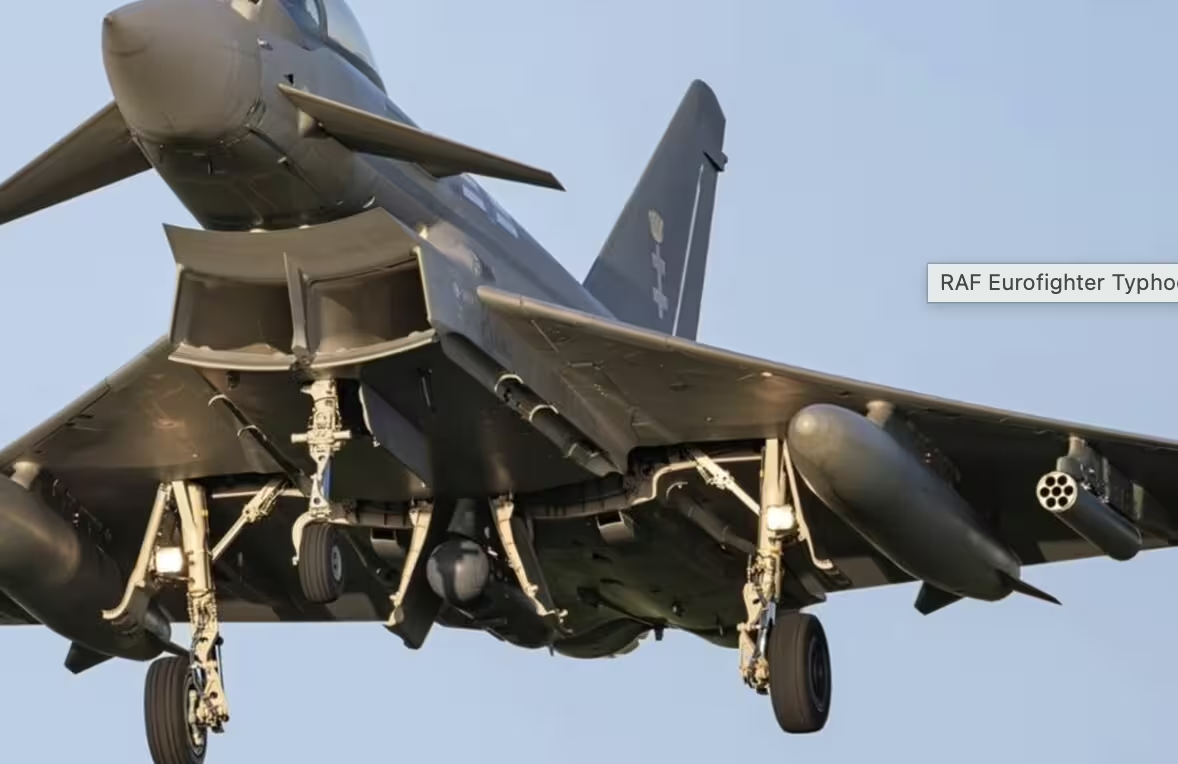
- The defence gap: Saudi Arabia covers roughly four times the area of France while running short of the interceptor missiles needed to shield its facilities and cities, the report said. A resumption of American strikes could impose extra defensive burdens Riyadh cannot escape by adjusting its Houthi policy.
- The economy: Economic strain predated the war and deepened during it, with major projects suspended under fiscal pressure and wages failing to keep pace with inflation. Annual foreign direct investment runs at about a third of the crown prince’s 100 billion dollar target.
- The IMF reversal: A year ago the International Monetary Fund projected 4% Saudi growth in 2026; it now forecasts a 3.3% contraction. The Economist assessed that any 2027 recovery depends heavily on regional stability returning, and therefore on American decisions toward Iran.
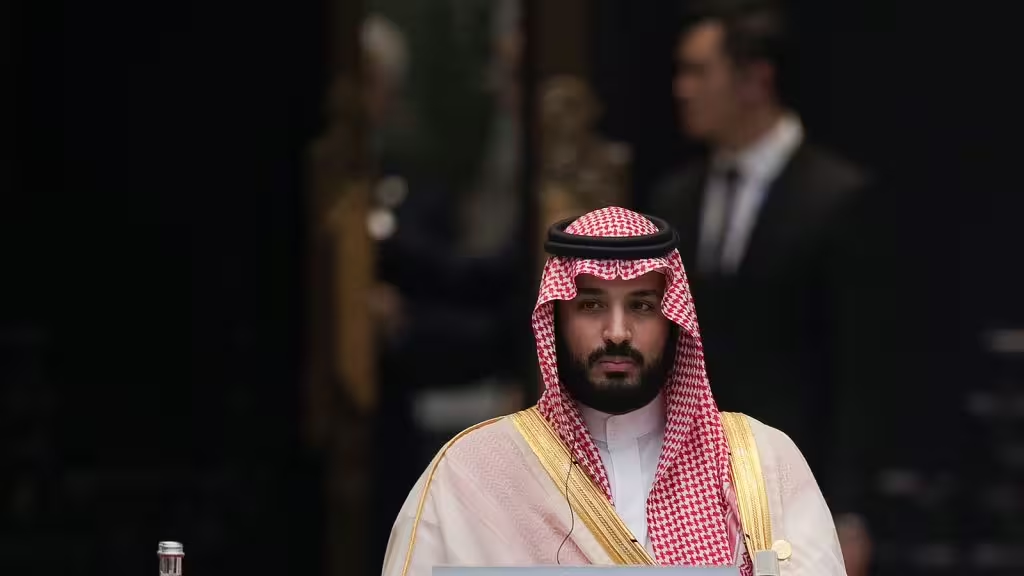
- The domestic picture: Mohammed bin Salman has largely stayed out of public view since the Houthi attack on Riyadh airport, the magazine reported. The attacks unsettled Saudi society and disrupted parts of daily life, and with no reliable public polling available, the magazine estimated most Saudis still trust their government.
- No threat to his rule: Western diplomats in Riyadh discounted the idea that the crisis threatens the crown prince’s hold on power, with one saying his position seven or eight years ago was far harder, during the stalled Yemen war, the Qatar rift and the fallout from Jamal Khashoggi’s killing.
- A critic shifts: Democratic Senator Chris Murphy, who met the crown prince in Riyadh in October, acknowledged the situation differs from 2018 and 2020 and that Saudi Arabia faces Houthi advances and missile attacks warranting recognition of the threat, the magazine reported.
Background:
The Economist assessed that Mohammed bin Salman has sidelined rivals and concentrated power to a degree unseen since King Abdulaziz, founder of the modern Saudi state, and that no opponent has any realistic capacity to organise a coup against him.
Between the lines:
The three options described to the magazine share one feature: none ends the war on Riyadh’s terms. With interceptor stocks short, a contracting economy and foreign investment at a third of target, the cost of a prolonged confrontation falls on the transformation programme itself. Murphy’s shift suggests sympathy in Washington is growing faster than any commitment to act on it.
What’s next
Watch the November 3 US midterms and whether Trump resumes strikes on Iran afterwards, plus Saudi foreign direct investment figures against the 100 billion dollar target and any revision to the IMF’s 3.3% contraction forecast.