The latest:
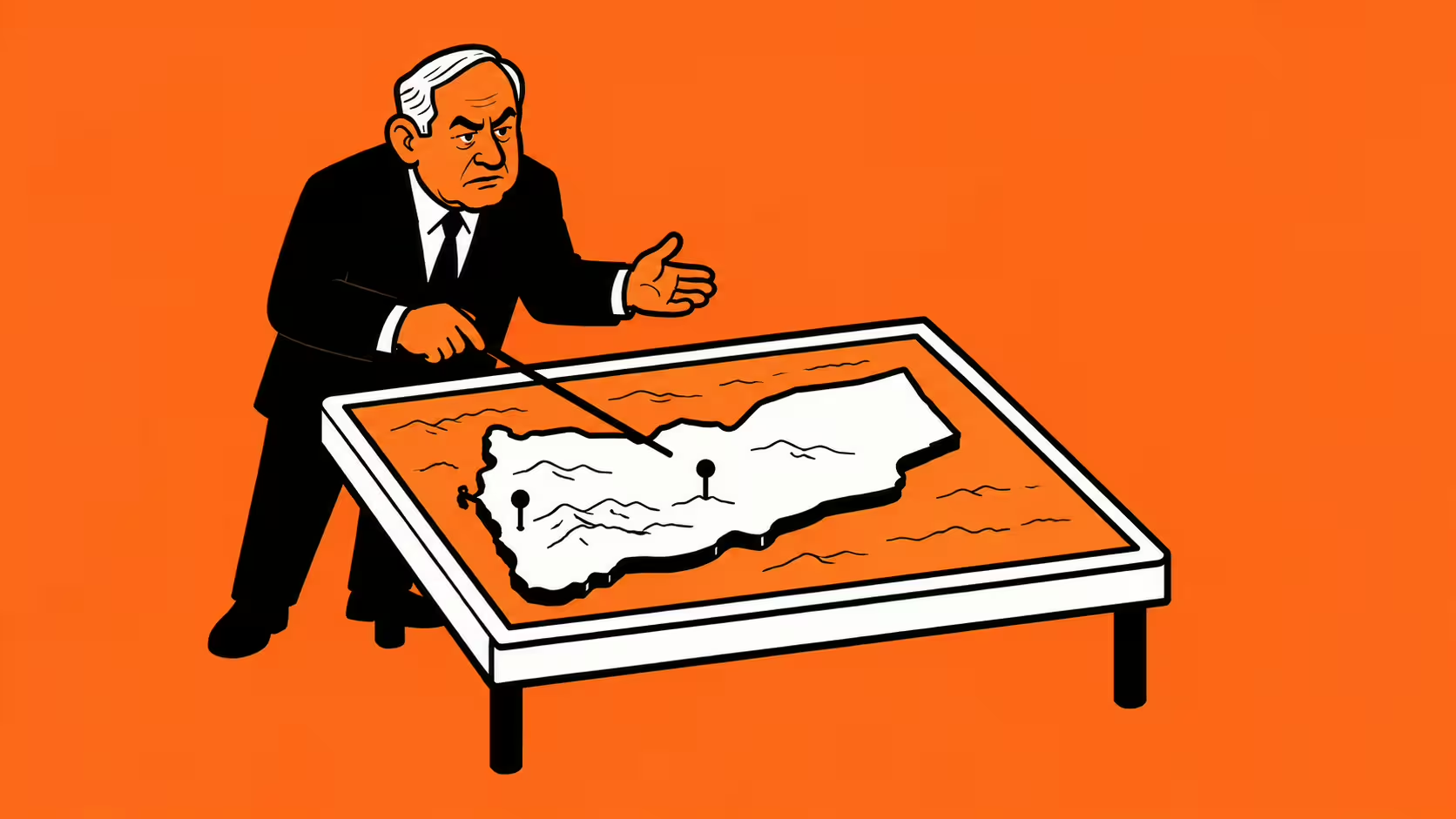
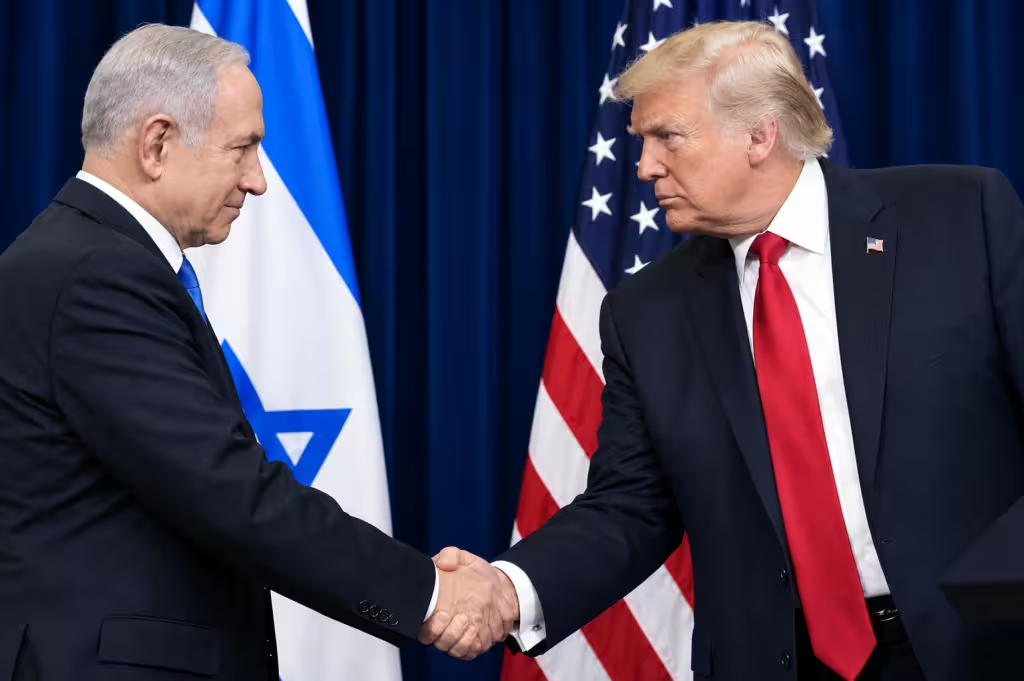
The United States could finish the job against Iran soon unless Tehran changes its behavior, Trump wrote on Truth Social, saying the country had been systematically destroyed militarily and financially. Netanyahu, who told Israeli reporters that bringing down the Iranian government remains a central objective, answered the American endorsement by saying the two would complete the mission together.
Details:
- Trump’s endorsement: Trump gave Netanyahu what he described as his full and complete backing ahead of Israel’s October 27 election, tying the military track to the prime minister’s political survival and framing the campaign against Iran as unfinished rather than concluded.
- The warning on succession: Trump said that if Netanyahu failed to stay in power and the wrong leader took over in Israel, America would have to do the job itself — an unusually direct American intervention in an allied country’s election campaign weeks before voting.
- Netanyahu’s claim: In a briefing with Israeli journalists, Netanyahu said 90% of the work needed to defeat Israel’s enemies was complete, and that he had instructed the security services to pursue the fall of the Iranian government. He said Israel is ready to act independently of Washington if needed.
- His evidence: Netanyahu pointed to Iran’s economic crisis and the protests inside the country as proof of what he called the government’s weakness. He did not set a timeline, name a mechanism, or specify what Israeli action to bring down the Iranian system would involve.
- Tehran’s reply: Foreign Minister Abbas Araghchi attacked Trump’s finish-the-job language, saying Iran had emerged stronger from the earlier confrontation. On X he wrote: “Want to try your luck again? Be my guest. But be careful; we also have unfinished business.” He accused Netanyahu of dragging Washington into another war for political gain.
- Iran’s military signals: Parliament approved Mehrdad Akhlaghi Ketabchi, a veteran of the missile and space industries, as defense minister. Armed forces chief of staff Ali Abdollahi said any new attack would draw a harsher response than before, and a Revolutionary Guard spokesman threatened Israel if Iranian energy infrastructure is hit.
- Diplomacy still open: Araghchi said Iran’s September proposal to reopen the Strait of Hormuz for seven days remains on the table while Tehran studies Washington’s reply. Under it the strait reopens on day six and talks begin on day seven if Washington accepts Iran’s terms.
- The gap in terms: Iran’s conditions include lifting the American blockade on its ports, removing oil export sanctions and ending regional hostilities. Washington wants deep cuts to uranium enrichment, while Tehran wants opening talks limited to maritime security and oil flows through the strait.
- Gulf position: Gulf Cooperation Council foreign ministers, meeting in Bahrain, condemned continued Iranian missile and drone attacks on member states, demanded they stop immediately, and said any understandings with Tehran must cover the nuclear, missile, drone and proxy files with GCC states at the table.
Between the lines:
The endorsement and the threat are the same message. By saying America would act alone under a different Israeli leader, Trump framed the Iran campaign as dependent on Netanyahu’s survival to October 27, while Netanyahu’s reply that the mission would be completed together converts American backing into campaign material. Araghchi’s accusation that Netanyahu is pulling Washington into war reads the same alignment from the opposite side.
What’s next
Israel votes on October 27. Watch Washington’s answer to Iran’s seven-day Hormuz proposal, the terms Tehran attaches to resuming talks, and whether the GCC secures a seat in any negotiations touching its security.