The latest:
A two-phase operation to seal and search Jurf al-Sakhar was suspended at dawn Thursday after Kataib Hezbollah’s secretary-general Abu Hussein al-Hamidawi threatened to fire on any force entering without his approval, security sources told Al-Mada. Troops began withdrawing at 8 a.m. The investigative committee turned back without reaching a single site.
Details:
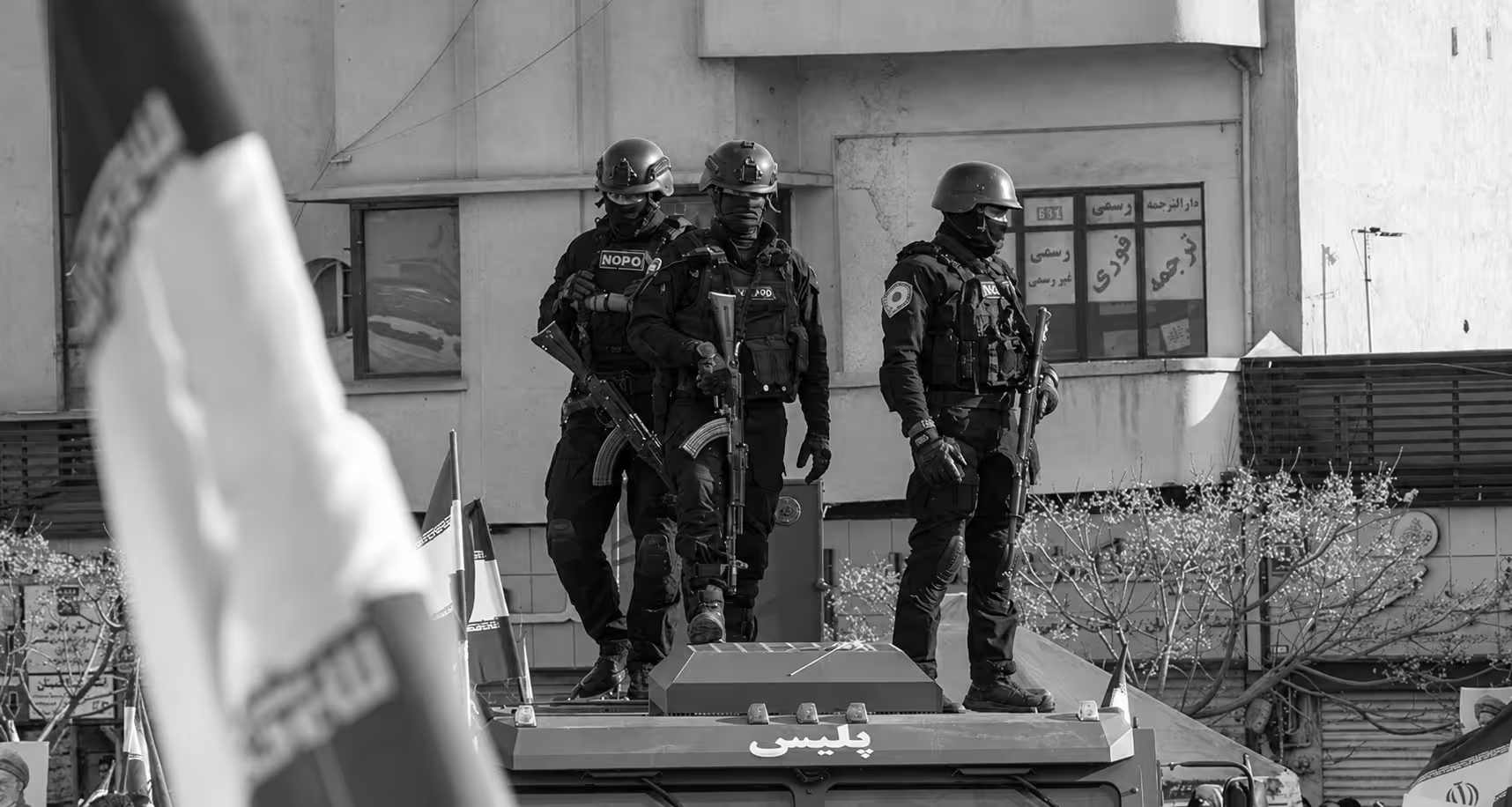
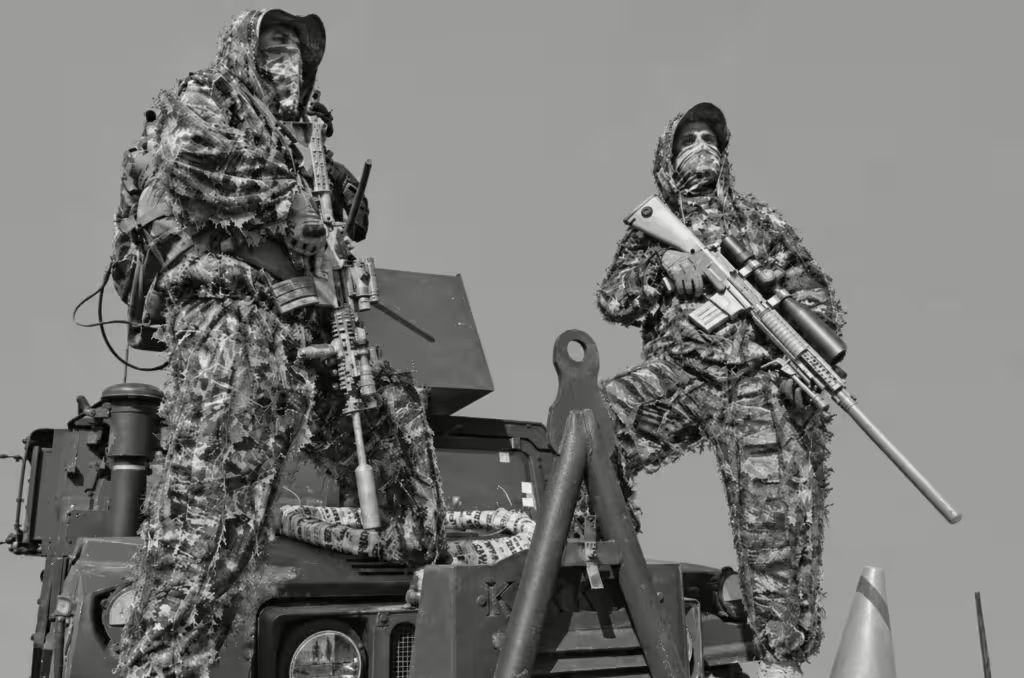
- The deployment: Joint units from the Counter-Terrorism Service, special forces, the army and the Federal Police moved toward the perimeter of Jurf al-Sakhar, north of Babil, with the operation set to begin at 5 a.m. Thursday, Al-Mada’s security sources said. Forces also deployed near Kataib Hezbollah offices inside Baghdad.
- The threat: Al-Hamidawi rejected the committee in its current form and demanded it be chaired by the Popular Mobilization Authority rather than placed under Abdul Amir al-Shammari, the sources said. Kataib Hezbollah fighters took positions outside their headquarters and on rooftops as the possibility of direct clashes rose.
- The mediation: Nouri al-Maliki, Hadi al-Amiri and Yasser Sakhil opened intensive contacts with the government and the faction’s leadership, Al-Mada’s sources said. The result was an order to stop the advance and cancel any raids on Kataib Hezbollah premises in Baghdad until the dispute over the chairmanship is settled.
- The parallel account: Sources told Al-Arabiya and Al-Hadath that Zaidi ordered the pause to give Coordination Framework leaders room to reach understandings allowing Defence and Interior forces in without a confrontation, while instructing units to stay at combat readiness should talks fail.
- The intelligence file: A 19-page report stamped top secret, produced by Directorate 800 of the Federal Intelligence and Investigations Agency and obtained by Kurdistan 24, draws on satellite imagery from 13 dates over five years. Analysts logged 105 tanker sightings at four sites, including 21 beside an oil-stained pit in October 2022.
- What it cannot prove: No one visited the sites. The pipeline breach is classed as probable, analysts could not determine whether the tankers carried crude or refined fuel, and the file sets no volume and no loss figure beyond severe losses. It names only an armed faction, never the group itself.
- The checkpoints: The report maps three transport routes into Baghdad province, one east via the Musayyib bridge and two west through Amiriyat al-Fallujah. Kurdistan 24 counted more than a dozen marked checkpoints along them, including Bzeibez bridge and Fallujah’s southern entrance, without explaining how loaded tankers passed.
- The contradiction: Interior Ministry energy police chief Dhafer al-Husseini said in December that smuggling fell 98% during 2025 and pipeline breaches had reached zero percent, repeating the zero figure in February for early 2026. The classified file from the same ministry covers the same months.
- The resignation: Babil governor Ali Turki quit Thursday after rejecting the report, saying the mapped location was an old fuel station called Al-Madina al-Munawara serving Federal Police and PMF vehicles. A source told 964media that Asaib Ahl al-Haq leader Qais al-Khazali pushed for his removal; Khazali had not commented publicly.
- The committees: Zaidi ordered an investigative committee combining the Federal Police, energy police, the Federal Integrity Commission, federal intelligence and the Popular Mobilization Authority. Speaker Hibat al-Halbousi formed a parliamentary panel the same day, also examining alleged smuggling from Kirkuk and Kurdistan through Iran to Afghanistan. Neither has reported findings.
Background:
Jurf al-Sakhar was retaken from the Islamic State in 2014 and renamed Jurf al-Nasr. It has been under tight security restrictions ever since, with many displaced residents still unable to return, and is widely described as a Kataib Hezbollah stronghold.
Between the lines:
The fight is over who supervises the search, not whether one happens. Hamidawi’s demand that the PMF chair the committee would place the inspection under a body that includes the faction’s own brigades. That Maliki and Amiri, not the prime minister’s office, defused the standoff suggests Zaidi’s authority inside the district runs through the Coordination Framework rather than through his command of the armed forces.
What’s next
Watch whether the committee’s chairmanship is reassigned, whether forces still positioned around Jurf al-Sakhar and near Baghdad offices advance again, and whether the Oil Ministry produces pipeline pressure-drop records matched against the imagery dates.