The latest:
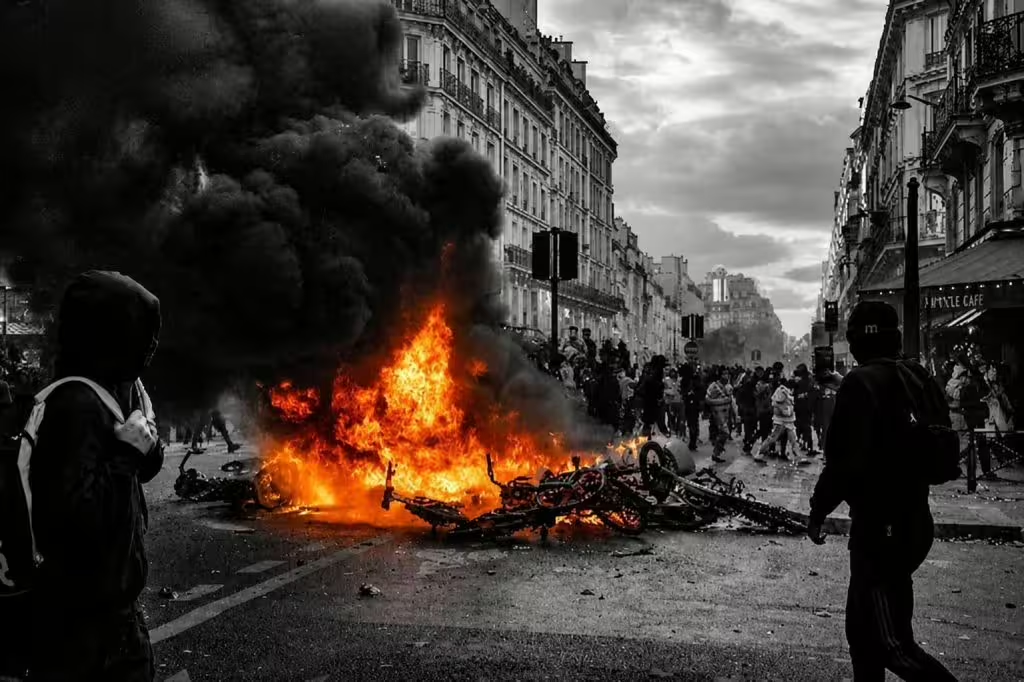
Curfews took hold overnight in parts of Paris, Nice and Lille, hours after the government conceded it had been overwhelmed by the worst looting and street violence France has seen in years. Prime Minister Sébastien Lecornu ruled out a blanket Paris curfew but did not rule out a state of emergency, telling a news conference his determination to restore order was absolute.
Details:
- The Paris order: Paris police ordered a curfew from 11pm Monday to 6am Tuesday covering Place de la République, where much of the weekend violence took place, and the Les Halles shopping district targeted by looters. Demonstrations were banned from 8pm in more than a dozen zones, including around the presidential palace, both chambers of parliament and several train stations.
- Beyond the capital: According to Reuters, a source in Lecornu’s office said curfews for minors would run from 8pm to 6am over the next two days in Lille, Douai, Wattignies and Denain, agreed with local mayors. Nice mayor Eric Ciotti said he signed an overnight curfew for minors in the city centre. Marseille banned all gatherings.
- The damage: The government estimated at least 3,000 businesses were looted nationwide over the weekend, double the figure the trade and distribution federation announced on Sunday. The federation put the number of damaged shops at close to 3,000 and called for affected companies to be exempted from social security contributions and taxes.
- The toll: The interior ministry reported roughly 2,400 arrests, nearly 1,000 police officers injured and one protester dead of cardiac arrest on Saturday. The Paris police chief said 351 people were detained in the capital on Sunday alone. Around 200 investigators are working in Paris to track down looters, Lecornu said.
- Trump’s comments: US President Donald Trump told reporters Monday evening he had long warned Macron that France was making a big mistake by letting the whole world in, adding that Paris would soon become a Muslim city. He contrasted that with the United States, saying: “We are closing our borders. They did not.”
- The admission: Interior Minister Laurent Nuñez apologised on national radio, saying police had not been prepared for the scale of the rioting. He said he offered his resignation to Macron, who refused it and instructed him to end the barricades and looting and be transparent about the security failures. Justice Minister Gérald Darmanin said there had been an intelligence failure.
- The blame fight: Lecornu attributed the violence to a shadowy far-left movement he said wanted to provoke deep disorder before the presidential election. Far-left presidential candidate Jean-Luc Mélenchon demanded he produce evidence, writing on X that otherwise he should apologise, stay silent and stop fanning the flames.
- Mayors revolt: Marseille mayor Benoît Payan accused the government and police of handing France’s second city to looters and rioters, demanding explanations and compensation down to the last cent. The mayors of Paris, Marseille and Lyon wrote jointly in Libération that for the first time they felt entire parts of their cities had been left unprotected.
- Relief measures: Lecornu said workers hit by the riots can claim partial unemployment payments from Tuesday, that temporary tax and contribution exemptions begin the same day, and that the government is pressing insurers to speed up payouts. A Senate committee announced an inquiry into the law enforcement and judicial response to assign responsibility.
- The origin: The unrest grew out of student protests launched last month over the state of secondary schools, later joined by trade unions raising living costs and fuel prices. Hundreds of thousands marched before unidentified groups attacked government buildings and looted shops on Saturday, six months before the presidential election.
Background:
Nuñez said about 60,000 police and security personnel were deployed on Saturday, but acknowledged that was not enough to control crowds that turned violent. Similar cost-of-living protests have hit Italy, Belgium and Albania, and European governments have advised citizens travelling to France to avoid large gatherings.
Between the lines:
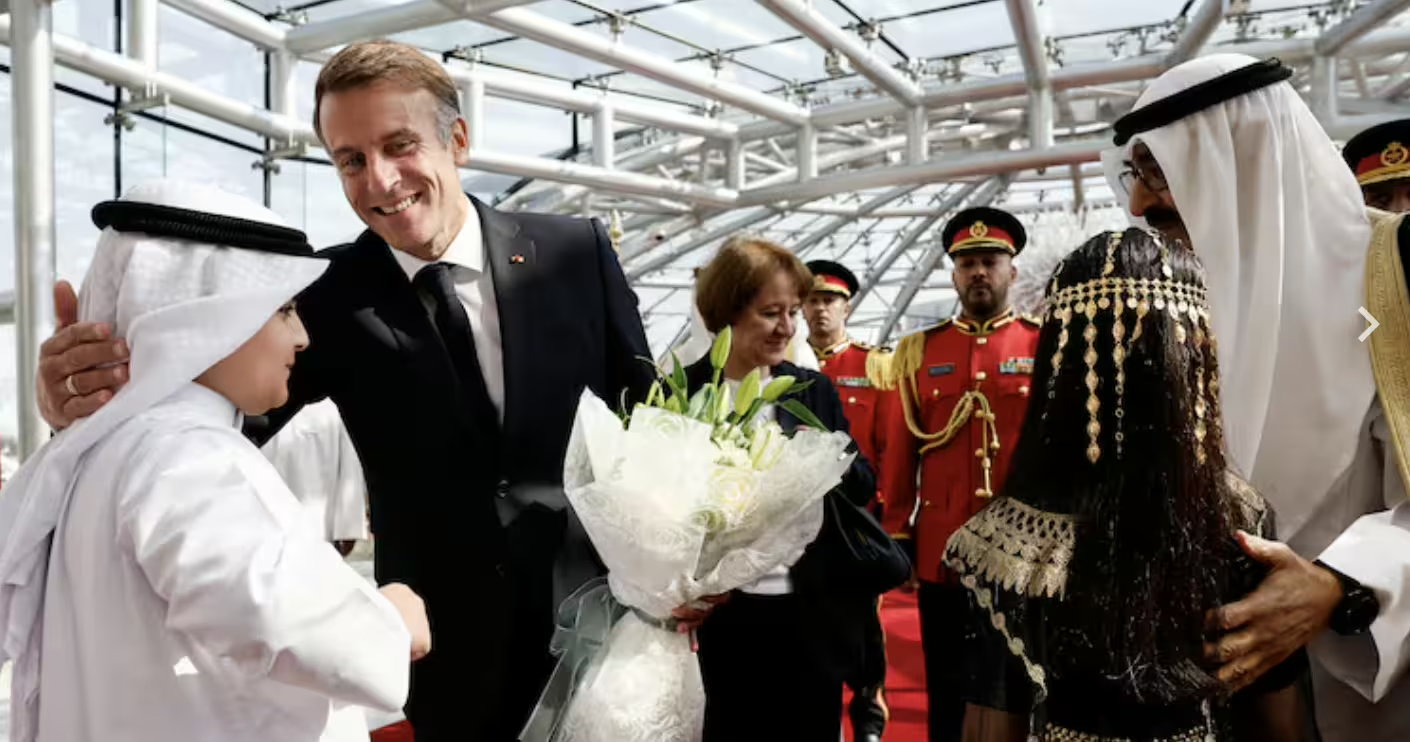
The split between Lecornu’s defence of the police and the two ministers conceding failure points to an unresolved government line on what went wrong. With Macron abroad in Kuwait seeking fuel supplies to lower prices, the political cost falls on a cabinet already facing a Senate inquiry, angry mayors from its own centre-left flank, and an election in six months.
What’s next
Nuñez said police numbers would be reinforced nationwide, especially this coming weekend. Unions have called fresh strikes and marches for 5 November. Students plan further gatherings at the Louvre and Sciences Po. PSG hosts Barcelona on Tuesday as scheduled.