The latest:
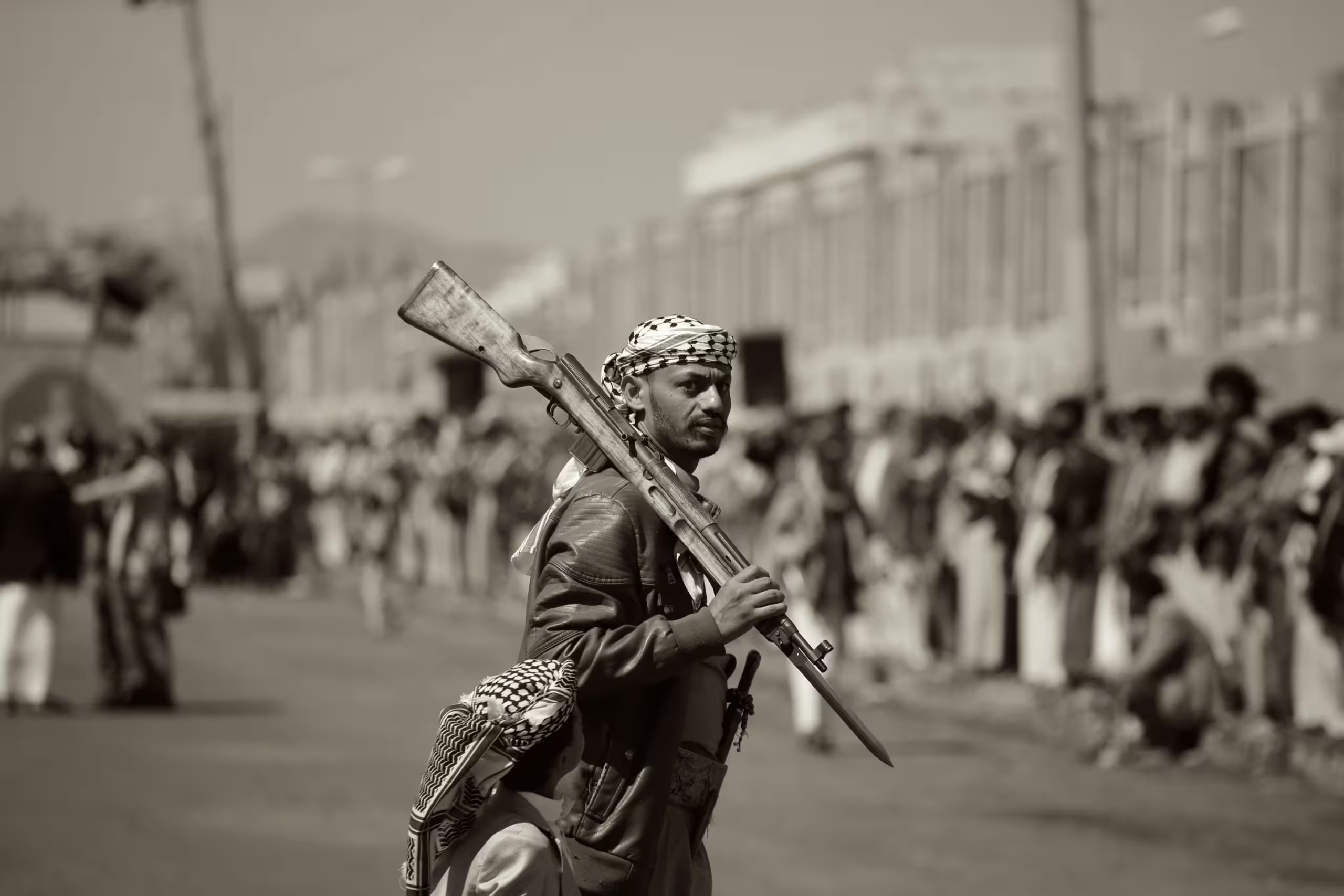
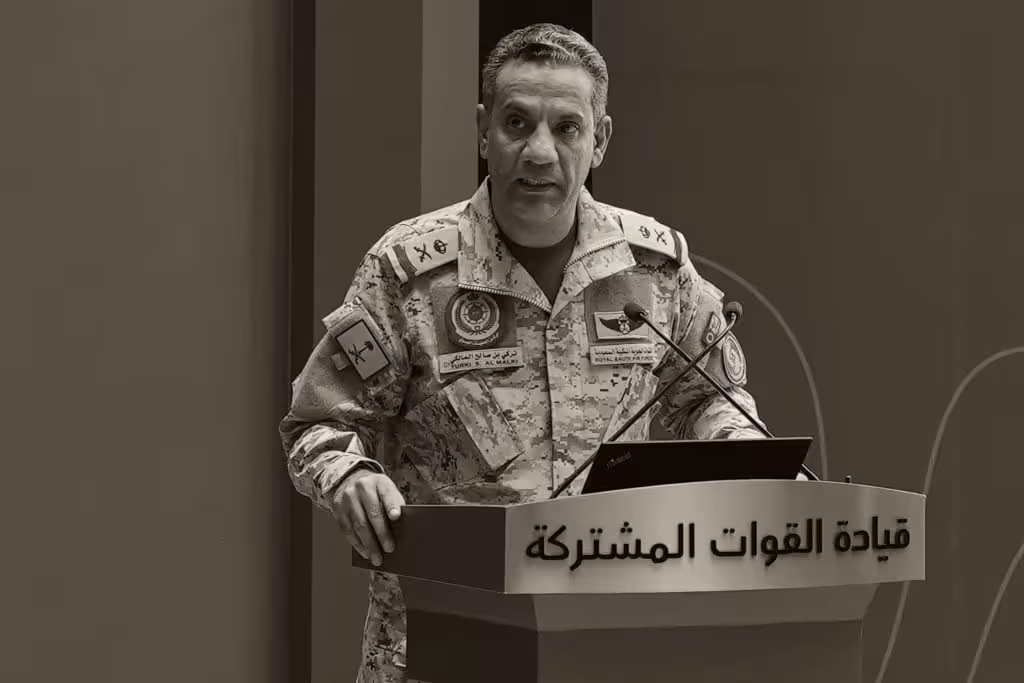
Houthi fighters have attacked King Khalid International Airport in Riyadh 20 times this month, killing 17 people and wounding 333, coalition spokesman Turki al-Maliki told reporters Thursday. He said attacks on Abha airport near the Yemeni border killed three and wounded 28, and that the rebels now field advanced weaponry supplied with outside help.
Details:
- The numbers: Al-Maliki said the Riyadh strikes this month killed 17 people and wounded 333, making King Khalid International — one of the kingdom’s most important aviation hubs — the costliest target of the campaign. Separate strikes on Abha airport in the southwest killed three and wounded 28.
- The weapons claim: Al-Maliki said the Houthis acquired advanced military technology with help from what he called regional actors, including ballistic missiles, drones and fast boats loaded with explosives. Iran has supplied the group with weapons, money and training, though Tehran has officially denied arming them in violation of the UN arms embargo.
- The Saudi response: Al-Maliki said the coalition destroyed 127 weapons storage facilities and launch platforms in Yemen’s mountainous areas, and called on the Houthis to halt operations targeting civilians and civilian infrastructure immediately. He did not give a timeframe for the strikes.
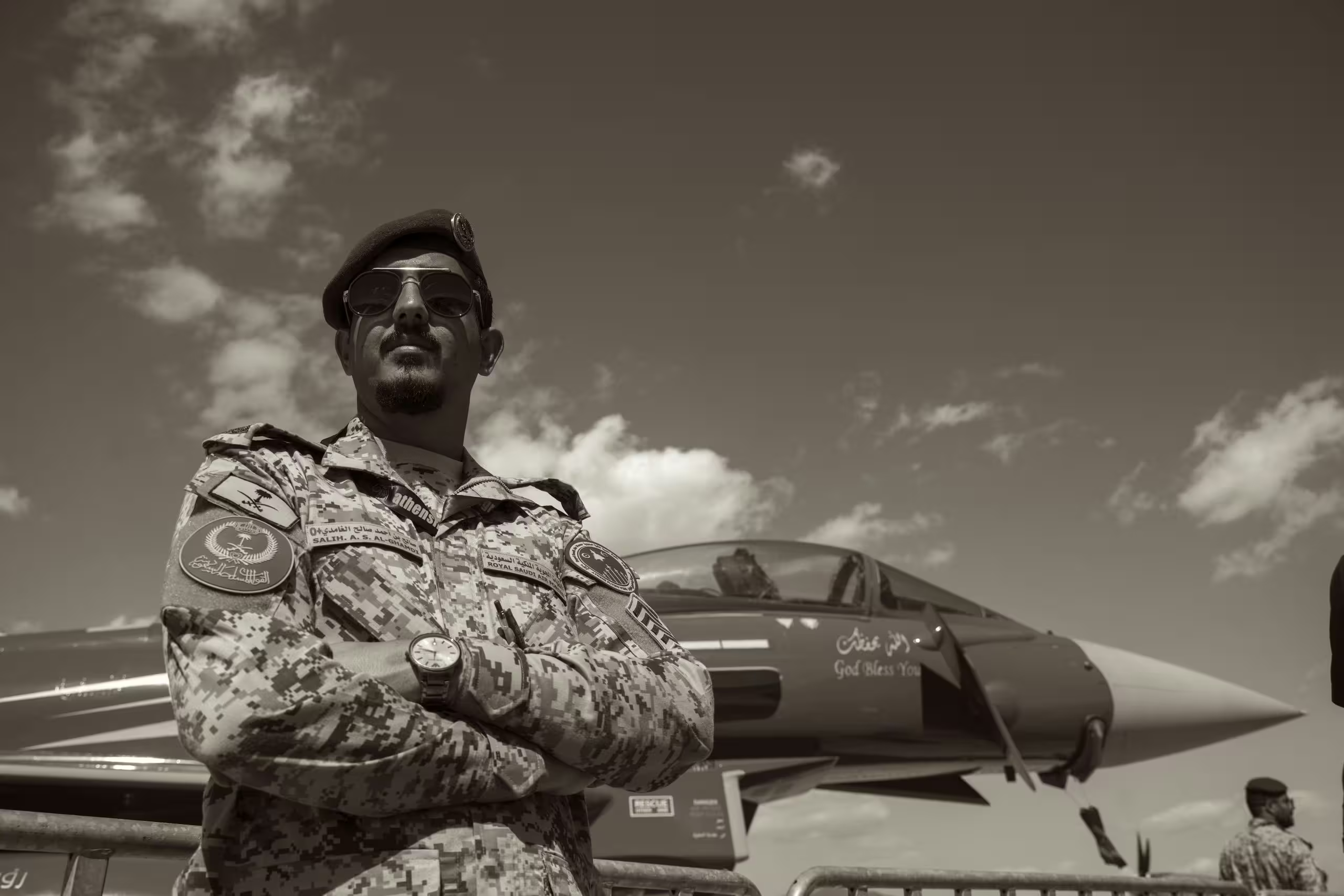
- Air defenses: The coalition said Thursday it intercepted a drone over Khamis Mushait in the southwest, near a major air base, and a cruise missile over Medina province. Saudi authorities also reported downing a drone over the Eastern Province, the kingdom’s main oil-producing region.
- The denial: Houthi military spokesman Brigadier General Yahya Saree denied the rebels carried out the Medina province attack. The group had previously pledged not to strike airports in Mecca and Medina, and Saree renewed a warning to airlines that Saudi airspace and airports are unsafe, excluding the skies over the two holy cities.
- Aden under fire: The Yemeni government said Houthis fired missiles and drones at the Maashiq palace compound in Aden on Thursday, seat of the internationally recognized government. Health Minister Qassem Buhaiba reported five killed and 16 wounded, including guards and civilian staff. Witnesses reported at least six explosions near the hilltop site.
- Conflicting toll: An official not authorized to speak publicly told the Associated Press at least two people were killed and six wounded in Aden. Information Minister Moammar al-Eryani confirmed the prime minister and cabinet members were unharmed; another official said many government leaders live abroad.
- The Houthi account: Saree said fighters shelled what he described as a Saudi military operations headquarters in Aden, under the group’s declared policy of hitting Saudi reinforcements wherever they are. Houthi-run media claimed the site is run by Saudi officers and holds weapons depots. Reuters could not independently verify the claims.
- Aviation impact: Flightradar24 reported dozens of flights cancelled or delayed at Jeddah airport, and thousands of flights across the kingdom have been disrupted. The governing council of the UN’s International Civil Aviation Organization condemned the recent attacks on Saudi civilian airports, aircraft and aviation infrastructure.
- Inside Yemen: The Saudi-backed health ministry said 120 people were killed and 307 wounded in fighting through October 5, with most deaths in Taiz, Saada and Jawf. The World Food Programme said it can no longer reach more than 600,000 aid-dependent people in Houthi-besieged Taiz.
Background:
Yemen’s war began in 2014 when the Houthis seized Sanaa, pushing the government south. A Saudi-led intervention the following year produced a bloody stalemate until a 2022 truce, which held until this year. Fighting resumed last month.
Between the lines:
The coalition’s decision to publish casualty figures from Riyadh and Abha, alongside its 127-target strike tally, frames the air campaign as defense of civilian aviation rather than escalation. The Houthi denial over Medina, paired with Saree’s airline warning excluding Mecca and Medina, suggests the group is managing the political cost of striking near the holy cities while keeping the rest of Saudi airspace contested.
What’s next
Watch whether government forces extend last week’s gains near the Bab al-Mandab strait, whether ICAO moves beyond condemnation, and whether the Houthis strike the Eastern Province oil region again after Thursday’s intercept.