Key Points
- Israeli security sources say roughly 3,000 American troops are currently deployed inside Israel.
- Washington is preparing to send additional forces and aircraft in the coming weeks, the sources said.
- The buildup signals both sides are planning for a confrontation with Iran that could escalate quickly.
The latest:
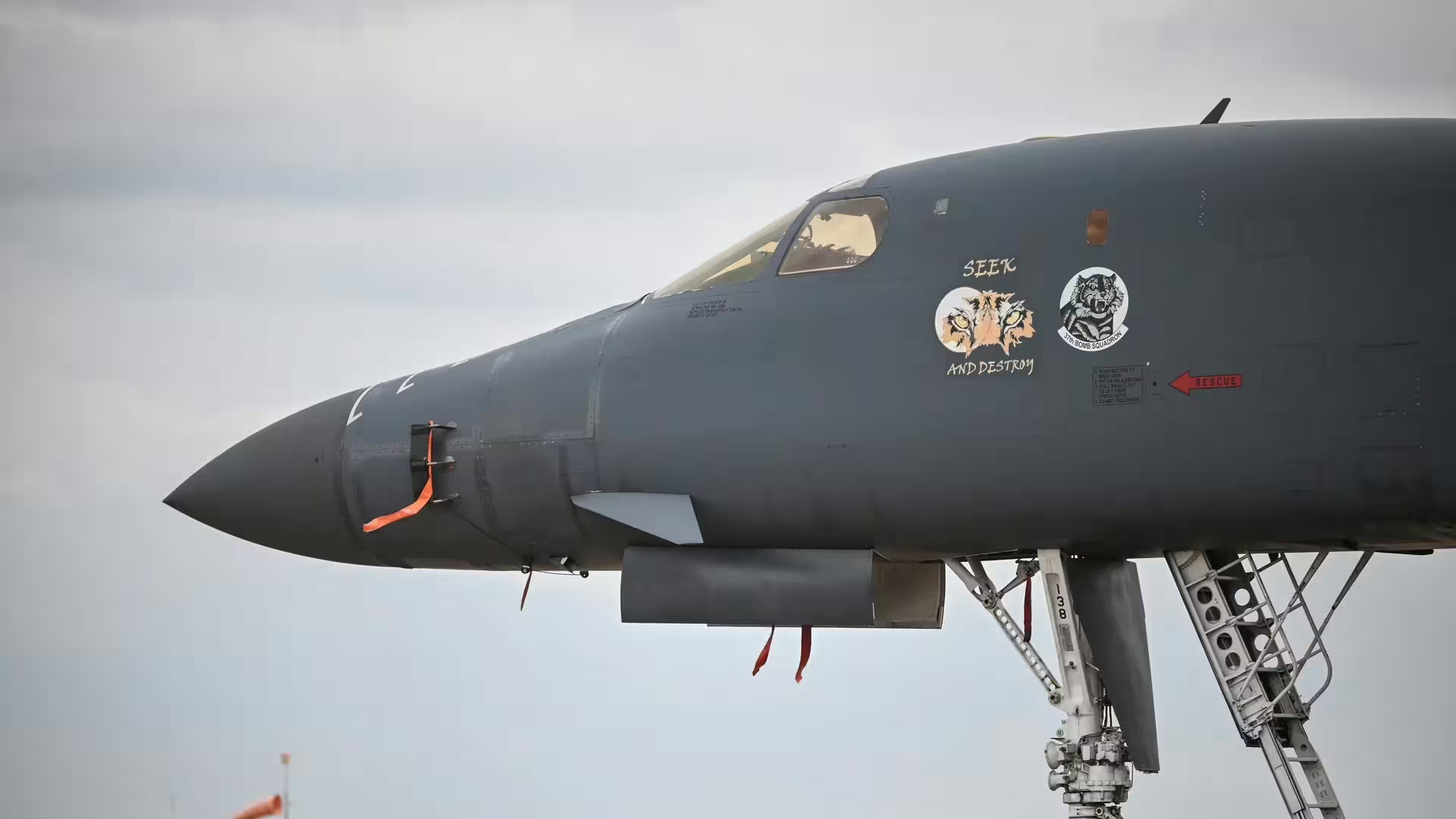
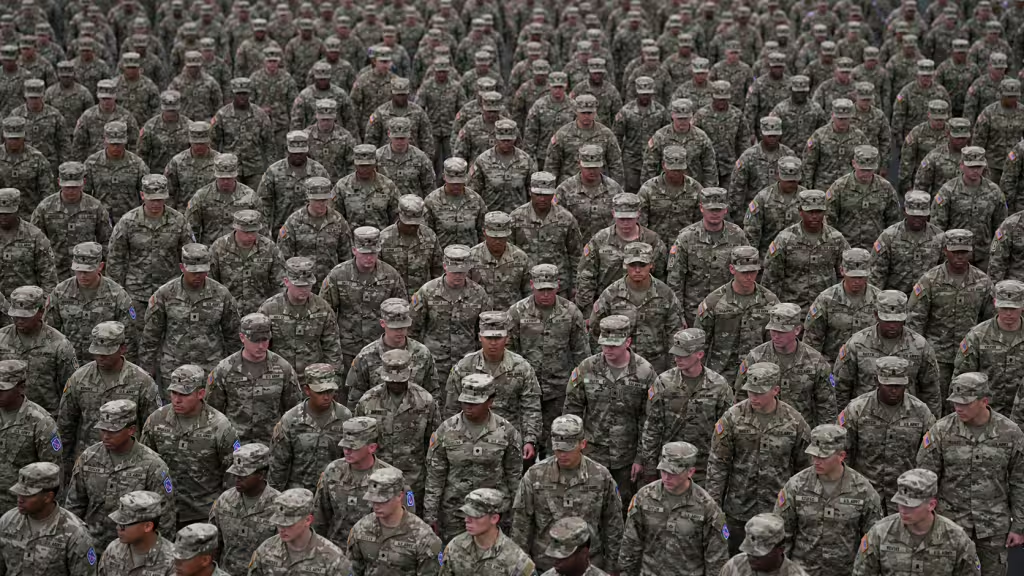
Roughly 3,000 American troops are now deployed inside Israel, Israeli security sources told the Israeli outlet Walla on Sunday, with additional forces and aircraft expected in the coming weeks. The sources said the troops operate air-defense systems and that the Israeli military is preparing for the possibility of a confrontation with Iran that deteriorates rapidly.
Details:
- The numbers: Israeli security sources put the current US presence at about 3,000 personnel, according to Walla. The sources did not break down the figure by unit or specify where in Israel the troops are stationed.
- Their missions: The American contingent handles multiple tasks, the sources said, including operating air-defense systems, alongside pilots, support teams, logistics personnel and staff from the general command. No single mission was identified as the primary one.
- Rotations underway: The sources said the US military has been carrying out periodic troop rotations in Israel in recent weeks as some units reach the end of their deployment windows, with additional forces and aircraft possibly arriving in the weeks ahead as part of preparations for rising regional tension.
- Israeli planning: A senior Israeli security official told Walla the military is preparing for a confrontation with Iran that could deteriorate quickly. Internal deliberations are focused on how Israel would act if forced to launch a broad strike, including which targets the military establishment believes could affect the Iranian leadership.
- Coordination with CENTCOM: The Israeli military is maintaining continuous coordination with US Central Command in preparation for the possibility that Iran launches surprise missile attacks on Israel, according to Walla. The report did not describe the scope of that coordination.
- The election factor: The senior official said Israel’s adversaries are watching the elections in both Israel and the United States and studying whether to influence them through attacks aimed, in his assessment, at “unsettling the domestic scene without reaching a wide confrontation.”
- Deterrence claim: The same official added that Israel’s adversaries understand the Israeli response this time would be extremely aggressive, Walla reported. He gave no indication of what specific capabilities or targets that assessment was based on.
- Tehran’s calculus: Iran is watching how prepared Washington is to enter a confrontation and factors that into how it manages its negotiations, Walla reported, as Tehran faces mounting economic pressure from US sanctions. Israeli assessments hold that the economic squeeze may shift Iranian calculations.
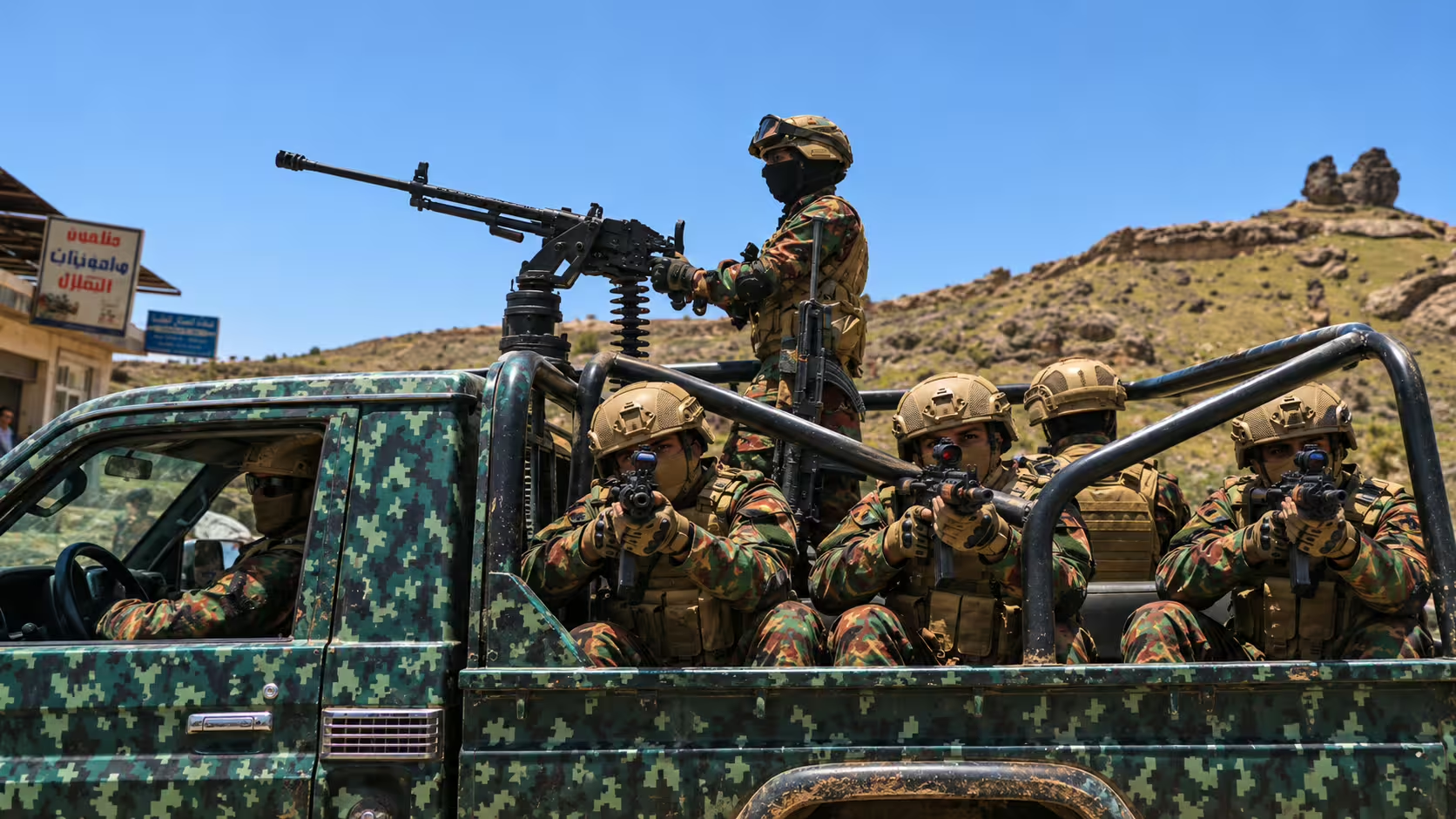
- The Yemen front: Israeli military officials told Walla the confrontation with the Houthis could become a regional opportunity to move other files in the region. A senior security official said Israel believes parties staying out of the fight now may later face the Houthis alone.
Between the lines:
Two tracks run in parallel in the Israeli account: a US force posture described as defensive, built around air defense and rotations, and an Israeli military planning process focused on offensive target selection. The senior official’s framing of adversary attacks as calibrated to unsettle rather than escalate suggests Israeli assessments still treat a wide war as avoidable, even while CENTCOM coordination prepares for surprise missile salvos.
What’s next
Watch whether the additional US forces and aircraft the sources described actually arrive in the coming weeks, any shift in Israel’s alert level, and whether behind-the-scenes efforts to restart Iran-US negotiations produce a resumed track.
Source: