Key Points
- Iran says negotiations, not force or sanctions, are the only path to end the war.
- Hormuz restrictions and a US counter-blockade have shifted diplomacy toward maritime security.
- Continued disruption threatens Gulf energy exports and major import-dependent economies.
The latest
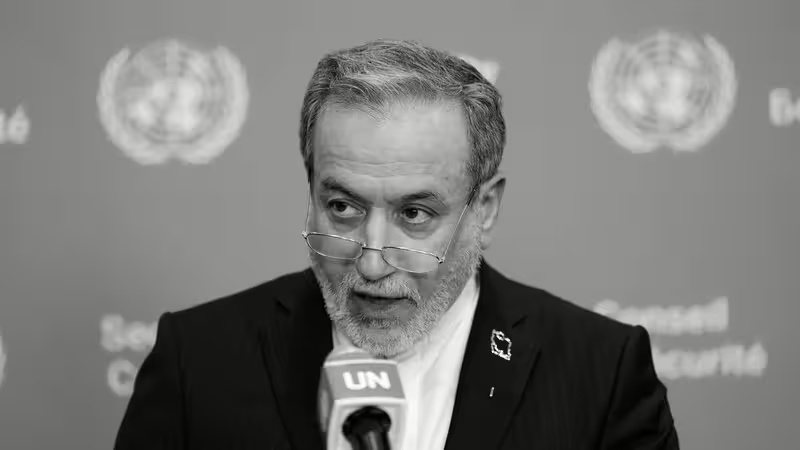
Iranian Foreign Minister Abbas Araghchi said Sunday there was no military solution to the war with the United States, casting negotiations based on “justice and fairness” as the only viable route to an end. Addressing foreign ambassadors, he also warned that Iran would respond more forcefully if its enemies returned to military confrontation. His remarks came as diplomacy appeared increasingly deadlocked and the Strait of Hormuz emerged as the conflict’s main pressure point.
Details
- Negotiating terms: Iranian and American officials held indirect talks last week on the sidelines of the United Nations General Assembly. Tehran presented seven conditions for reopening Hormuz, including a region-wide ceasefire, unfreezing Iranian assets abroad, lifting oil-sector sanctions and ending the US naval blockade. Foreign Ministry spokesman Esmaeil Baqaei said Iran’s focus was Hormuz and linked reopening to restored Iranian commercial traffic.
- Shipping attack: UKMTO said a tanker in the strait reported being hit Sunday by an unidentified projectile, damaging its engine room. The crew was safe and no environmental damage was recorded.
- Competing leverage: Iran has sought to restrict vessels passing without authorization, while the United States has imposed a counter-blockade on Iranian ports and struck ships it accuses of breaching restrictions. Washington wants Hormuz reopened within a broader settlement covering Iran’s nuclear capabilities and regional military activity; Tehran ties access to sanctions relief and an end to naval pressure.
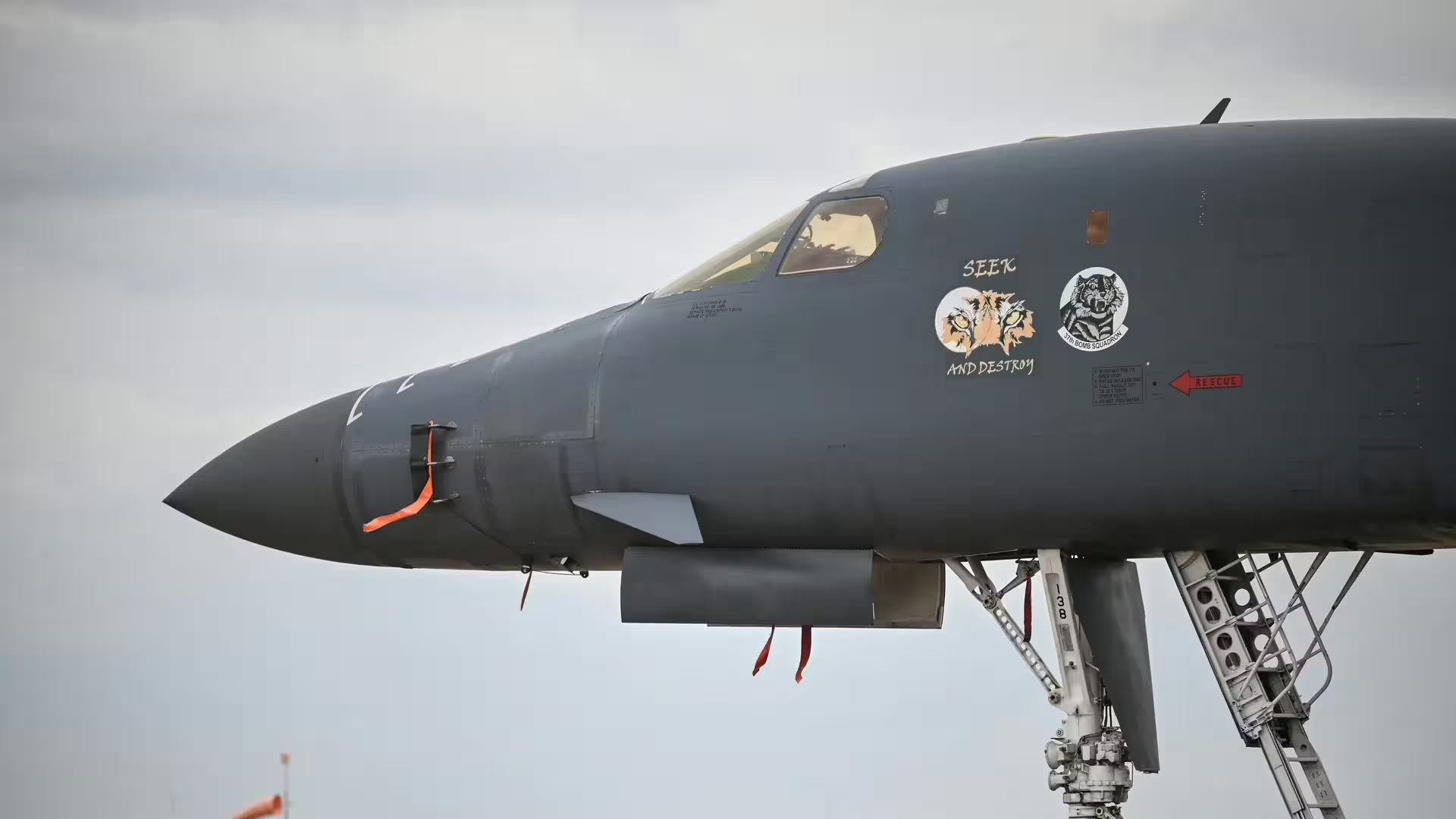
- Military pause: The United States has not struck Iran since September 1 but has continued strengthening its regional military presence. President Donald Trump rejected Tehran’s current proposal while leaving further talks open. Deputy Foreign Minister Kazem Gharibabadi said Iran was reviewing Washington’s response internally and preparing for other scenarios.
- Domestic strain: Long lines reportedly formed at Iranian fuel stations as the war disrupted energy distribution. President Masoud Pezeshkian’s administration announced that Oil Minister Mohsen Paknejad had resigned. Hamid Bovard, managing director of the National Iranian Oil Company, was appointed acting minister by presidential decree.
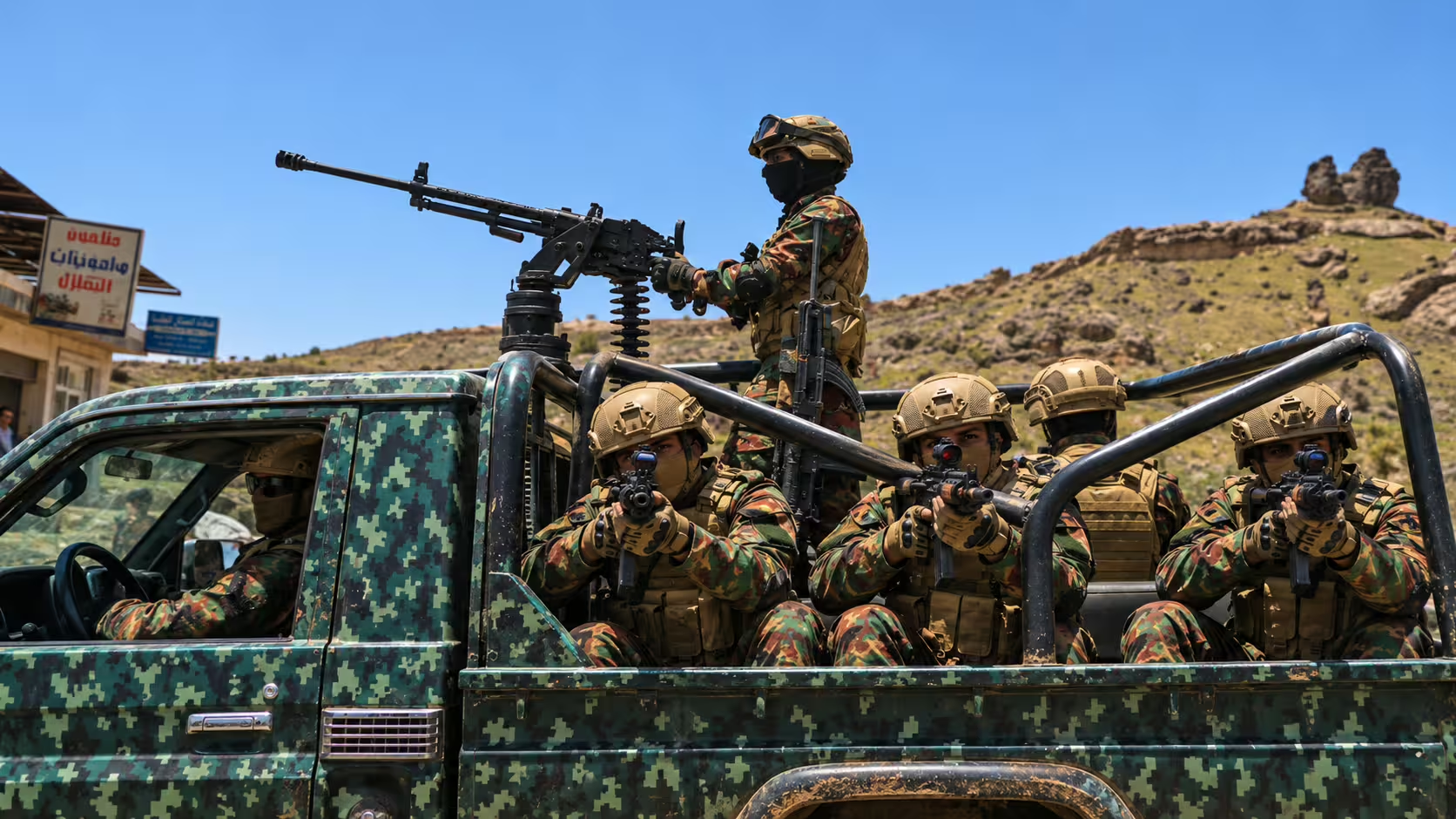
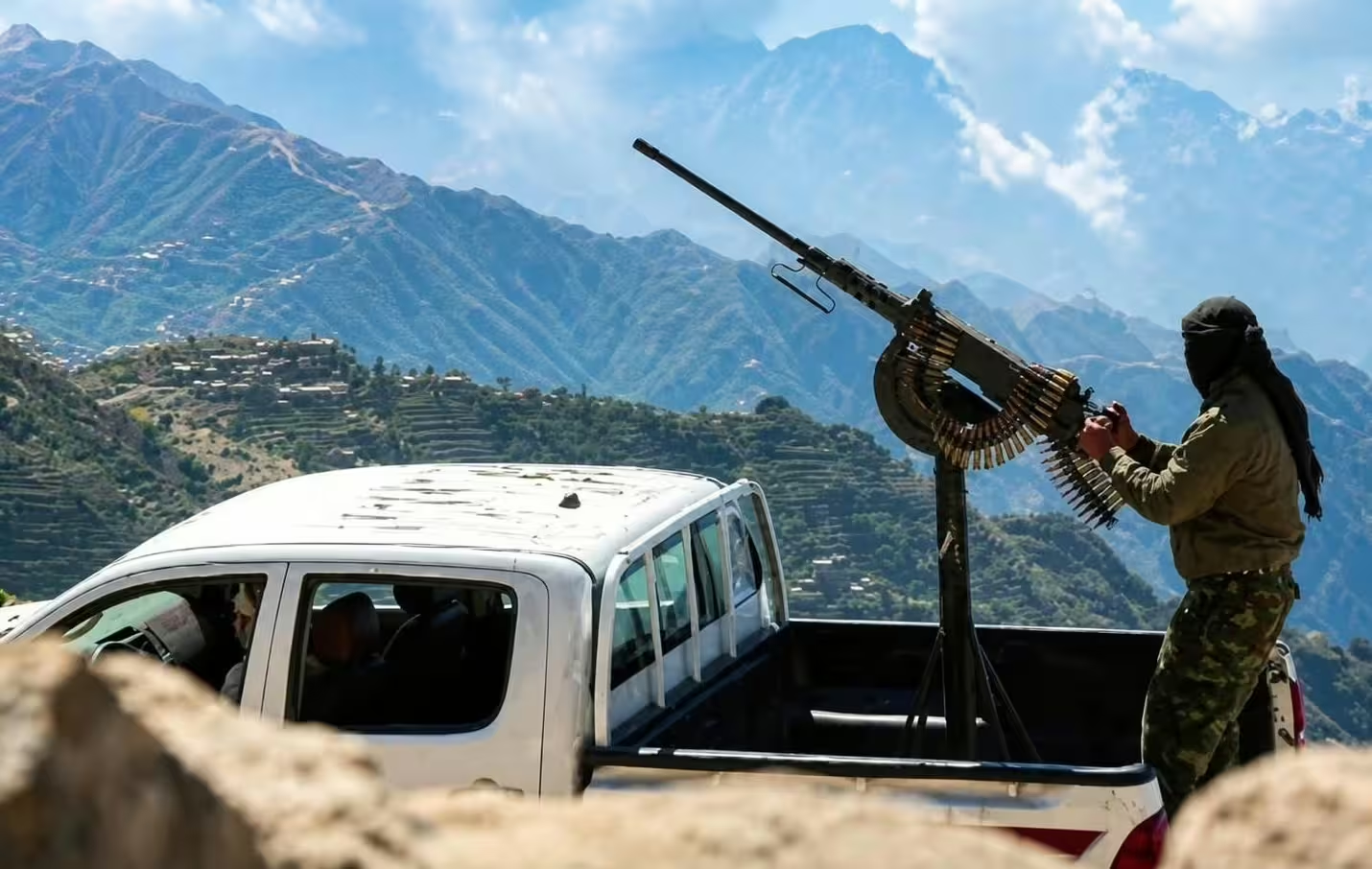
- Regional linkage: Senior Trump administration officials met Friday to discuss the Iran war and the conflict in Yemen, Axios reported. The talks connected two regional theaters as the Iran-backed Houthis continued fighting Yemen’s internationally recognized government after previously threatening shipping and energy infrastructure.
Background
The war began in late February with the stated objective of preventing Iran from acquiring a nuclear weapon, which Tehran has long denied pursuing. As fighting continued, Hormuz increasingly displaced the nuclear dispute at the center of diplomacy, linking military escalation directly to global energy security.
What’s next
Iran’s internal review of the American response will determine Tehran’s final position. The next test is whether that decision accepts, rejects or revises the seven conditions for reopening Hormuz, including sanctions relief, restored Iranian maritime traffic and an end to the US naval blockade.