The latest:
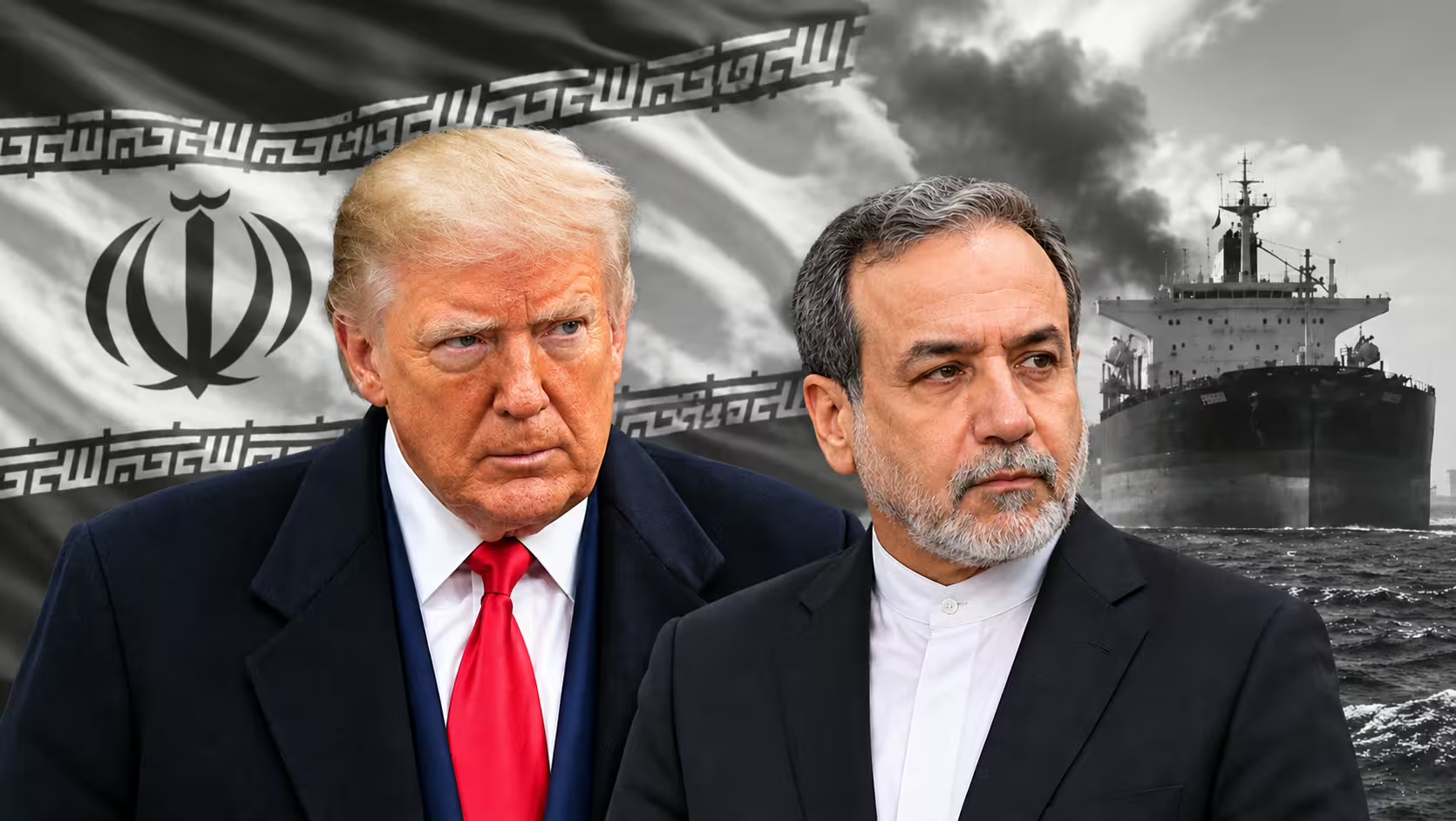
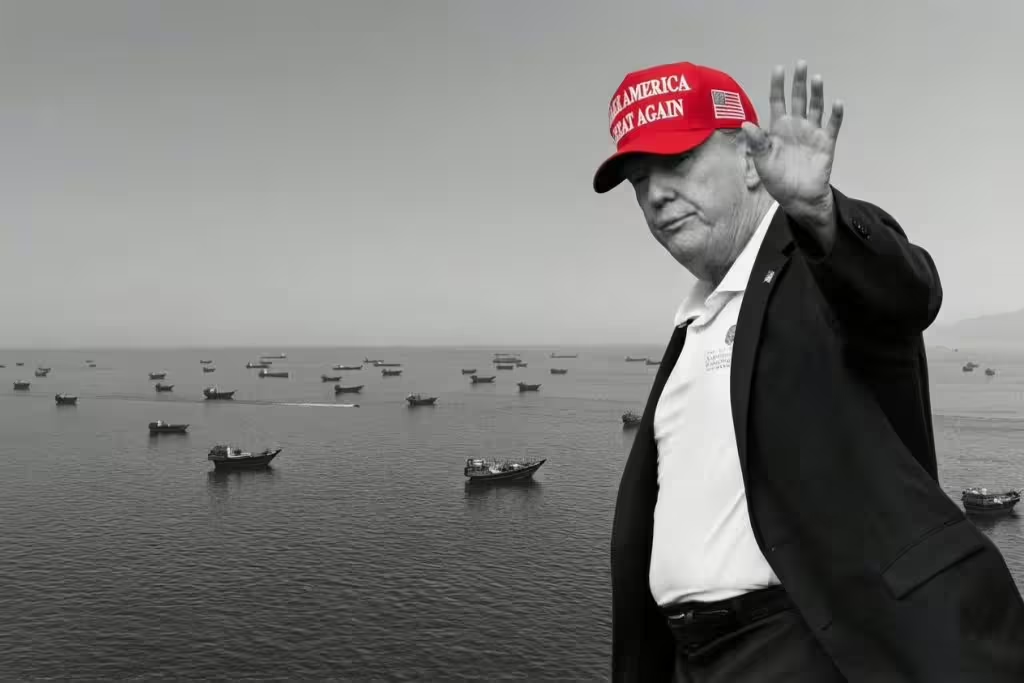
Iran waited Saturday for a formal American answer to its proposal to reopen the Strait of Hormuz and halt fighting across the region, after the Wall Street Journal reported that President Donald Trump had turned the offer down. Hours earlier, Trump reposted an image of the waterway circled and labeled Trump Strait on Truth Social, his first public gesture toward the Iranian plan.
Details:
- The offer: Foreign Minister Abbas Araqchi told reporters at the United Nations on Friday that acceptance would trigger a seven-day countdown to reopen the strait and stop regional fighting. He said Iran raised the initiative at the General Assembly and passed it to Washington through Qatari mediators.
- Iran’s conditions: Araqchi said the plan requires the United States to lift its naval blockade of Iranian ports, release frozen Iranian funds valued at no less than 12 billion dollars, and waive oil sanctions. Broader talks on mutually agreed topics could follow if Washington signs on.
- Trump’s position: The Wall Street Journal, citing unnamed American officials, reported that Trump privately doubts Iran will meet his demands and told staff he sees a new bombing campaign as likely after the November congressional midterms. The same officials said he remains reluctant to resume major combat operations.
- The other read: A US official, speaking on condition of anonymity, described the indirect discussions with Tehran as positive and constructive. Araqchi met Trump envoy Steve Witkoff on Tuesday, after earlier setting out conditions for ending the war and reopening the shipping channel.
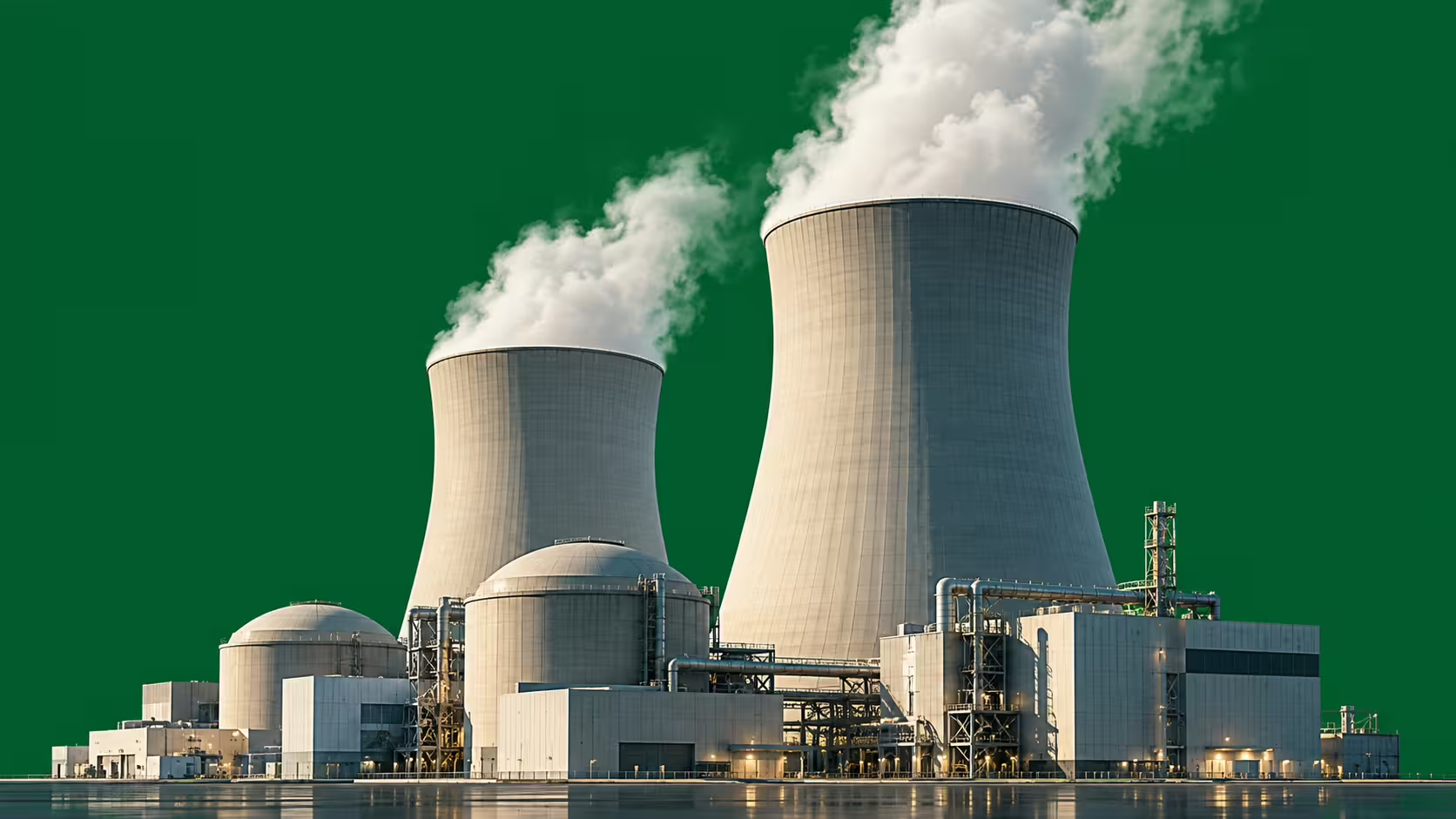
- The nuclear line: Trump has pledged that Tehran will never obtain a nuclear bomb. A senior Iranian official told Reuters that Iran will show no flexibility on its nuclear program even if Washington accepts the deal, ruling out concessions on enrichment rights or shipping highly enriched uranium abroad.
- Pezeshkian’s framing: President Masoud Pezeshkian told CBS that Tehran is ready for talks on its nuclear program and other issues but will not accept intimidation or coercion. He said Iran does not seek war but will defend itself against pressure and attacks, and had already agreed it is not supposed to develop nuclear weapons.
- A failed precedent: Washington and Tehran signed a memorandum of understanding in June aimed at ending the war, reopening the strait and launching nuclear talks. It collapsed after Iran fired on commercial vessels it accused of straying from approved routes. Ships refusing to comply are targeted routinely, and the US intermittently bombs Iranian coastal areas.
- The regional spread: Seven months of fighting have disrupted oil flows through one of the world’s most important shipping corridors. Iran has struck US allies in the Gulf with air and missile attacks, Houthi missiles have hit inside Saudi Arabia, and Iran-aligned militias in Iraq were blamed for a pipeline attack that briefly pulled Saudi crude off the market.
- The Saudi channel: Iran’s foreign ministry said early Saturday that Araqchi briefed his Saudi counterpart Prince Faisal bin Farhan on an Iran-Oman understanding covering safe shipping routes through the strait. Revolutionary Guard spokesman Hossein Mohebbi told Agence France-Presse on Tuesday that ending hostilities in Yemen is also among Tehran’s demands.
Background:
Israel launched the war in late February alongside the United States, with halting Iran’s nuclear program a central objective. The conflict has swung between pauses and renewed attacks, degrading Iran’s conventional forces and deepening damage to an already strained economy.
Between the lines:
Two American signals point in opposite directions: an official calling the mediated talks constructive, and reporting that the president is privately planning for renewed strikes. The Trump Strait post lands between them, acknowledging the Iranian offer without answering it. The same officials who described the rejection also said Trump’s position could move with the midterm results, which places the decision after November rather than now.
What’s next
Watch for a formal US response to the Qatari-mediated proposal, any movement on the frozen 12 billion dollars, and whether Araqchi and Witkoff meet again. The November midterms are the stated pivot point for Trump’s calculations.