
The latest:
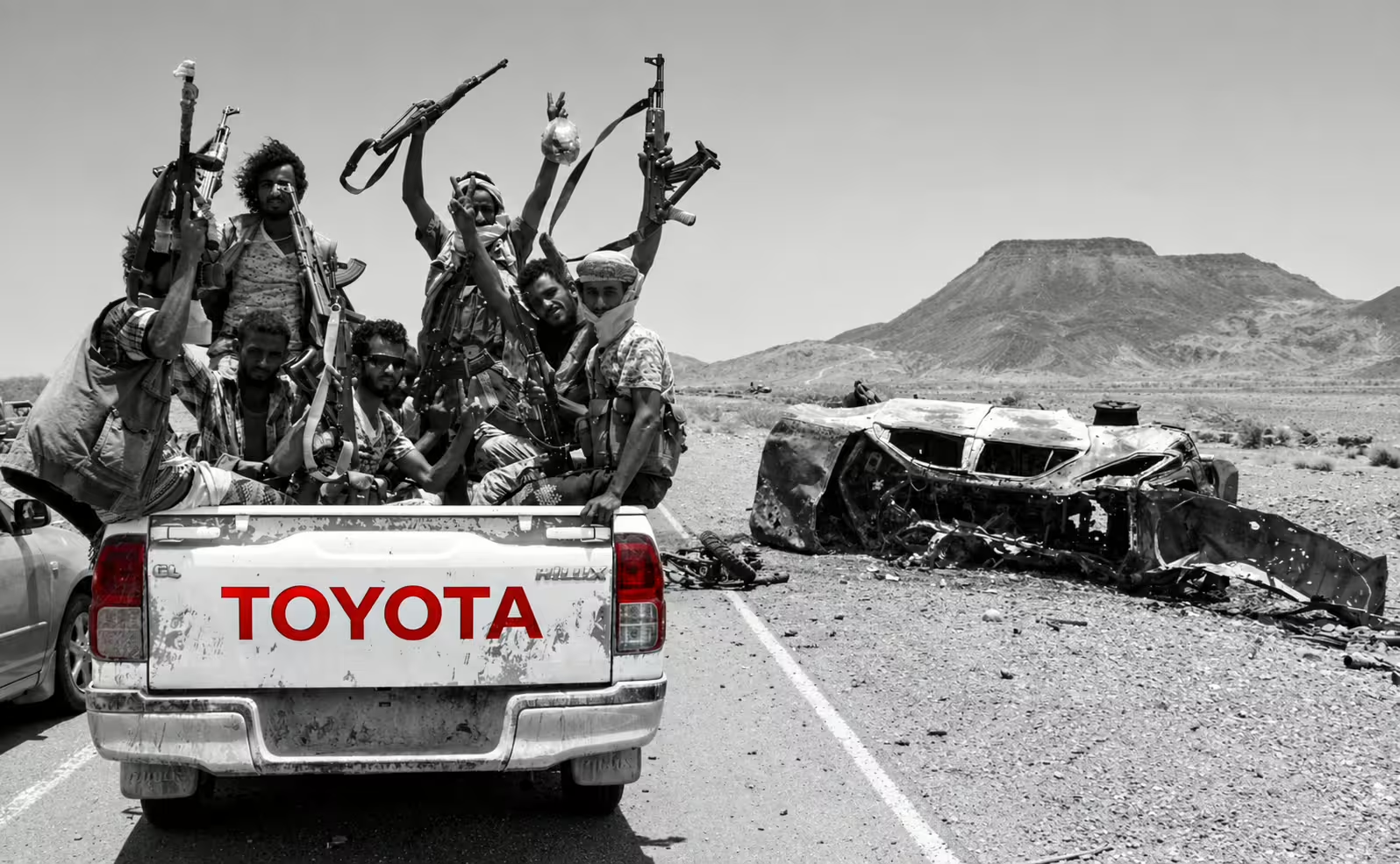
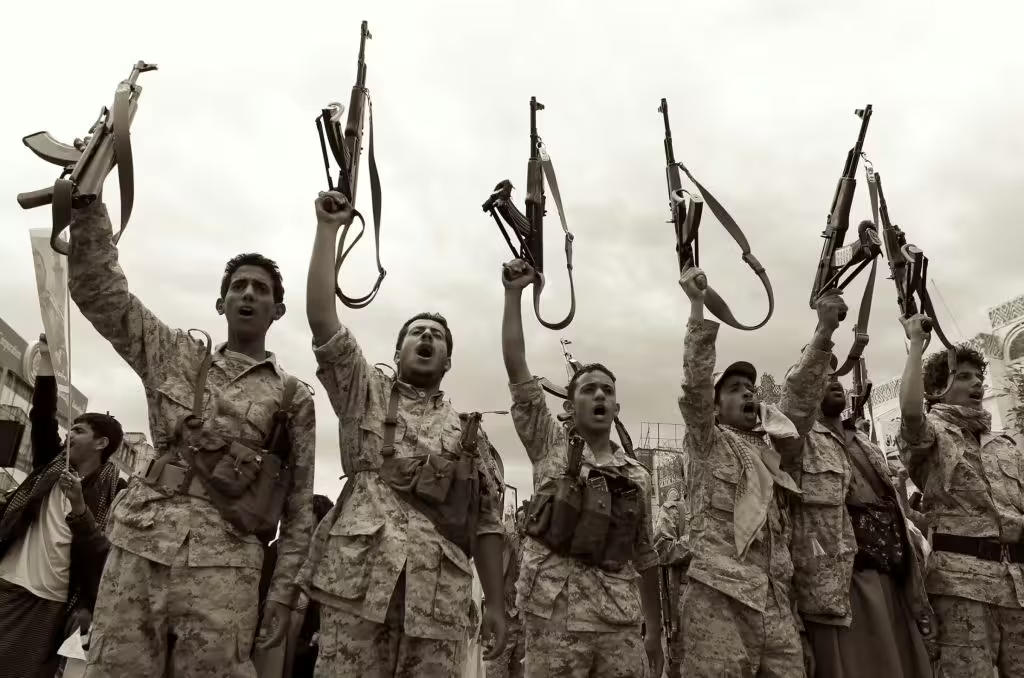
Houthi fighters have overrun Yemeni towns along the Red Sea coast and seized islands in the Bab al-Mandab strait, consolidating gains after a rapid advance that widened Tehran’s reach and disrupted global oil flows. The Houthis said Saudi warplanes bombed Yemen Wednesday. Washington tightened its Saudi travel warning and barred government staff from within 20 miles of the Yemeni border.
Details:
- The numbers: A 2024 United Nations experts report estimated the Houthis recruited up to 350,000 fighters, against roughly 30,000 in 2015, when Saudi Arabia entered Yemen’s civil war and imposed a naval blockade. Houthi military spokesman Yahya Saree said Saudi forces flew up to 450 airstrikes this week.
- The arsenal: The group fields ballistic and cruise missiles plus drones, many resembling Iranian models, capable of reaching every Gulf state and Israel, alongside advanced anti-ship missiles and naval drones used against Red Sea shipping. Iran is believed to supply guidance systems, but most weapons are manufactured locally.
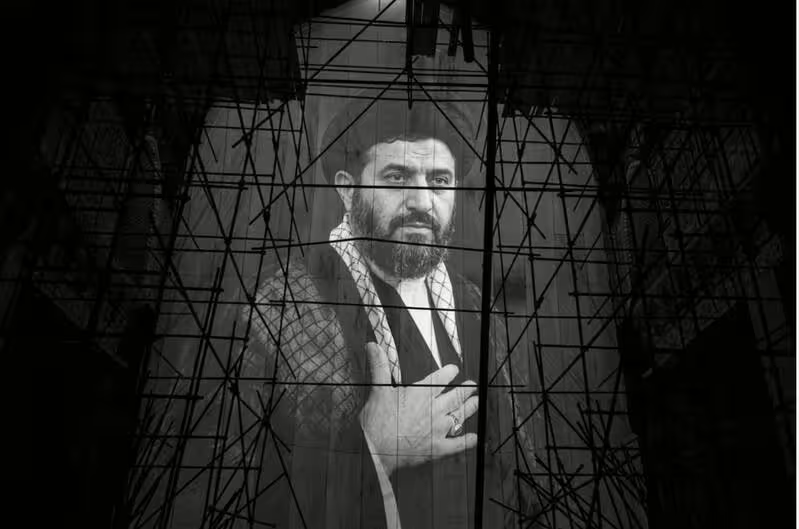
- Iran’s role: Tehran denies arming the Houthis, which would violate a UN embargo, yet smuggled Iranian weapons and components have been seized in multiple shipments bound for Yemen. UN experts documented extensive military ties between the Houthis, Iran and other Iranian-aligned groups.
- The expert view: Michael Knights of Horizon Engage, a New York strategic consultancy, called the Houthis the most committed, ideologically pure and aggressive of Iran’s regional allies. He said what Lebanon’s Hezbollah took 20 years to develop, the Houthis built in five, with Iranian help.
- Why airpower failed: Saudi Arabia bombed the Houthis for seven years after 2015, often killing civilians, with front lines barely moving before the 2022 ceasefire. Trump later ordered an intensified campaign in which about 2,000 munitions hit more than 1,000 targets, a US military official told The Associated Press.
- The cost: American munitions alone exceeded 750 million dollars, while the Houthis downed seven MQ-9 Reaper drones costing over 30 million dollars each. An F/A-18 fighter worth more than 60 million dollars slid off an aircraft carrier. The Houthis then agreed to stop attacking US ships.
- The weak opposition: Thomas Juneau, an international affairs professor at the University of Ottawa, said Iranian support is only half the story; the other half is the weakness of the Houthis’ rivals. He described Yemen’s recognized government as fragmented, divided and corrupt, systematically exploited by the rebels.
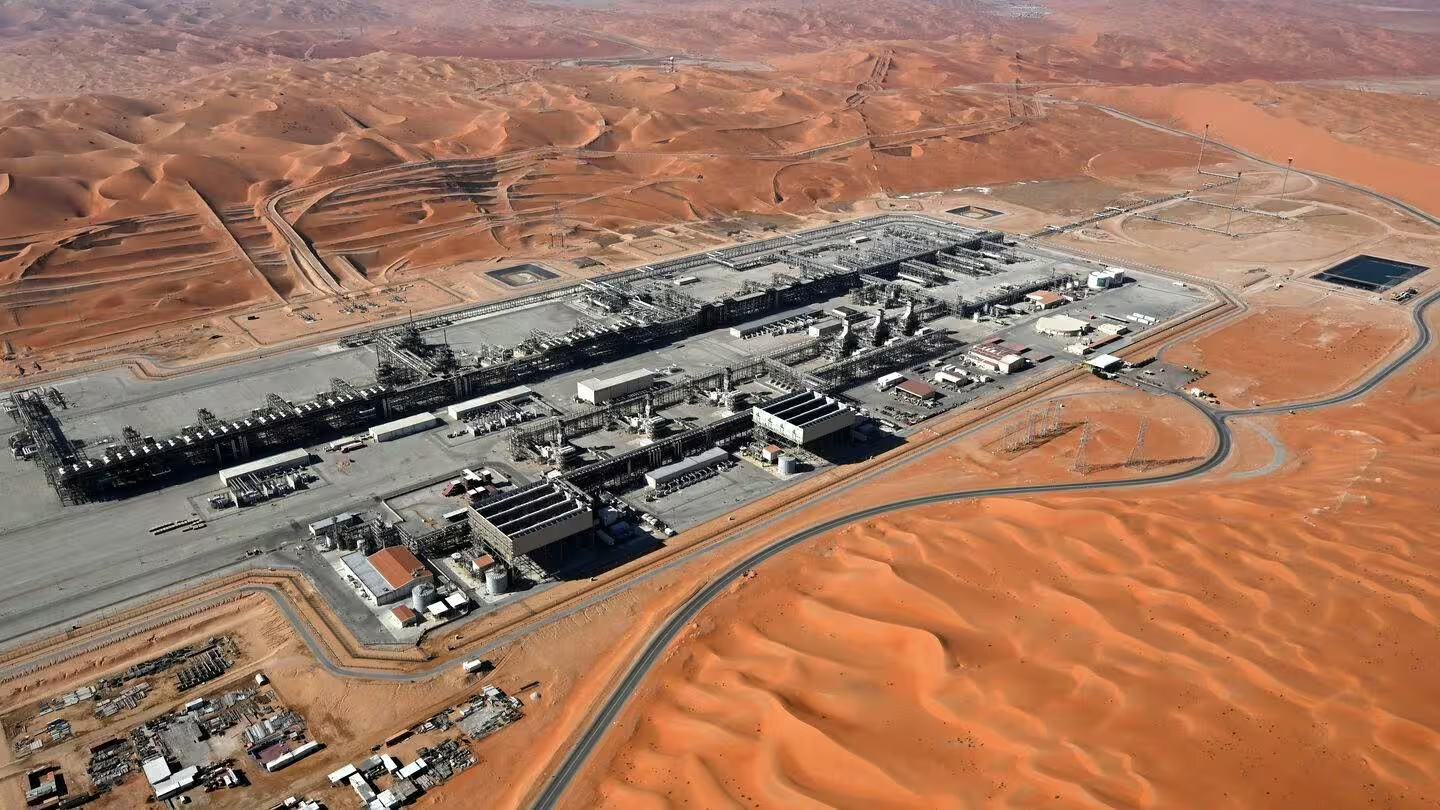
- Oil markets: Brent settled near 108 dollars a barrel Wednesday, close to its highest since May, and US retail diesel set a record above 6.30 dollars a gallon. Traders say a prolonged shutdown of the Saudi east-west pipeline could remove up to 4% of global supply.
- Contested claims: Saree said the group downed a Saudi F-15, offering no immediate evidence, and Saudi officials did not respond to requests for comment. Riyadh said it intercepted a Houthi drone south of Mecca, crossing a red line; Saree denied targeting the holy city, calling the reports fabricated.
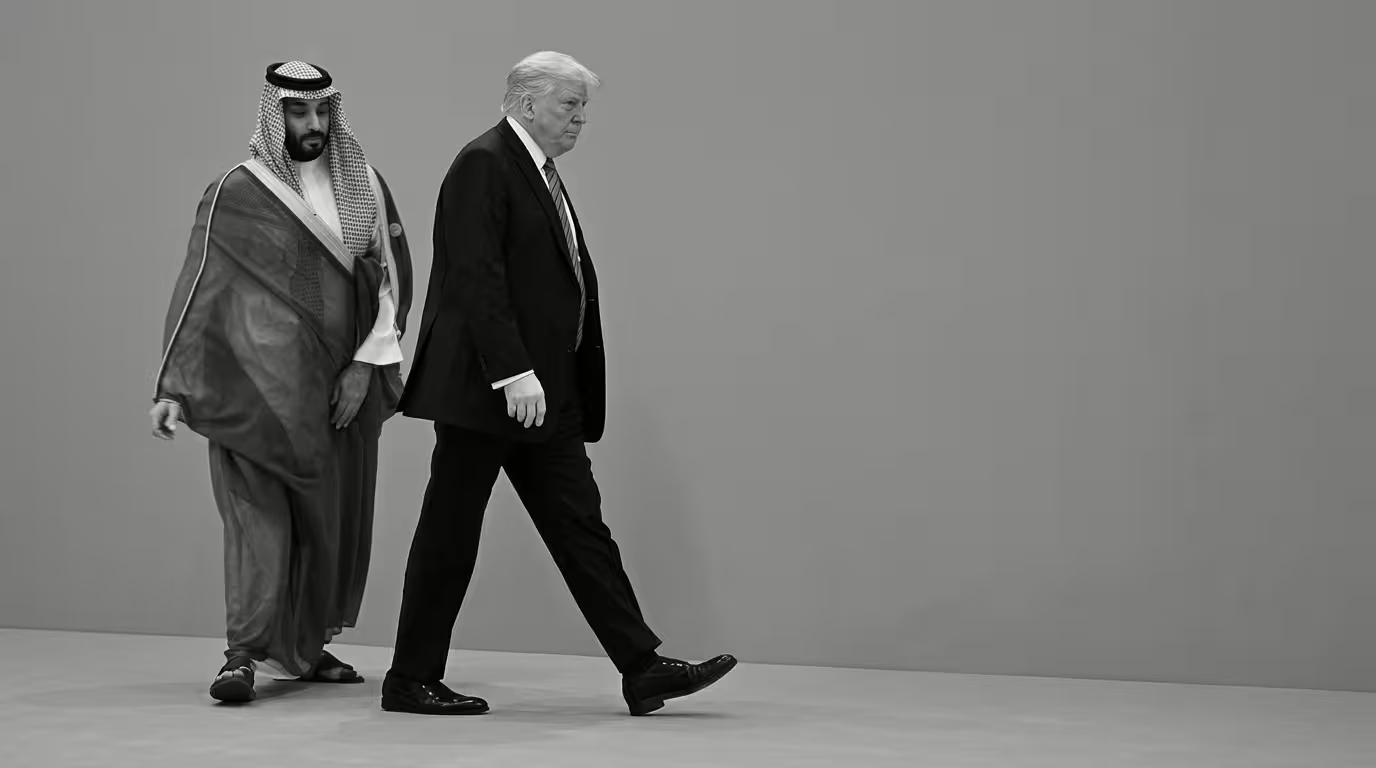
- Washington’s dilemma: Crown Prince Mohammed bin Salman phoned Trump last week seeking military support, so far limited to intelligence assistance. Trump must weigh standing aside as the energy crisis deepens against deeper involvement in another costly theater. The Saudi defense pact with Turkey and Pakistan has not been activated.
Background:
The Houthis have fought Yemen’s recognized government since 2014, when they swept from their mountain strongholds to take most of the north and center, including Sanaa. Saudi Arabia intervened in 2015. A 2022 ceasefire largely froze the fighting until the group declared a naval blockade in July.
Between the lines:
Juneau assessed that no meaningful Saudi-Iranian progress is possible while US-Iran tensions remain unresolved, describing the Houthis as entrenched and unwilling to concede. The diplomatic path is narrow: lifting the blockade, their core demand, would read as Saudi defeat. Ground options are worse — the anti-Houthi camp is split between Saudi-backed loyalists and UAE-backed southern separatists who fought each other in January.
What’s next
Watch whether the Saudi east-west pipeline resumes flows within days, as US Energy Secretary Chris Wright told CNBC, whether Washington moves beyond intelligence sharing, and whether Houthi forces press further into Bab al-Mandab.