The latest:
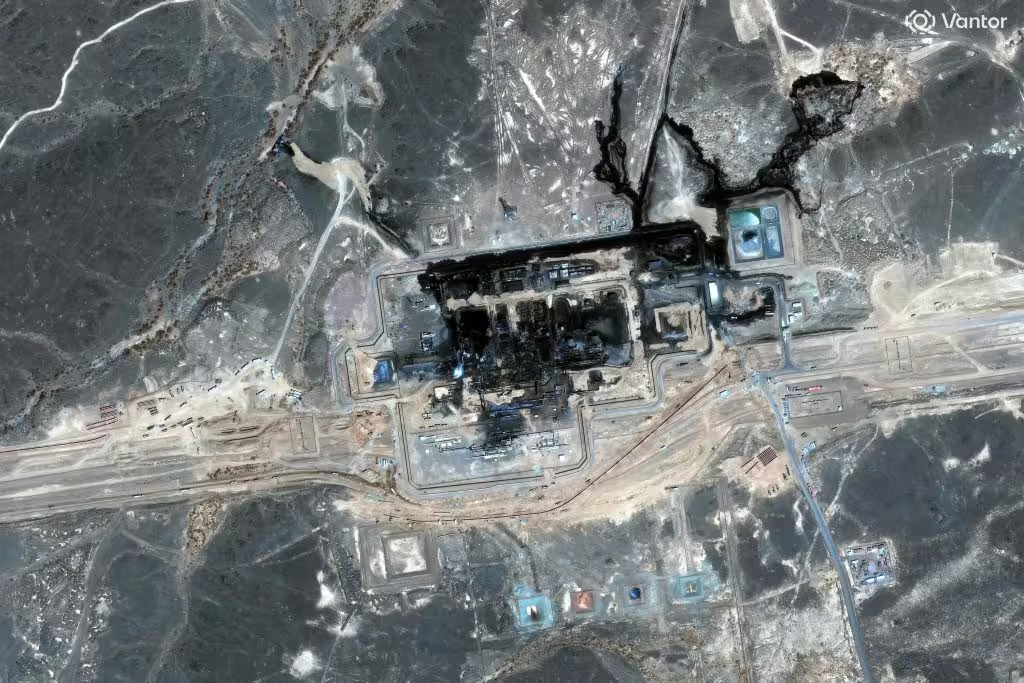
A pump station on Saudi Arabia’s east-west crude pipeline was burned out and severely damaged by drone strikes, new satellite imagery published overnight shows. The Guardian reported that the kingdom will exhaust the oil it has available for export within days unless the line restarts. Riyadh, which shut the pipeline on Friday, has blamed drones launched from Iraq.
Details:
- The damage: Satellite images show one pump station along the 1,200-kilometre line running from eastern Saudi Arabia to the west was hit, burned and heavily damaged. Since announcing the shutdown on Friday, Saudi Arabia has not detailed the extent of the damage or how long the line will stay offline.
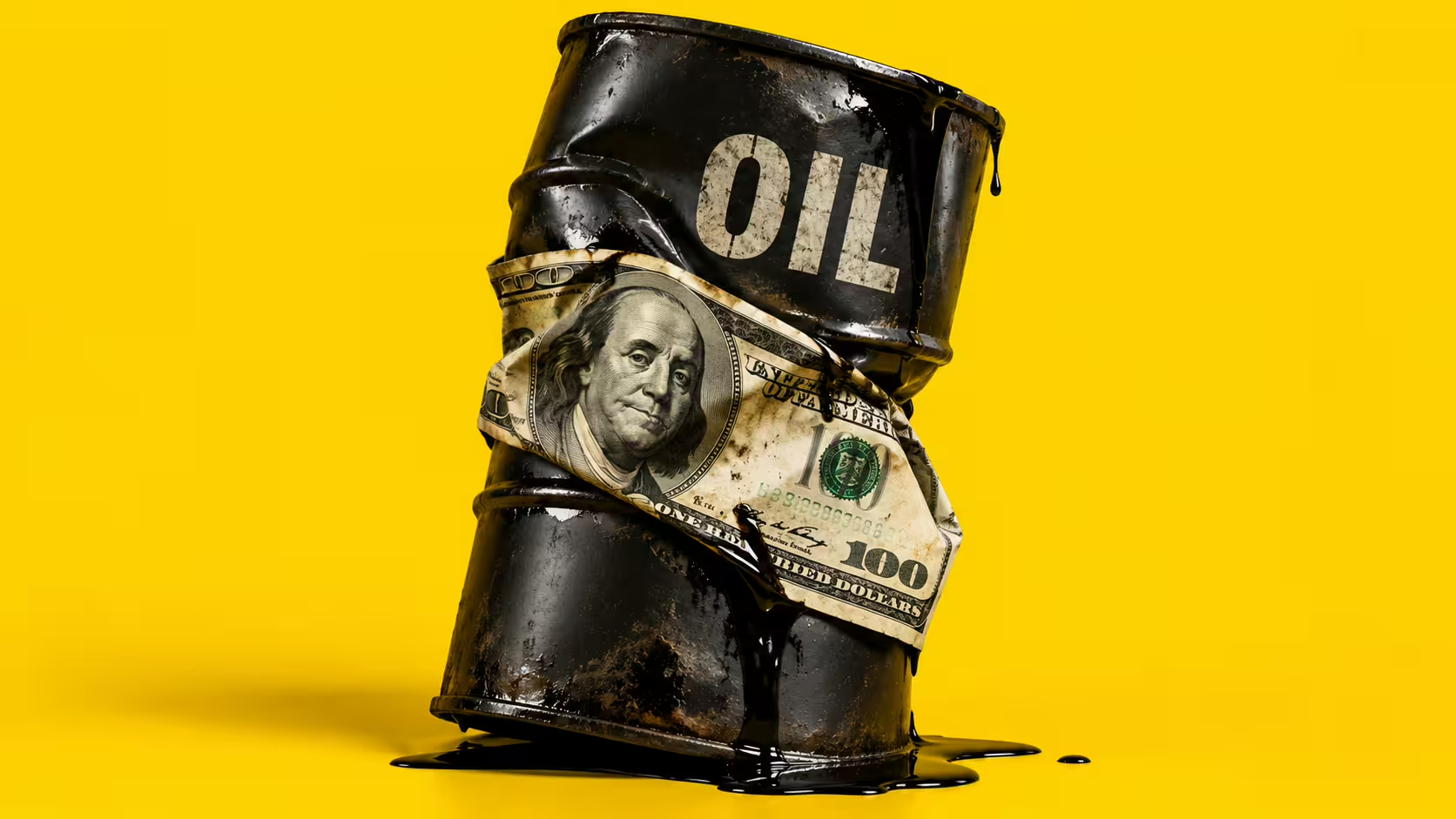
- The volumes: The Guardian reported the pipeline carries roughly 4 million barrels a day — about 4% of global supply — from the east to the Red Sea port of Yanbu. Oil sector sources told the paper that remaining stock covers only five to seven days of exports.
- Repair timeline: Sources who spoke to Reuters gave differing estimates, ranging from under a week to six weeks. One said the work could finish sooner and that the pipeline could return to partial operation while repairs are under way.
- Egyptian buffer: Reuters reported Saudi Arabia holds reserves at Egyptian ports sufficient to supply customers for several days. Sources told the agency those reserves are not full and will eventually run dry if the east-west line does not resume operations.
- Who is blamed: The Saudi foreign ministry said the attack, carried out on Wednesday night into Thursday, used several drones launched from Iraq. President Donald Trump blamed Iran directly. The umbrella body of Iran-aligned Iraqi militias denied involvement and accused Israel and the United States of trying to drag the region into conflict.
- Red Sea chokepoint: Officials from Yemen’s internationally recognised government and from the Houthis told the Associated Press that the rebels deployed forces on Greater and Lesser Hanish islands, roughly 160 kilometres north of Bab al-Mandab, after hundreds withdrew from the archipelago.
- Cairo mediation: Lebanon’s Al-Akhbar reported Egypt sought to open a mediation channel between Riyadh and the Houthis, fearing Bab al-Mandab tensions would hit Suez Canal traffic. Egyptian sources said Cairo proposed meetings on its territory or in Oman; Saudi officials have not responded either way.
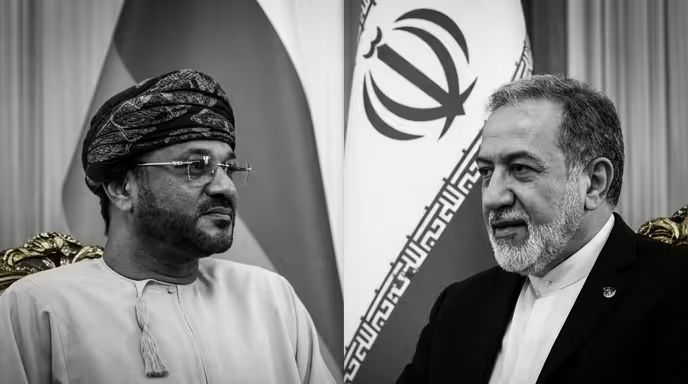
- Hormuz talks off: A meeting in Oman between Iran and Gulf states on reopening the Strait of Hormuz to tanker traffic was cancelled. Omani Foreign Minister Badr al-Busaidi said it was postponed “to ensure agreements are reached.” Reuters listed Saudi Arabia, the UAE, Qatar, Kuwait and Iraq among participants; Bahrain had already opted out.
- Sticking point: CNN reported the talks were to cover maps and shipping lanes for tankers. The Omani plan floated voluntary payments for navigational safety services, a possible compromise on Iran’s demand for fees from transiting vessels. Tehran said its understandings with Muscat do not include immediate reopening.
Background:
Tehran’s Tasnim agency previously described the east-west line as the only major alternative to the Strait of Hormuz. The Guardian noted the pipeline spared Riyadh the worst of the six-month war-driven blockade on Hormuz by routing crude to the Red Sea.
Between the lines:
With Hormuz still constricted and the Houthis now positioned north of Bab al-Mandab, Saudi Arabia’s two remaining export options are both under pressure at once. Sources cited by Al-Akhbar argued the Saudi-Houthi escalation primarily serves Israeli interests and damages Arab national security. Reuters sources indicated the Egyptian stockpile only postpones, rather than solves, the export shortfall.
What’s next
Watch whether the pipeline restarts within the five-to-seven-day window oil sources cited, whether Riyadh answers Cairo’s mediation offer, and whether Oman reschedules the cancelled Hormuz meeting.