Key Points
- US strikes on Iranian launchers ended a month-long lull and triggered two days of retaliatory attacks.
- Washington wants one agreement covering Hormuz and Iran’s nuclear programme; Tehran links reopening to relief from economic pressure.
- The deadlock threatens a vital energy route while intensifying fuel and inflation pressures in both countries.
The latest
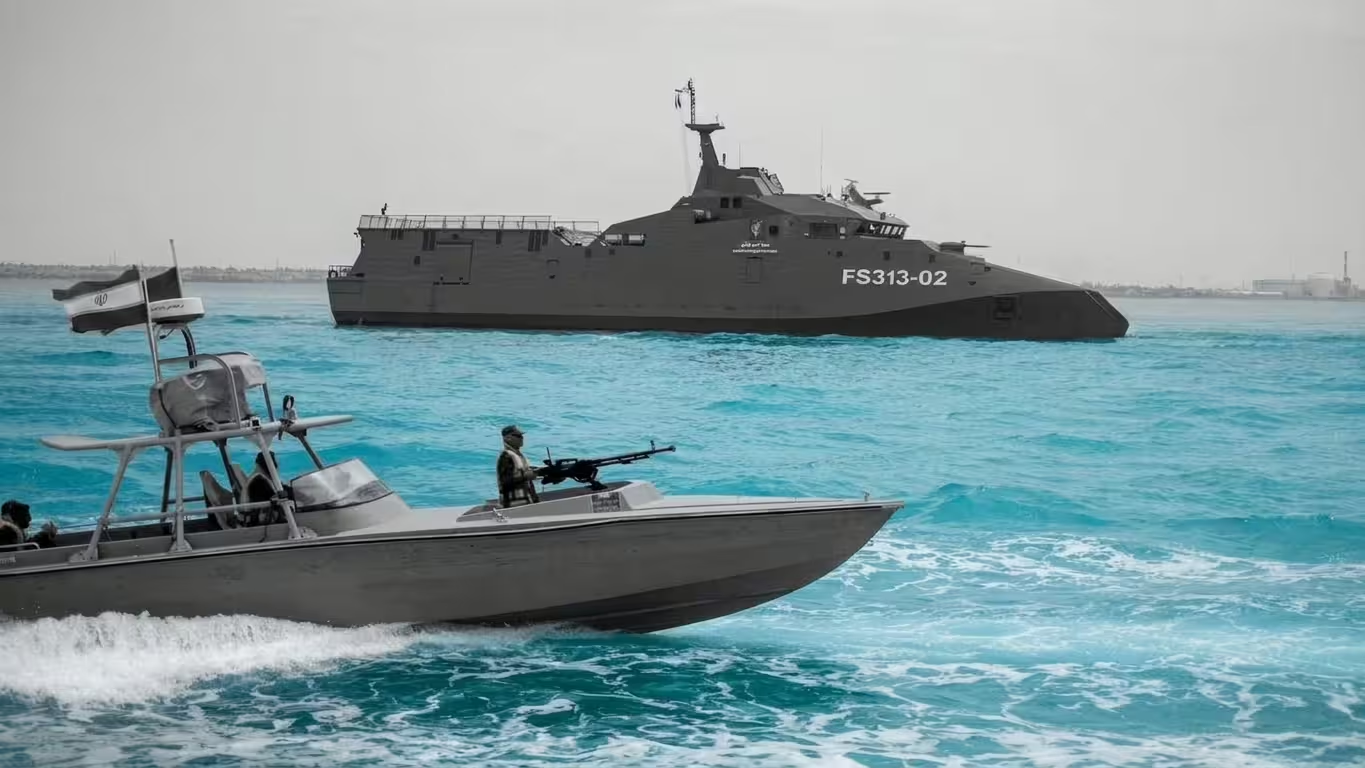
US forces destroyed two rocket launchers on Iran’s Larak Island after spotting Revolutionary Guards preparing to fire sea mines into the Strait of Hormuz, ending a month-long lull in hostilities. The strike prompted two days of tit-for-tat attacks, with Iran firing at regional bases hosting US forces and at least two tankers also attacked. The renewed fighting came as Washington abandoned a return to a short-lived June memorandum and pressed for a broader settlement encompassing both shipping and Tehran’s nuclear programme.
Details
- Diplomatic terms: The Trump administration told mediators it would not revive the June memorandum. Tehran says it will reopen the strait only if Washington lifts its blockade, restores an oil waiver and releases access to some frozen overseas assets. The White House declined to comment on its conditions, while Trump denied trying to force Iran back to talks.
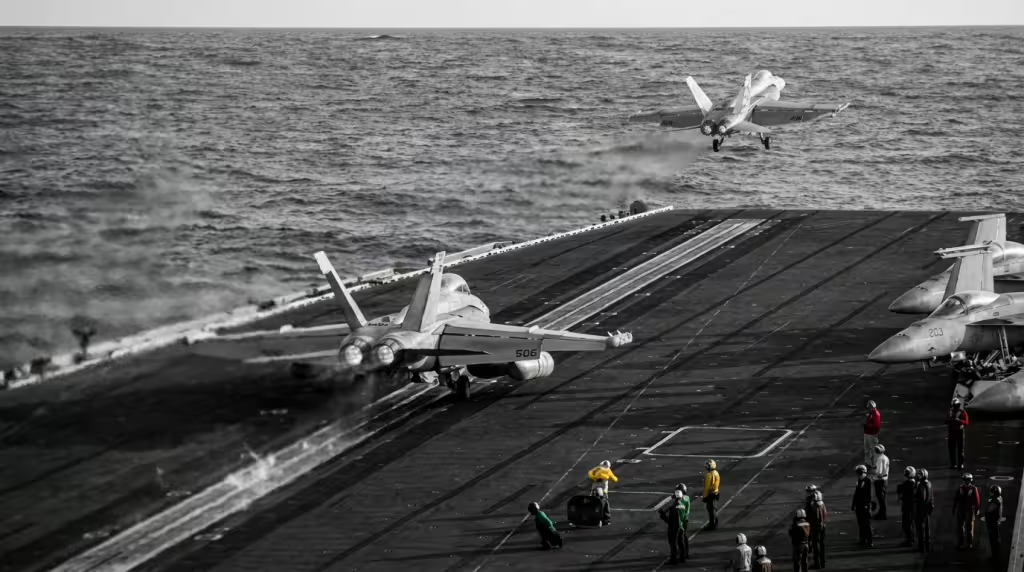
- US strategy: President Donald Trump is betting protected shipping can sustain oil flows while a naval blockade and sanctions squeeze Iran’s economy. Tehran has threatened military retaliation and says other Gulf exporters will be unable to ship oil if Iran cannot.
- Mine clearance: Central Command chief Admiral Brad Cooper said all Iranian mines had been cleared from international shipping lanes. Two days later, Washington attacked Larak, accusing Iranian forces of attempting to re-mine the route.
- Human cost: Iranian officials said a US strike hit a wedding near Sirik in southern Iran, killing four people and wounding dozens. Fuel shortages have produced queues in Tehran, while food prices are rising almost daily despite stocked supermarket shelves.
- Energy flows: Around 20mn barrels of crude and refined products crossed Hormuz daily before the US and Israel launched the war in February. US energy secretary Chris Wright said the seven-day average exceeded 8mn barrels on August 22. The strait previously carried about a fifth of global oil and gas.
- Price pressure: Brent crude is near $97 a barrel. Average US diesel reached $5.78 a gallon on Wednesday, above April’s wartime peak, according to the American Automobile Association, complicating Trump’s effort to lower fuel costs before November’s midterm elections.
Background
The June memorandum was designed to extend April’s ceasefire by 60 days and reopen Hormuz gradually as final-settlement negotiations began, including on the nuclear programme. It unravelled quickly. Ali Vaez of Crisis Group warned economic strangulation would drive Tehran back to force, while Chatham House’s Sanam Vakil described a prolonged stalemate in which neither side will surrender leverage without a visible gain.
What’s next
Mediators are keeping back channels open and building a framework for a new agreement. The immediate test is a temporary Iran-Oman shipping arrangement that both governments said was close last week, and whether Washington maintains its demand that Hormuz reopen fully regardless of any Tehran-Muscat deal.