Key Points
- Washington is blockading Iranian ports while protecting commercial shipping through the Strait of Hormuz.
- Oil flows have recovered to two-thirds of prewar levels, with global energy prices remaining stable.
- Deepening economic pressure could weaken Tehran’s ability to sustain the conflict and threaten regional commerce.
The latest
The United States has reimposed a military blockade on Iranian ports and sanctions on Tehran’s oil trade while clearing shipping lanes and protecting commercial vessels in the Strait of Hormuz. The campaign has restricted Iranian oil exports as global shipments recover, shifting pressure toward Tehran six months into the conflict. CNN analyst Brett McGurk argues that Iran’s leverage will diminish rapidly if it can no longer disrupt the strait, raise international energy costs and generate enough economic pressure to force President Donald Trump to retreat.
Details
- Four-stage conflict: Intensive airstrikes began on February 28 and continued through six weeks of high-tempo operations. A ceasefire followed on April 7, culminating in a June 17 memorandum signed by Trump and Iranian President Masoud Pezeshkian. The third stage began when Iran again targeted commercial vessels, triggering another exchange of military strikes.
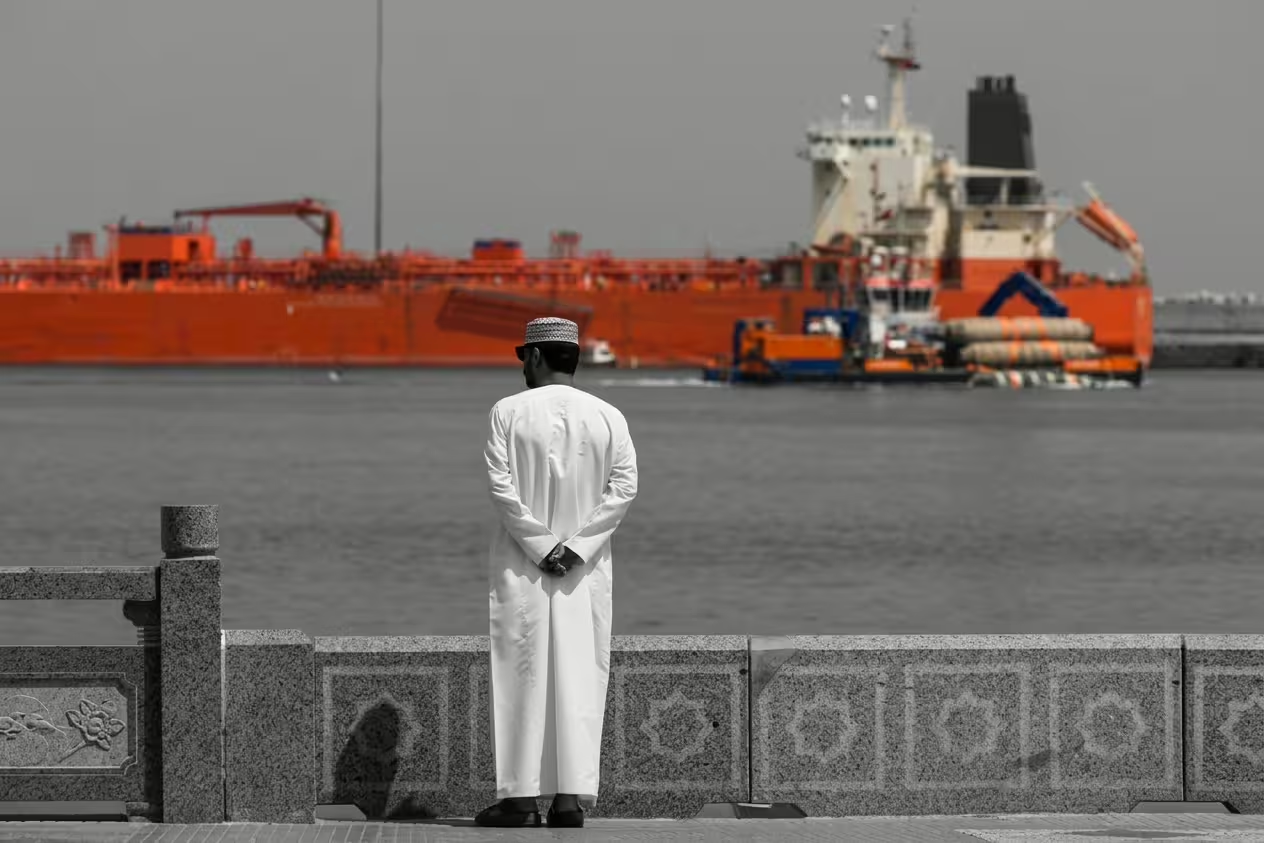
- Shipping recovery: Washington restored its blockade and oil sanctions in mid-July as US forces worked to clear shipping routes and safeguard vessels. Bloomberg reported that oil flows through Hormuz have returned to two-thirds of their prewar level. Global shipments have recovered, while energy prices have remained stable despite earlier warnings about severe economic consequences from a prolonged closure.
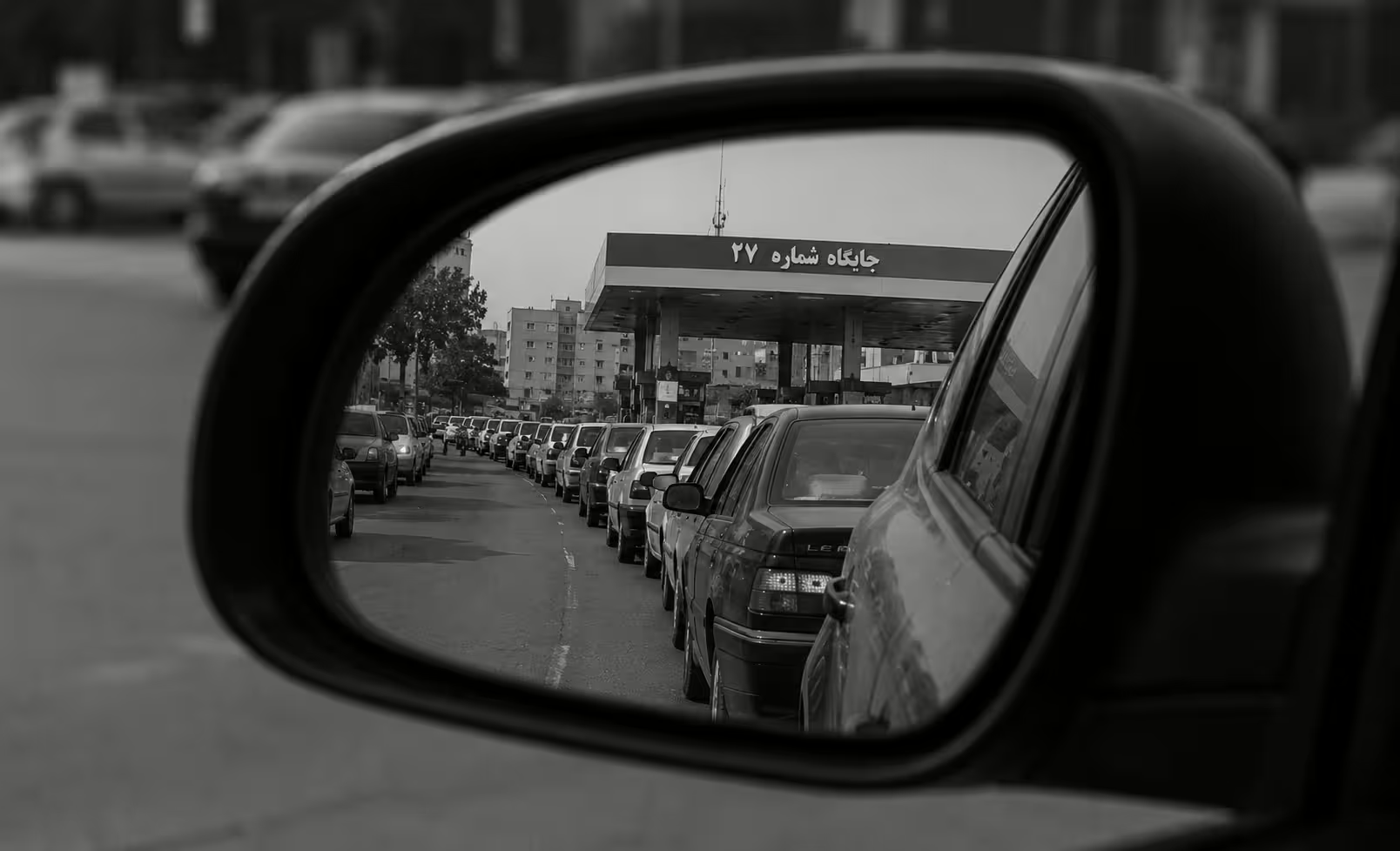
- Economic damage: The International Monetary Fund expects Iran’s economy to contract by more than 5% this year, with inflation approaching 70%. The rial has fallen sharply and basic goods have become more expensive. An Iranian Labor Ministry official estimated that more than one million jobs disappeared during the war’s first three months.
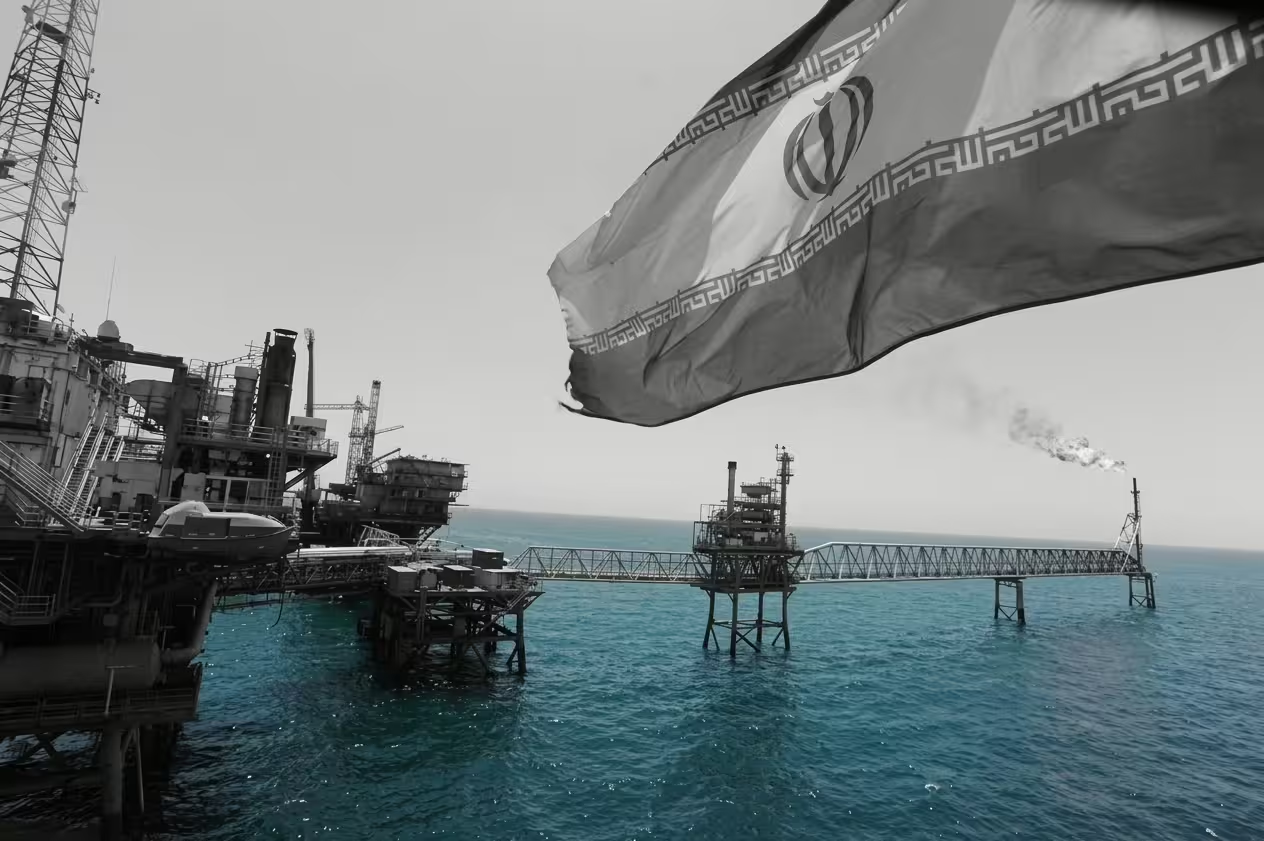
- Tehran’s options: Iran could again target Gulf energy infrastructure, while the Houthis in Yemen have threatened Red Sea commerce with Iranian missiles and drones. Such action would reprise Tehran’s earlier strategy of disrupting trade, raising global oil and US gasoline prices, and increasing political pressure on Trump as midterm elections approach.
- Terms for relief: McGurk argues that Tehran could escape the pressure by ending threats against vessels in Hormuz and abandoning what remains of its largely destroyed uranium-enrichment program, terms he says Trump would accept. Either step, however, could appear to the Revolutionary Guards as weakness threatening their hold on power and ability to govern through force.
- Competing positions: Iranian Foreign Minister Abbas Araghchi said the blockade and sanctions were “bound to fail,” as previous pressure campaigns had failed to change Iranian policy. CENTCOM commander Admiral Brad Cooper defined the US military mission as enforcing the blockade on Iran and facilitating commercial traffic, giving Washington a clearer operational objective than in earlier phases.
What’s next
The next indicators will be oil-flow levels through Hormuz, the continuity of protected commercial transit and the blockade’s impact on Iranian exports. Any renewed attack on Gulf energy facilities or Red Sea shipping would mark Tehran’s next escalation decision.