Key Points
- US forces say they effectively control most of Hormuz after a two-month campaign.
- Nightly traffic has reached 20–30 tankers carrying 9–10 million barrels, roughly half the pre-war volume.
- Washington believes improved shipping strengthens its hand in any future negotiations with Iran.
The latest
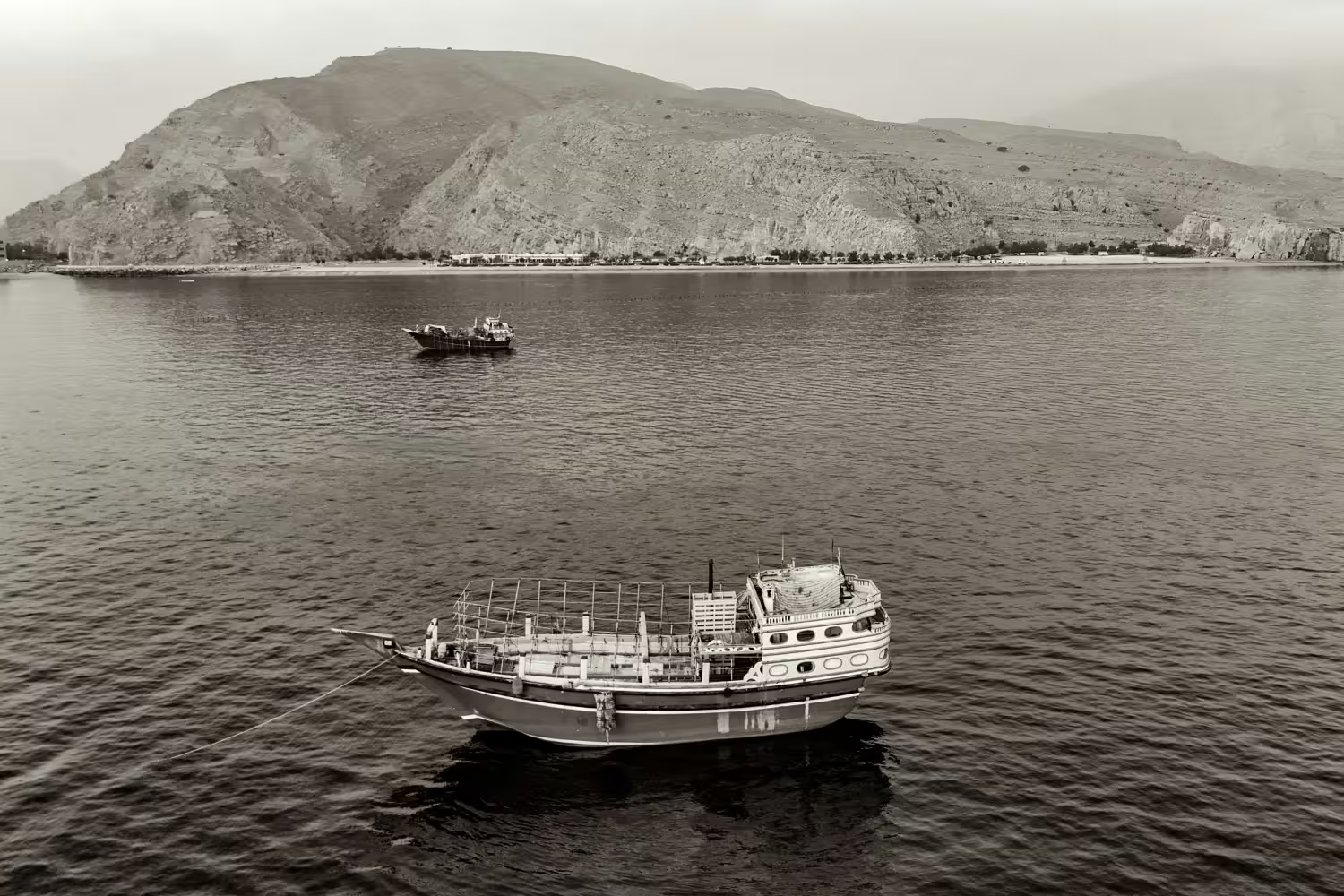
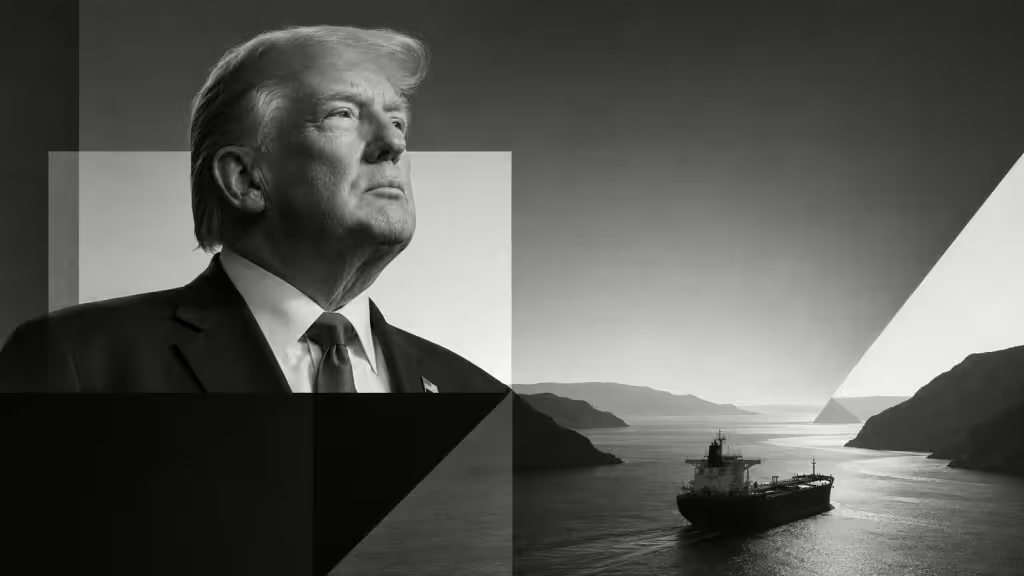
The US military has steadily eroded Iran’s leverage over the Strait of Hormuz, shifting the war toward control of the world’s most important energy chokepoint. President Donald Trump said the waterway was open and Iran’s response was “very mild,” while Central Command chief Adm. Brad Cooper said internationally recognized routes were free of Iranian sea mines. Ship numbers and oil exports nevertheless remain below pre-war levels, and Iranian fire continues.
Details
- Closure order: In the war’s first 72 hours, Iran announced the closure and threatened tankers. Israeli and US officials said then-IRGC Navy commander Gen. Alireza Tangsiri ordered mines placed in the Traffic Separation Scheme, the main international lane. Tangsiri was killed three weeks later in an Israeli airstrike in Bandar Abbas.
- Oil shock: Brent crude rose from about $72 a barrel to $126 over the next two months as commercial shipping stopped. Trump agreed to an April 8 ceasefire partly over US gasoline prices and energy-market pressure. Reopening anchored an agreement signed two months later, but the strait never fully reopened and the deal collapsed.
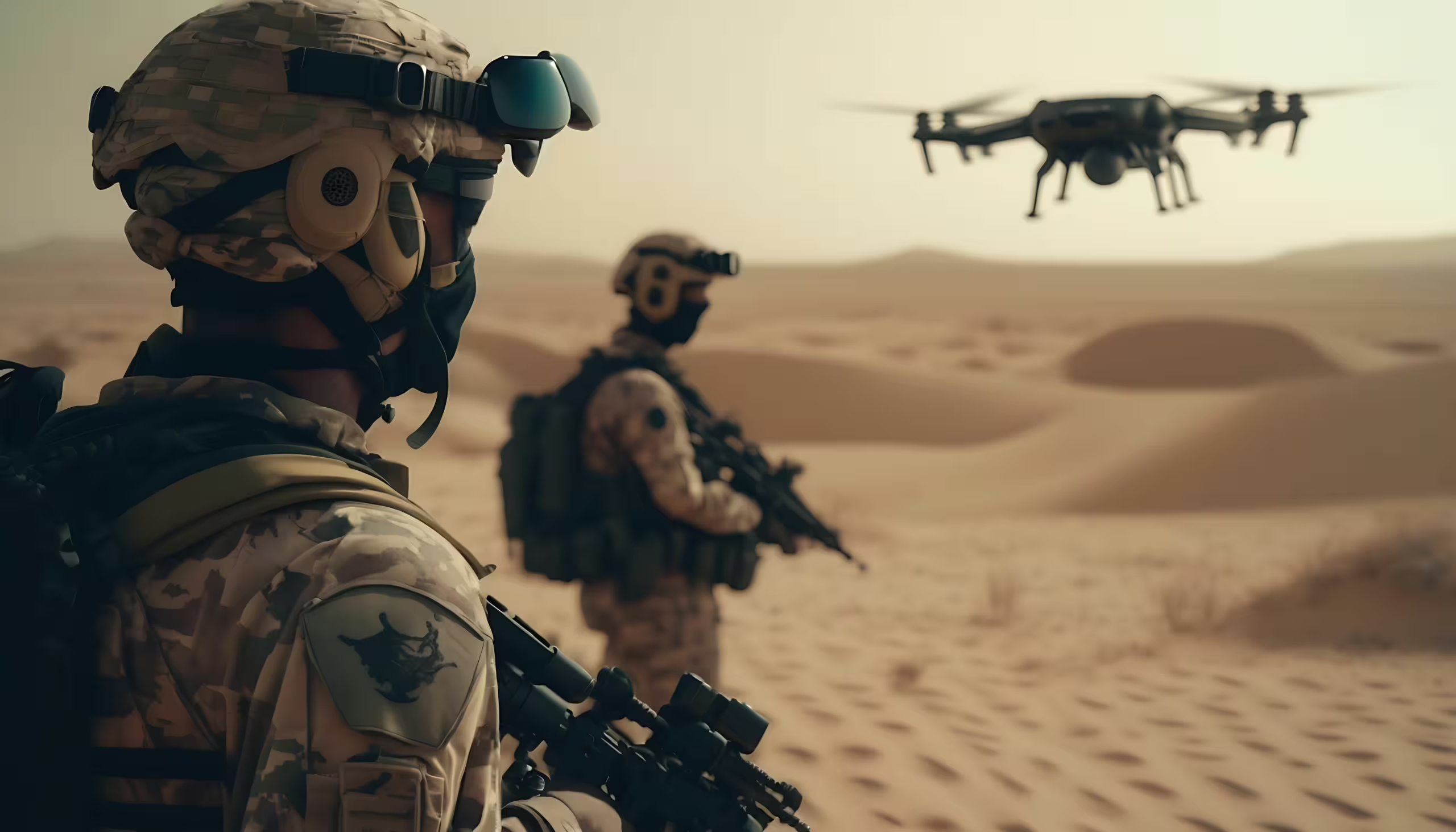
- Reopening campaign: After the collapse, a US-UAE task force guided ships through the southern channel under air cover, intercepting Iranian drones and cruise missiles. A two-week US bombing campaign reduced the IRGC’s attack capacity. Navy divers, SEALs, drones and private contractors neutralized mines, while the blockade of Iranian ports resumed.
- Operational results: Only 2% of ships transiting last month were hit, a US official said. More than 200 mine-like objects were swept from the main lane; 11 were actual mines and only a few were properly deployed. Iran continues firing, but US officials say its accuracy is limited.
- Regional participation: The UAE, Bahrain and Kuwait joined the US-protected export operation, with Saudi Arabia expected to follow. Washington hopes Qatar will send liquefied natural gas tankers along the route. Oil experts and tanker trackers question US traffic estimates; American officials say trackers undercount. Periodic projectile strikes keep shipping safety under scrutiny.
- Mediation track: Two regional sources said Iran recently renewed interest in negotiations. Pakistan’s army commander visited Tehran Sunday to revive mediation, followed by Oman’s foreign minister and Qatar’s prime minister, who arrived Thursday at Iran’s request. Tehran publicly demands the previous agreement’s implementation and reopening terms. Trump rejects a meeting, but envoy Steve Witkoff remains in contact with mediators.
Between the lines
US officials see control of the strait as a potential watershed that could ease global economic pressure and improve Washington’s negotiating position. They consider the June 17 agreement obsolete and discount Oman-Iran talks on new arrangements for Hormuz.
What’s next
By mid-September, the US aims to widen the main channel for at least 50 ships entering and leaving the Gulf nightly, restoring oil exports to 60–70% of pre-war levels. Negotiators will test whether the blockade, economic pressure and growing leverage alter Iran’s positions.