Key Points
- Abu Dhabi halted all trade and financial transactions with Iran after accusing Tehran of missile attacks.
- Two-way trade reached $28 billion in 2024, making the UAE Iran’s largest source of imports.
- A US-run southern shipping corridor is moving nearly 10 million barrels of oil daily through Hormuz.
The latest
The United Arab Emirates has halted all trade and financial transactions with Iran, deepening Tehran’s economic isolation as hostilities reach Emirati waters. Foreign Ministry spokeswoman Afra Al Hameli linked the decision to escalations undermining regional and international security and protecting the international financial system. The announcement followed Emirati warnings that two Iranian ballistic missiles targeted maritime navigation, with one falling in UAE waters; Iran denied carrying out the attacks.
Details
- Trade exposure: UAE-Iran trade was worth about $28 billion in 2024, when the Emirates was Iran’s largest import source. Electronics, precious metals and other goods moved through Dubai, reflecting longstanding economic and cultural ties despite political tensions. Emirati officials say they act against sanctions violations when detected.
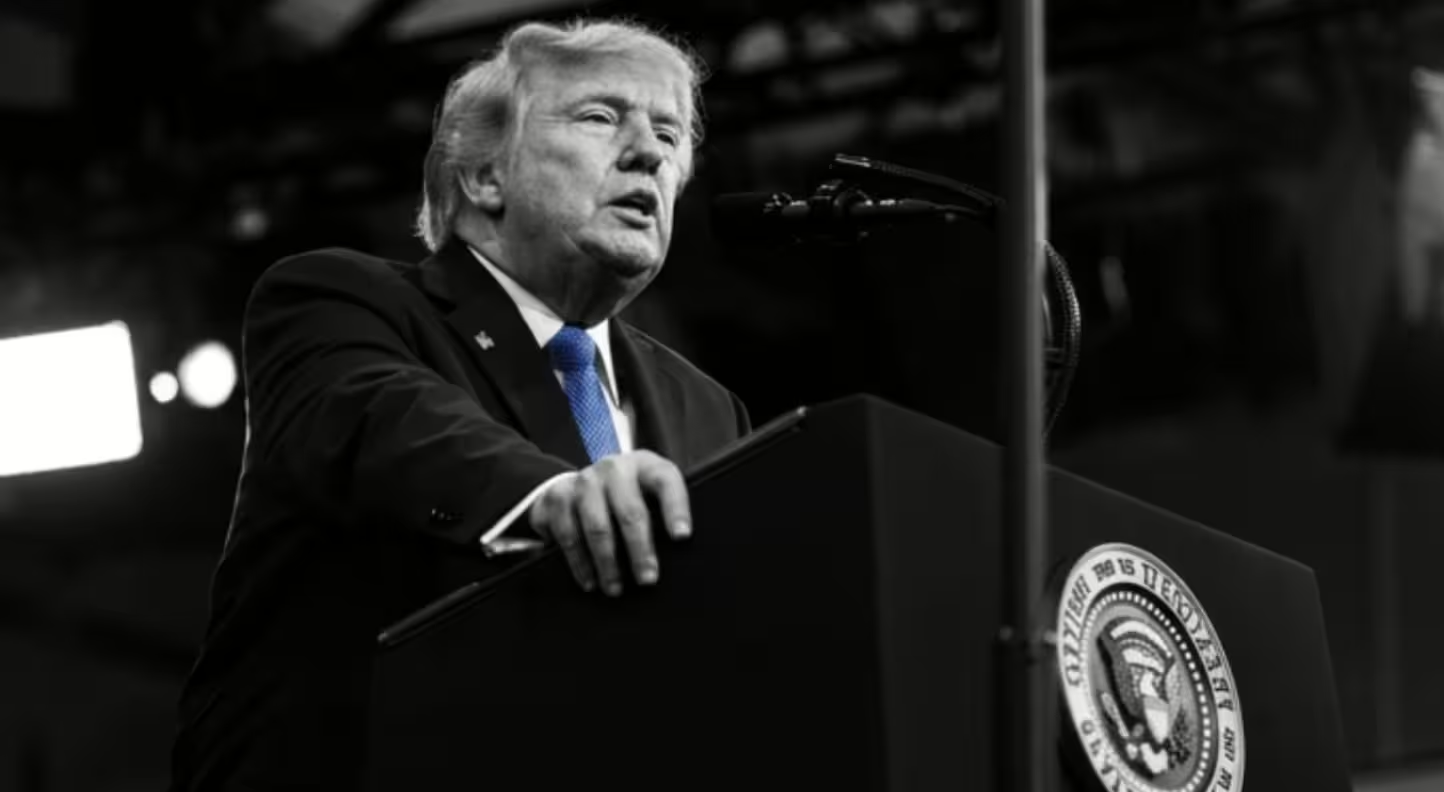
- Washington contacts: The decision followed a call between President Donald Trump and UAE President Sheikh Mohammed bin Zayed. Secretary of State Marco Rubio separately discussed holding Iran accountable for continuing attacks with national security adviser Sheikh Tahnoon bin Zayed. Treasury Secretary Scott Bessent had threatened unprecedented economic-isolation measures.
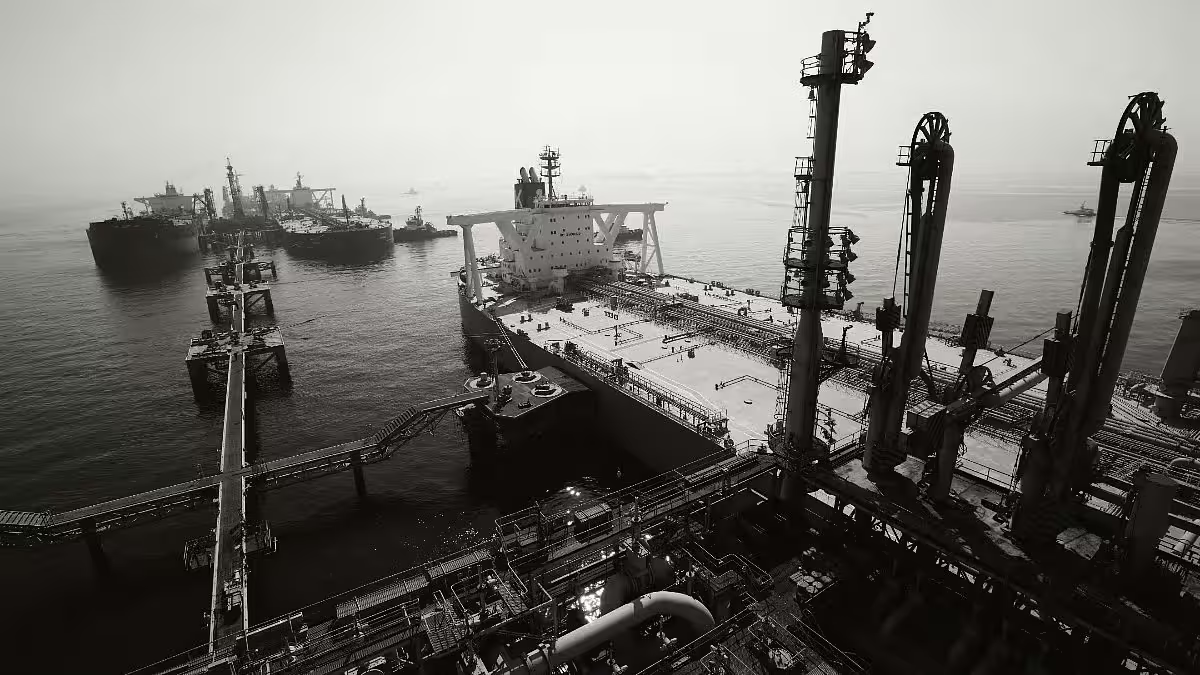
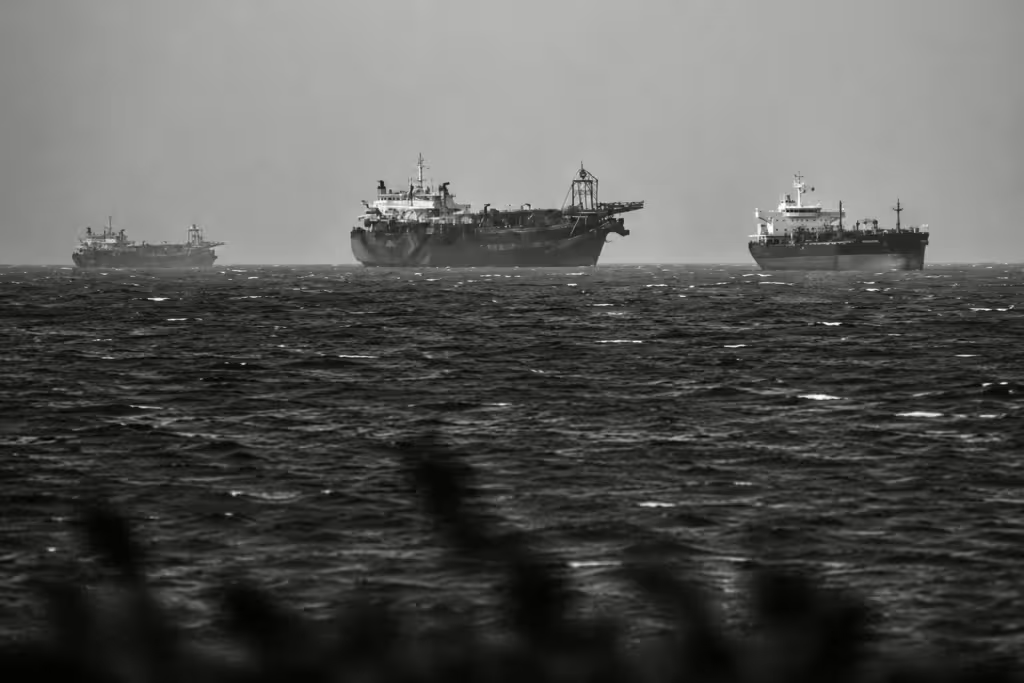
- Protected corridor: The US military has directed 15 to 20 tankers nightly through a southern channel near Oman for several weeks. Nearly 10 million barrels leave the Gulf daily, about half the prewar volume, with some nights reaching 15 million to 20 million barrels.
- Coordinated transit: A Fort Bragg-based task force coordinates daily ship lists with Gulf partners. Empty tankers enter from the Arabian Sea, load at regional ports and depart in grouped lines during separate time slots. US fighter jets protect them from Iranian drones and cruise missiles.
- Military cover: American officials said a two-week campaign degraded Iranian radar and maritime surveillance. US forces shot down eight drones and two cruise missiles earlier this week, while Iran retained limited monitoring through restored radars and Revolutionary Guard fast-boat spotters.
- Business toll: War had already increased costs and customs scrutiny for Dubai traders. One dairy and sweets importer said he cut his workforce from more than 100 to about 35 and that enforcing the halt would collapse his company. Another trader said saffron and dried-fruit imports continued with greater difficulty and at higher cost for re-export to China, India and Saudi Arabia.
Background
US and Israeli attacks on Iran in February triggered the regional war. The UAE reported more than 2,700 Iranian ballistic-missile and drone attacks before tensions eased after an April ceasefire and preliminary June peace deal. Abu Dhabi later accused Iran of striking an Emirati tanker and using Hormuz shipping as economic coercion. In March, authorities closed the Iranian Hospital, a cultural club and several Dubai schools, and revoked some expatriates’ visas and residency permits.
What’s next
Customs activity and trade flows will indicate when the UAE halt takes effect. Tanker counts and export volumes through the southern channel will measure whether the US corridor maintains its current pace.