Key Points
- Trump ordered envoys to halt contacts with Iran, shelving diplomacy until Tehran shows fresh willingness to accept his terms.
- The White House is shifting from rapid military pressure toward sanctions, blockade enforcement and prolonged economic strain.
- The change comes as restricted Hormuz traffic and extended deployments increase the war’s economic, political and operational costs.
The latest
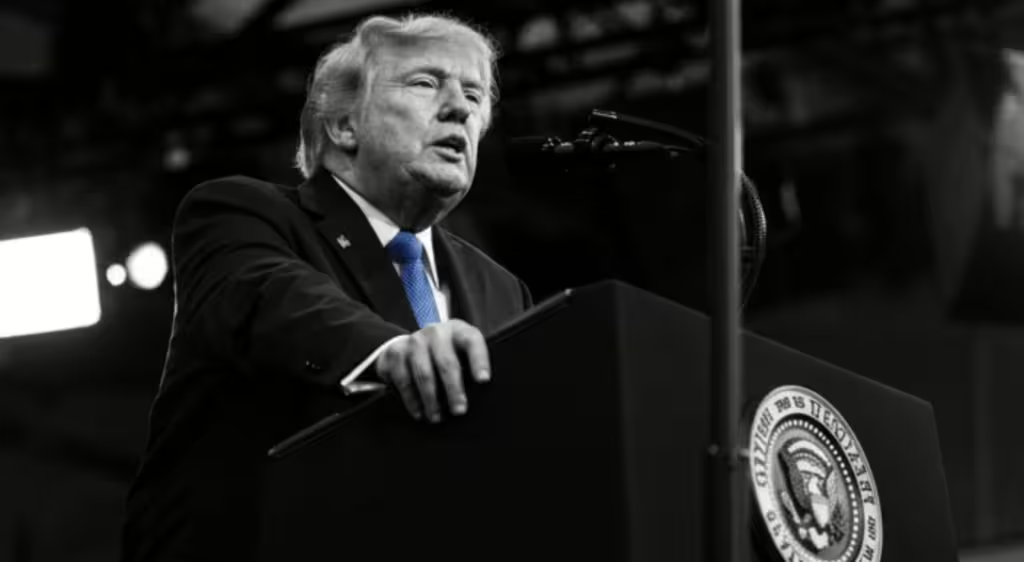
President Donald Trump ordered his negotiating team to stop engaging with Tehran as his administration shifts from “hammer Iran ASAP” to “strangle them” over time, a US official and a source familiar with the matter said. The instruction covers Vice President JD Vance and envoys Steve Witkoff and Jared Kushner. Officials said it followed positive discussions, but Trump remained dissatisfied with Iran’s refusal to meet his demands and will wait for a new signal that its leaders are prepared to reach his preferred agreement.
Details
- Diplomacy halted: Trump declared Tuesday that no talks with Iran were underway or scheduled. His statement contrasted with Kushner’s comments a day earlier that contacts were “probably more robust” than ever and involved figures within the Iranian system. Iranian officials have repeatedly denied direct talks with Washington.
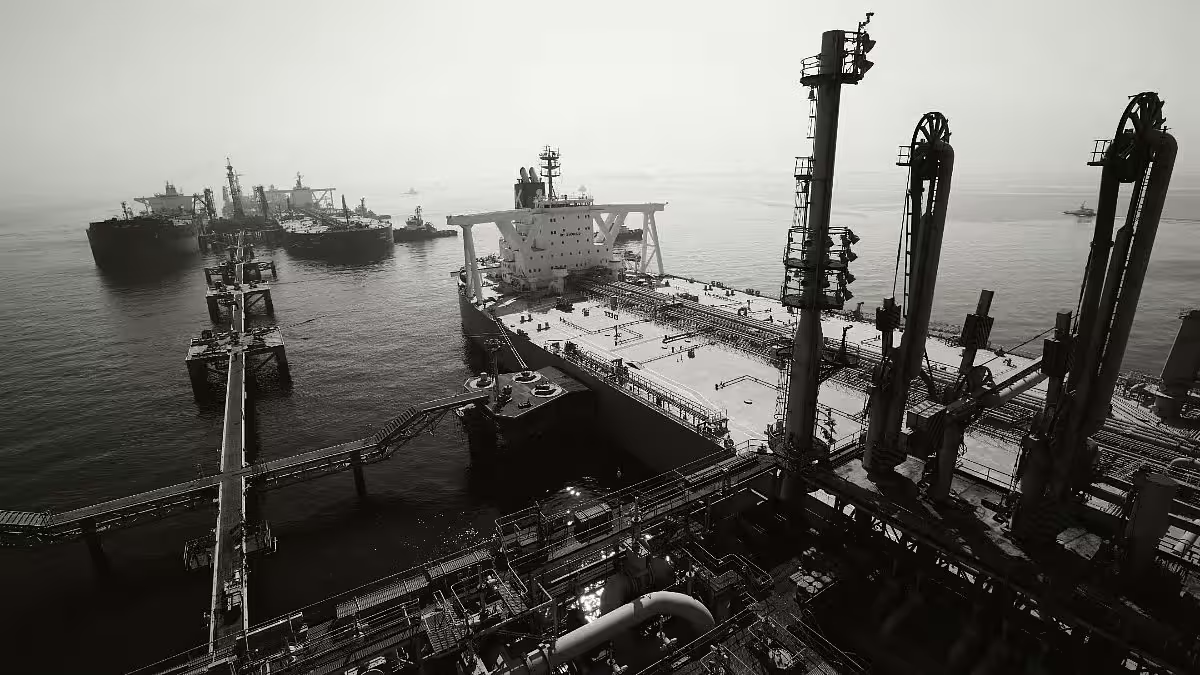
- Hormuz dispute: Trump has objected to an unfinished arrangement between Iran and Oman for managing traffic through the Strait of Hormuz. Regional officials described a framework giving both coastal states authority over vessels entering and leaving the Persian Gulf. White House officials fear it could entrench Iranian control, while some believe Oman favored Tehran instead of acting neutrally.
- Transit fees rejected: Proposals Trump and senior US officials oppose include fees from ships crossing the strait, including charges for environmental protection or security. Trump wants the waterway restored to its prewar status, with unrestricted international traffic and no tolls. His administration argues that allowing one country to assert control would establish a dangerous precedent.
- Economic squeeze: The United States is expected to impose severe new sanctions on Iran, potentially this week. Defense Secretary Pete Hegseth and other military officials say American forces are prepared to enforce Iran’s port blockade indefinitely. Trump’s team believes sustained economic pressure will eventually force Tehran to accept his conditions for ending the war.
- Military burden: Pressure for an exit has increased after unusually long deployments of US assets, including the USS Abraham Lincoln aircraft carrier, prompted scrutiny of the impact on ships and sailors. Trump has acknowledged that stocks of advanced munitions are below his preferred level after six months of war, but he has resisted growing Republican calls to find an off-ramp.
Between the lines
The diplomatic pause does not signal an imminent military withdrawal. Trump said his principal objective remains preventing Iran from obtaining nuclear weapons and posted a map of the strait labeled “US Territory.” Meanwhile, commercial traffic remains minimal, and vessels using the strategic waterway continue to face fire from Iranian projectiles.
What’s next
The next concrete step is the planned US sanctions package, which officials said could be imposed this week. Diplomatic engagement will depend on Iran signaling new willingness to accept Trump’s terms, after which Vance, Witkoff and Kushner could resume contacts.