
Key Points
- UAE authorities said two Iranian ballistic missiles fell at sea, one inside the country’s territorial waters.
- Residents in Dubai and Sharjah received a threat alert, followed shortly afterward by an all-clear.
- Trump denied any Iran talks as restricted Hormuz traffic kept energy and shipping risks elevated.
The latest
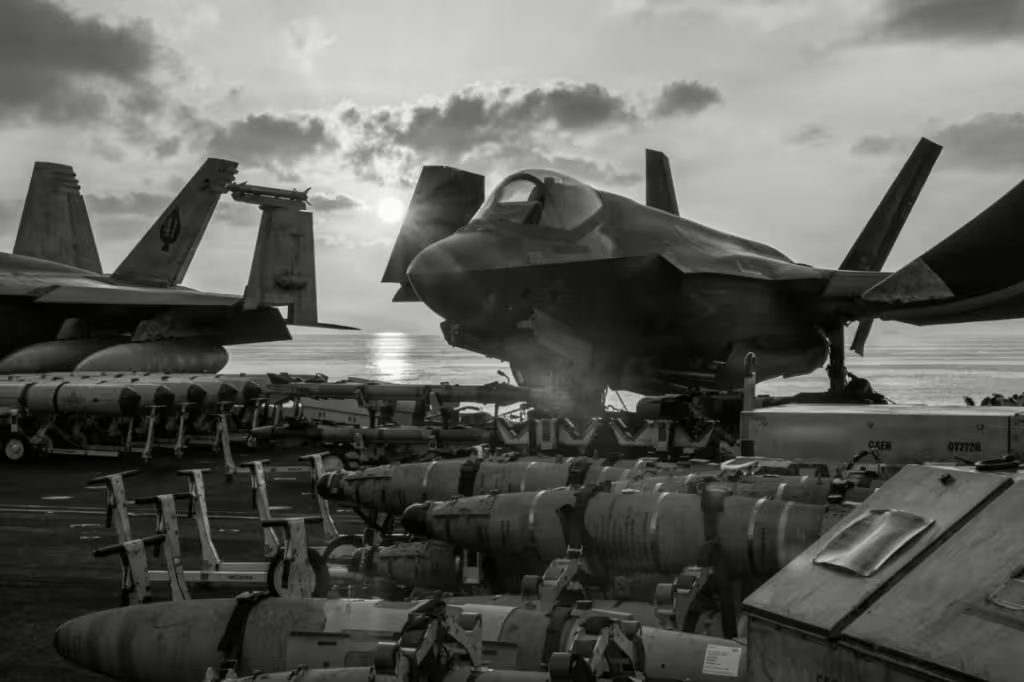
UAE air defence systems responded on Tuesday evening to a missile threat after Iran launched two ballistic missiles towards the country, the Defence Ministry said. The episode prompted phone warnings in Dubai and Sharjah before an all-clear, while US President Donald Trump said no talks with Tehran were under way or scheduled amid the continuing Strait of Hormuz standoff.
Details
- Missile outcome: The ministry said the first missile fell outside UAE territorial waters and the second within them. Bloomberg, also citing the ministry, reported that both landed in the sea and only one reached UAE waters. The supplied reports described no resulting damage.
- Public warnings: Some residents received phone alerts about potential missile threats and were urged to seek safety. A second message issued soon afterward said the situation was safe but advised continued caution. It was the first such alert since July 12. In that incident, emergency authorities detected regional threats but later confirmed they remained outside UAE borders.
- Official posture: The Defence Ministry said it remained on high alert and fully prepared to confront threats to national security. It urged the public to rely on official sources and avoid rumours or false information. Iran had not commented on the launch.
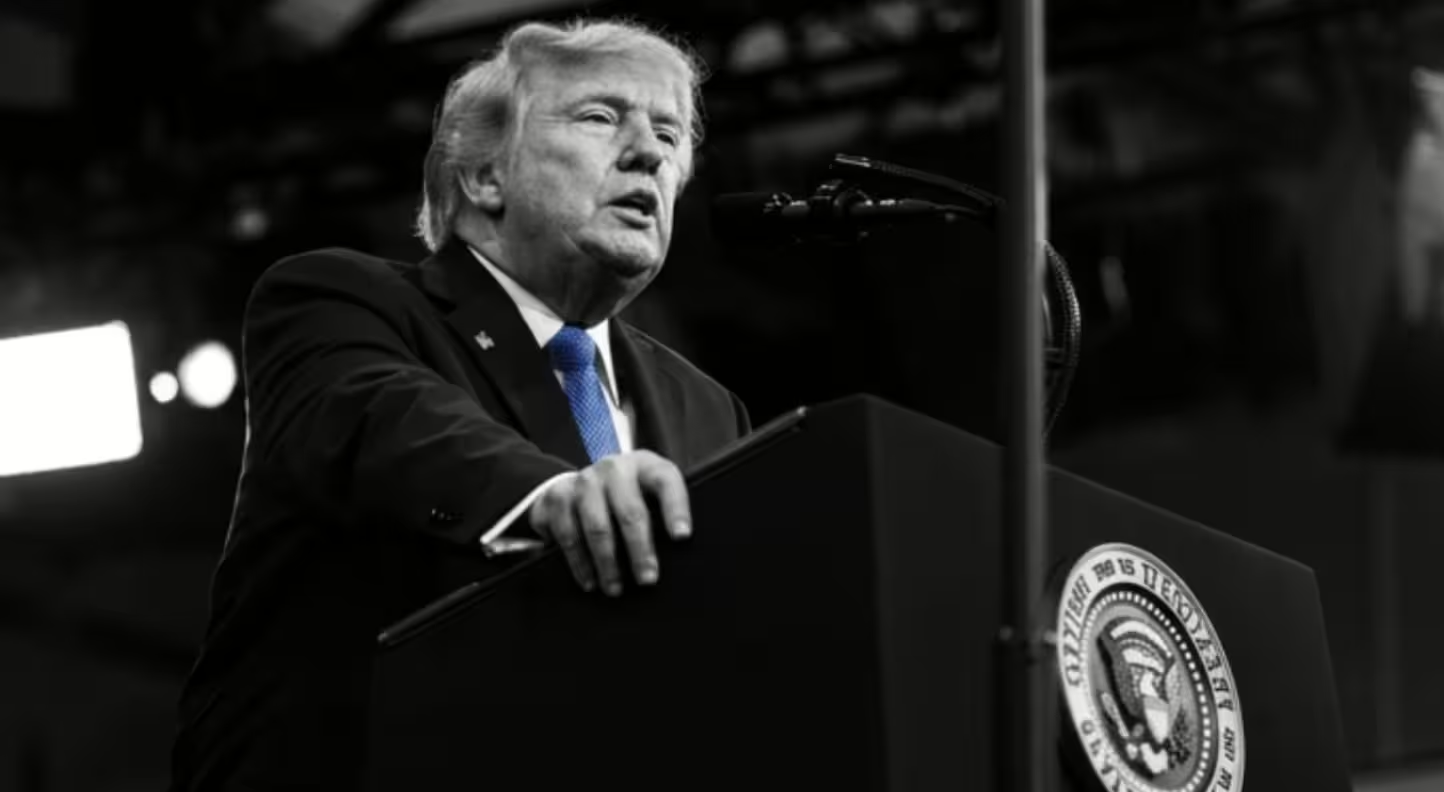
- Trump’s position: Trump wrote that no talks or conversations with Iran were ongoing or scheduled. His statement followed the expiry of a June memorandum that provided 60 days to negotiate a lasting peace agreement. Trump said on Monday that he would not extend it.
- Conflicting messages: Trump’s account differed from Jared Kushner’s statement to Fox News that positive, active conversations were continuing with parts of Iran’s government. The ceasefire had repeatedly been violated, with intermittent clashes continuing and both sides declaring it defunct.
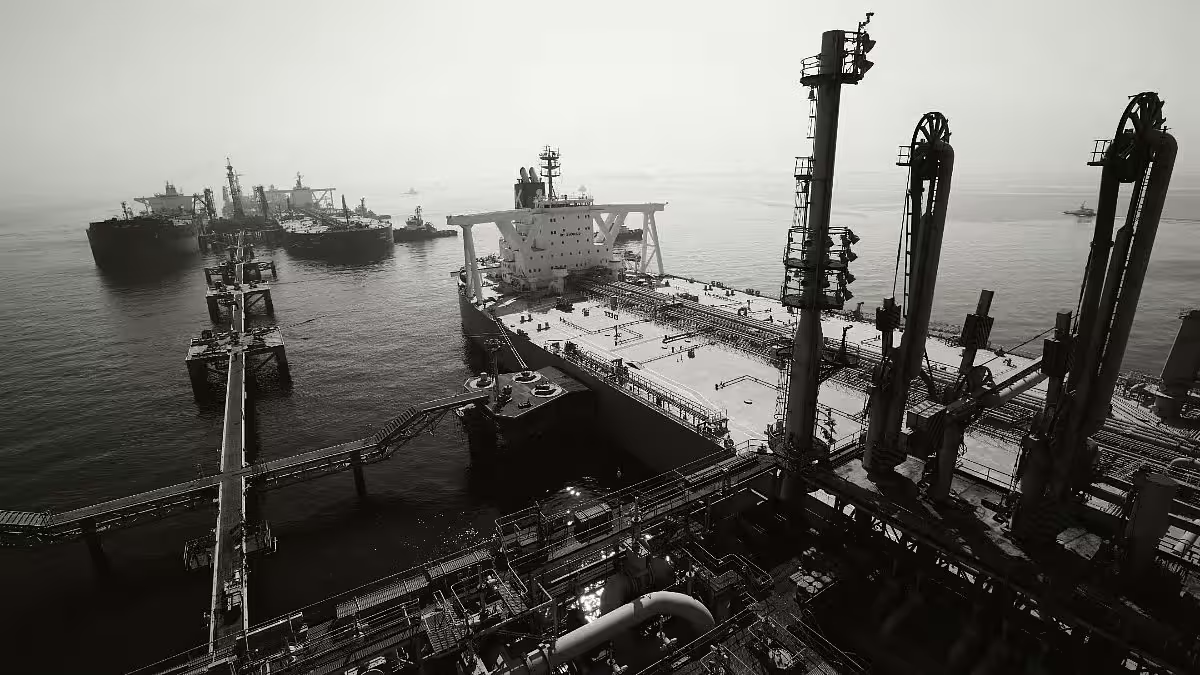
- Hormuz disruption: Trump claimed Hormuz was open and operating and that all water mines had been removed or detonated. Shipping data, however, showed traffic at a fraction of pre-war levels, while European officials questioned whether mine clearance was complete. Brent crude remained above $91 a barrel. Britain said a departing vessel was struck, damaging its engine room and causing one casualty.
Background
The conflict began on February 28 with US and Israeli air strikes against Iran, triggering parallel regional confrontations. Washington says its main objective is preventing Iran from obtaining a nuclear weapon, an ambition Tehran denies. About one fifth of global oil and gas previously passed through Hormuz.
What’s next
The next indicators are whether Iran and Oman reach their proposed agreement on managing Hormuz, whether the planned European mine-clearance mission begins, and whether shipping data records a sustained increase in vessel traffic through the strait.