The latest
Intermediaries are revising a June 17 US-Iran memorandum on reopening the Strait of Hormuz, with indirect talks at an advanced stage, a Pakistani official told The National. The earlier framework paired a 60-day pause in hostilities with negotiations toward a permanent ceasefire. The official said messages were passing between Washington and Tehran and that the updated text focused on “opening the strait and keeping it open”.
Details
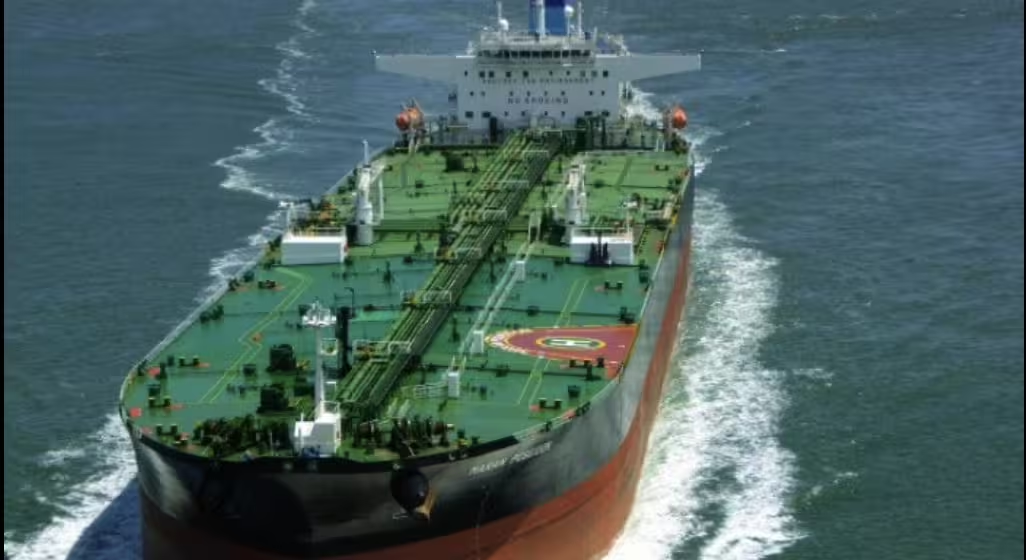
- Proposed lanes: Axios reported, citing two regional sources and a US official, that inbound vessels would use a northern lane through Iranian waters, while outbound traffic would use a southern lane through Omani waters in co-ordination with Iran. The initial arrangement would last 60 days, could be extended and would impose no tolls or fees.
- Mine deadline: Under the proposal described by Axios, parties would clear naval mines from the strait’s median lane within 30 days. Iranian state media had also raised a “middle corridor”. The Pakistani official said that route and Iran-Oman talks were central to the revised deal, though details remained contested.
- Mediation demands: Pakistan is relaying messages between the sides, while Qatar and Oman are also helping communication and moving proposals, according to the report. The Pakistani official said Washington wanted assurances that “all sea lanes” remain open to trade and passage. Gulf Co-operation Council states preferred every obligation to be explicit.
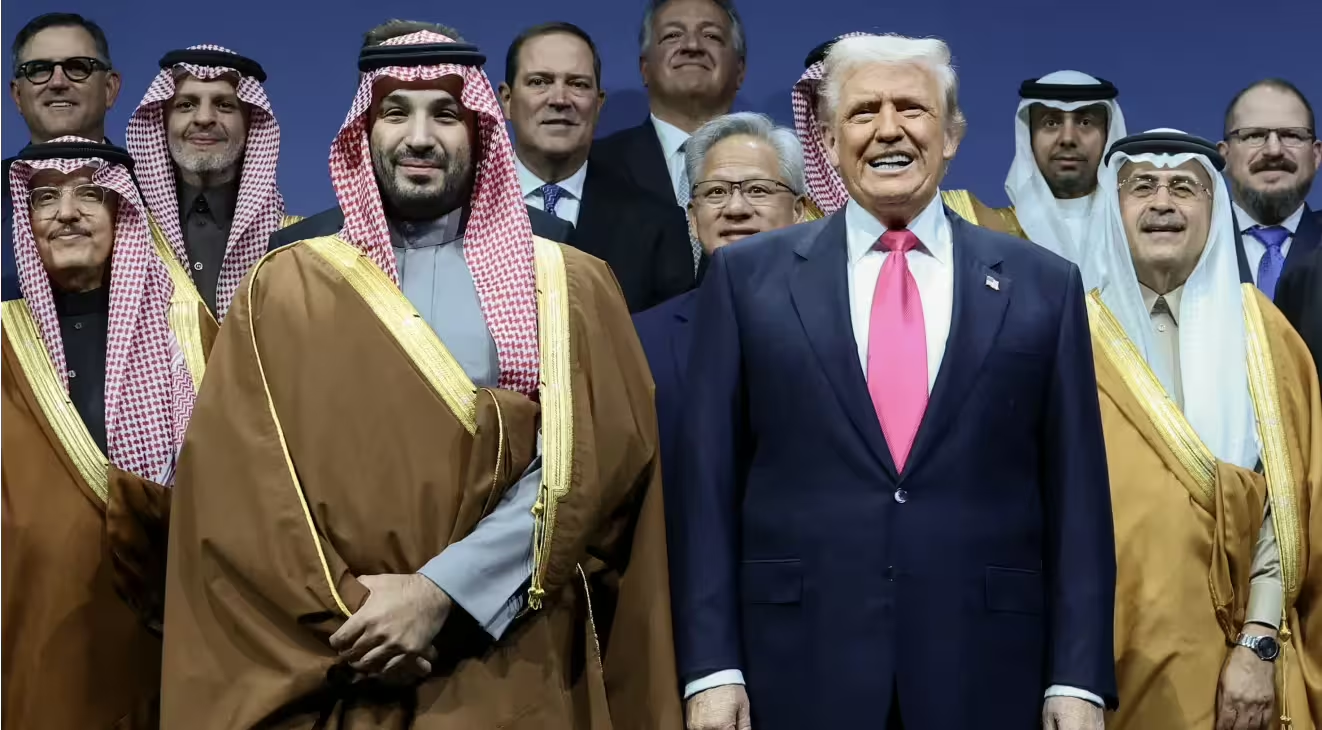
- US signals: President Donald Trump called discussions “very good” and “moving along nicely”, saying there would be clarity within 48 hours, while threatening severe consequences if Iran withdrew. Secretary of State Marco Rubio reported progress but “not finality yet”. Treasury Secretary Scott Bessent said a deal could come within one or two days.
- Iranian objections: Sepahnews, described as linked to Iran’s Revolutionary Guard, quoted an Iranian source saying US interference and Trump’s military threats were delaying talks with Oman. Iran has raised shipping tolls, opposed by Washington and Gulf states. An Omani proposal leaked last week instead suggested voluntary charges to fund navigation and services such as search and rescue, resembling arrangements in the Strait of Malacca. Iranian Deputy Foreign Minister Kazem Gharibabadi said Hormuz “will never return to its pre-war state”. Deal expectations sent Brent below $79 on Wednesday, its first move below $80 since July.
Background
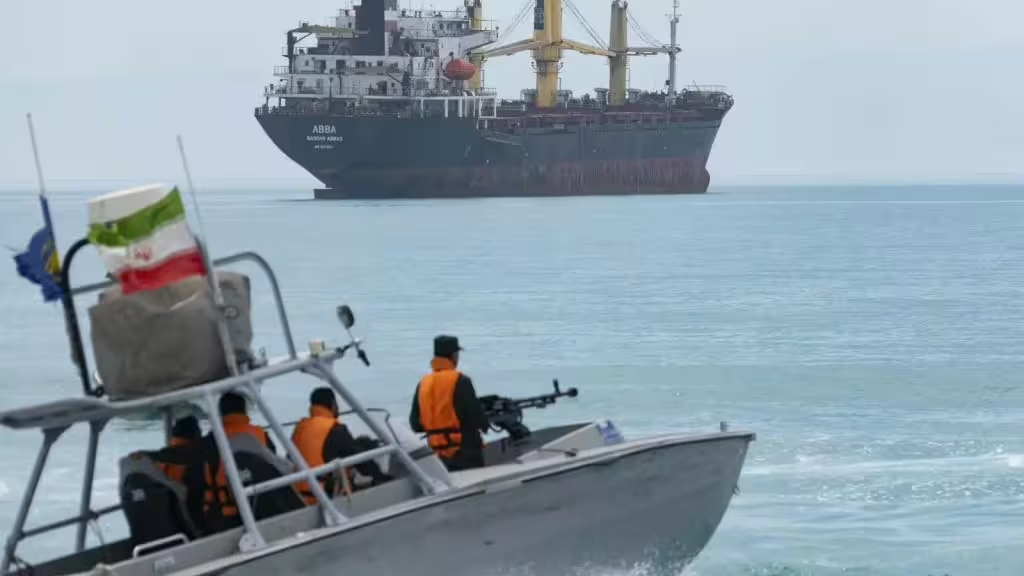
A preliminary mid-June understanding produced a fragile ceasefire and a 60-day negotiating framework, but The National reported that it unravelled after Iran attacked oil tankers around Hormuz, prompting renewed fire. Whether Iran-backed Houthi attacks on shipping in the Red Sea enter the updated agreement remains unclear.
What’s next
The first concrete tests are Trump’s 48-hour window and Bessent’s one-to-two-day estimate. Any released text will show whether negotiators settled lane guarantees, the 30-day mine-clearance deadline, temporary fee restrictions and extension terms.