The latest
The United Arab Emirates moved more crude through the Strait of Hormuz than any other producer over the past two months, cushioning global supplies during an energy crisis, Bloomberg reported. Vortexa estimated that the UAE was the only Middle Eastern producer to restore seaborne exports to pre-war levels in June and July, despite an intensified US bombing campaign against Iran and further Iranian attacks on shipping around the strait.
Details
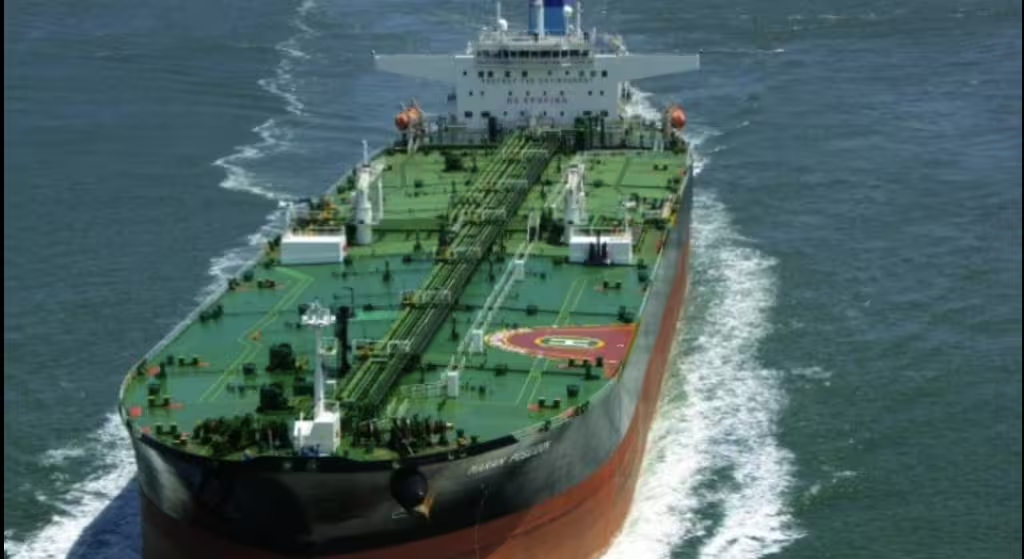
- Transfer route: The supertanker Romania Prosperity appeared in the Gulf of Oman on Tuesday after switching off its transponder in late July, carrying Adnoc crude, according to Kpler. UAE cargoes typically cross Hormuz and transfer to another vessel outside the gulf for worldwide delivery. Tracking gaps mean the true number of crossings is likely higher.
- Tender volumes: Adnoc sold more than 130 million barrels through an unprecedented seven tenders from the start of June, according to traders who requested anonymity because they were not authorized to speak publicly. The volume exceeds one month of Japanese crude demand, and most of the oil was purchased by Asian refiners.
- Market effect: Brent traded around $79 a barrel on Thursday as the shipping workarounds countered expectations of steeper shortages and price spikes. June Goh, senior oil market analyst at Sparta Commodities, said Adnoc barrels stabilized Asian supplies. Regional refineries cannot easily replace the medium-sour crude generally produced in the Middle East, she added.
- Alternative logistics: The UAE spent heavily chartering tankers at elevated rates for shuttle runs and used a cross-country pipeline to move additional barrels without Hormuz. It maintained LNG deliveries as well: the Adnoc tanker Mubaraz appeared near India after disabling its transponder inside the gulf the previous month. Adnoc declined to discuss vessel positions, movements or routing.
- Regional routes: Iraq and Kuwait moved smaller volumes through similar arrangements. Saudi Arabia bypassed Hormuz by piping crude to Yanbu on the Red Sea, but threats and attacks by Iran-backed Houthi militants disrupted that route, according to Vortexa analyst Xavier Tang. He said the disruption could increase refiners’ reliance on UAE barrels.
Between the lines
Medium-sour crude’s limited substitutability gives UAE flows outsized importance in Asia. Adnoc also pressed some traders to improve bids submitted below the Dubai benchmark after broader prices declined. Still, its stronger marketing position has not advanced efforts to establish flagship Murban crude as a futures benchmark.
What’s next
A comprehensive agreement to reopen Hormuz is the next concrete indicator for supply. Such a deal would likely increase Persian Gulf exports, but stop-start negotiations have led analysts and traders to expect shuttle transfers to continue until an agreement is reached.