The latest
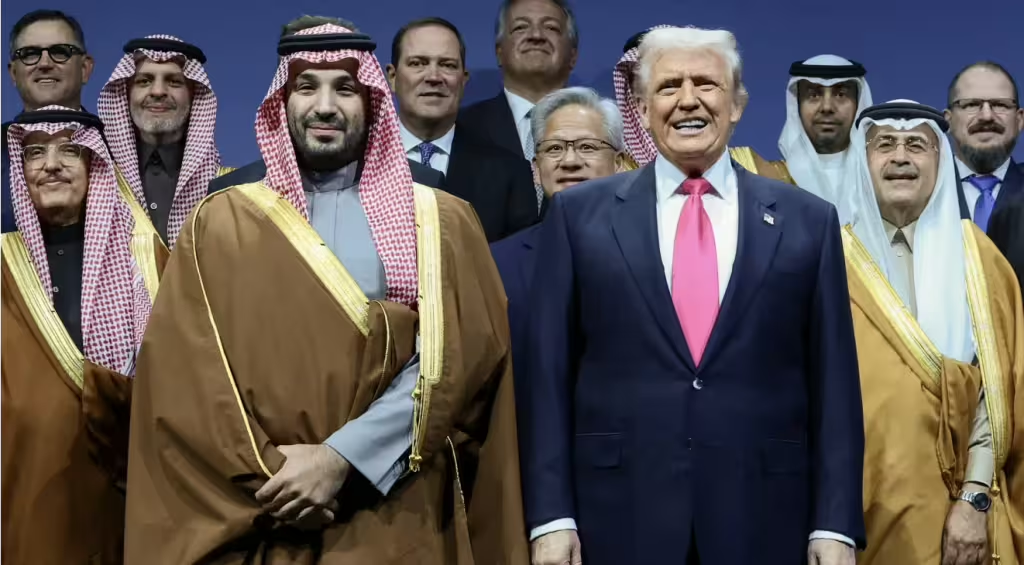
Donald Trump postponed planned US strikes on Iran after Saudi Defence Minister Prince Khalid bin Salman visited Washington and Crown Prince Mohammed bin Salman called the president, The Times reported. The reversal surprised Israel and followed Saudi pressure for de-escalation, but competing US and Iranian accounts of negotiations reinforced concerns in Riyadh about Washington’s credibility as the Strait of Hormuz remained mostly closed to regional traffic
Details
- Saudi position: Riyadh initially opposed the war, then urged Trump to finish it once fighting began, according to the newspaper. Saudi frustration grew as the conflict disrupted energy trade and revenue while appearing to radicalise Iran’s regime. Researcher Aziz Alghashian called credibility “one of the casualties of this war” and cited repeated ceasefires that collapsed.
- Conflicting accounts: Trump said Iran’s request for talks persuaded him to halt the weekend attack and later told reporters negotiations were under way. Iran denied scheduled talks with Washington, saying its Hormuz discussions involved Oman. Trump accused Tehran of duplicity and said the US blockade would remain until a deal or “total surrender”.
- Strike threat: Trump had threatened the “biggest attack since World War Two” and said the postponed operation would have left “little left” in Iran. He also said he wanted to give Tehran every last chance before “decapitation”. The Times said the abrupt change strengthened regional doubts about his reliability.
- Oman channel: Iran said it had made progress with Oman on managing the strait. Muscat proposed voluntary fees for maintenance and navigation services, although the mechanism and shipping routes remained unclear. Saudi Arabia, Pakistan and Qatar support the channel. A satisfactory agreement could revive the June memorandum signed before the ceasefire unravelled.
- Nuclear friction: Saudi distrust also extends to civilian nuclear co-operation. Trump announced in July an agreement to help the kingdom build a reactor and possibly enrich uranium. After criticism in Washington, he made it conditional on Saudi diplomatic ties with Israel. Saudi officials told The Times that condition was not in the agreement and had surprised Riyadh.
Between the lines
Ali Vaez, who heads the Iran project at the International Crisis Group, said Trump faced a choice between an unwinnable war and an unpalatable deal. Farzan Sabet of the Geneva Graduate Institute questioned whether limited, timebound escalation could change Tehran’s calculations or sufficiently reduce its ability to threaten strait traffic and Gulf energy infrastructure. CNN separately reported that a senior US military officer sought “creative and unconventional” ideas to pressure Iran.
What’s next
The immediate indicator is whether Iran and Oman settle the fee system, vessel routes and terms for reopening the Strait of Hormuz. Trump said the strait could open completely by Tuesday, August 4, without a confirmed joint timetable. Any Tehran-approved arrangement could return the parties to June’s memorandum; otherwise, the postponed US strikes remain unresolved.