The latest
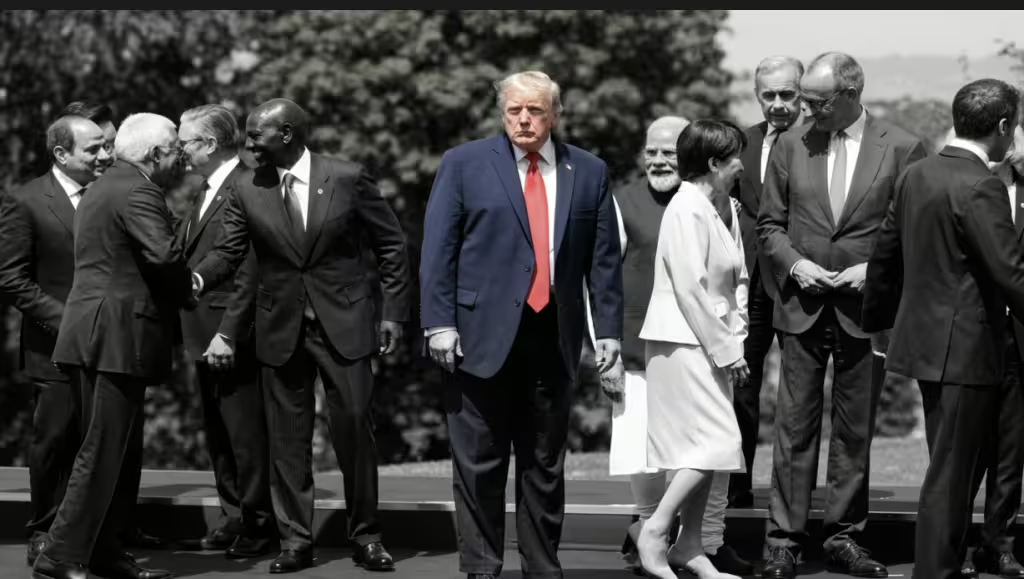
President Donald Trump expressed optimism about Iran negotiations in a Fox News interview recorded Tuesday, but warned that “if they don’t make a deal, it’s going to be too bad.” He later told reporters in Los Angeles that talks were “moving along very nicely” and said the outcome should become clear within 48 hours, as Washington pursued a Wednesday announcement on reopening the Strait of Hormuz.
Details
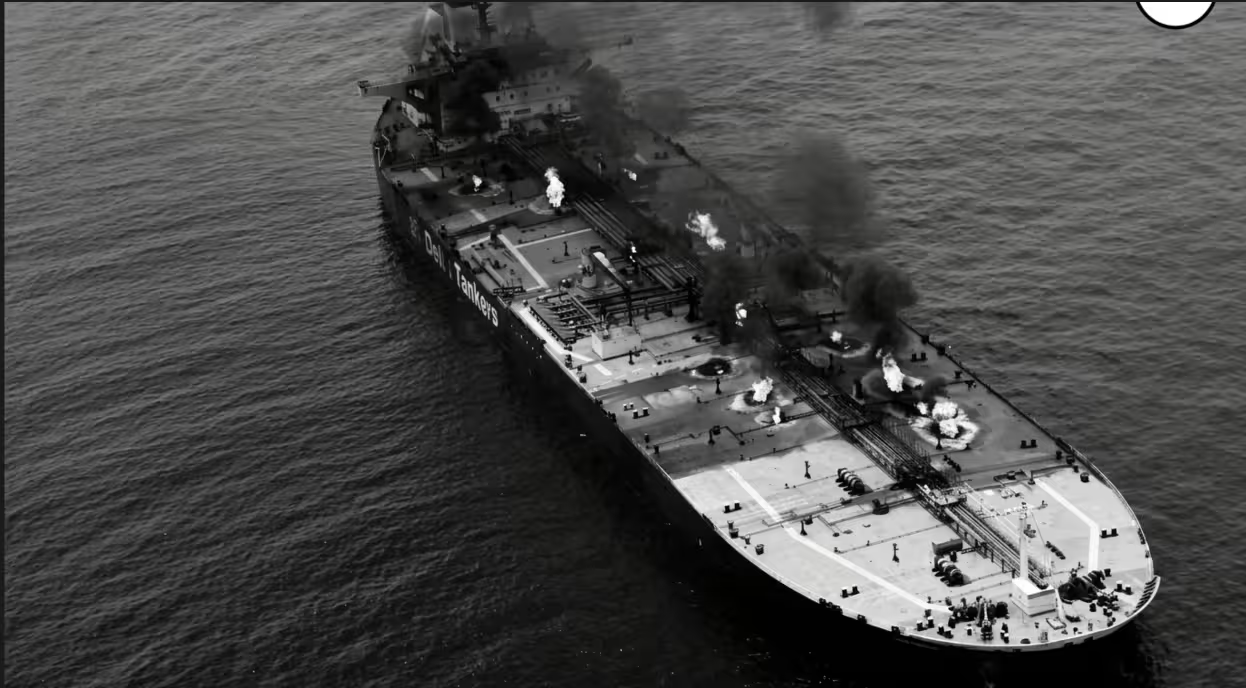
- Temporary shipping plan: The proposed 60-day arrangement would direct Gulf-bound vessels through a northern lane in Iranian waters, according to Axios, while outbound ships would use a southern lane through Omani waters in coordination with Tehran. The system could be extended, and ships would pay no tolls or fees during its initial period.
- Mine-clearing timetable: Iran and Oman would seek to clear naval mines from the strait’s middle lane within 30 days. Once cleared, that route could carry traffic in both directions under a permanent arrangement to be negotiated by Tehran and Muscat. Bloomberg reported that Iran was considering allowing European countries to assist with mine removal.
- No final accord: Axios cited a US official and regional source as saying Iran’s leadership completed its approval process Tuesday. Qatar and US officials nevertheless cautioned that no agreement had been finalized. Iranian Foreign Ministry spokesman Esmail Baghaei described talks with Oman as positive, while Iran denied direct talks with Washington.
- Regional mediation: Qatari, Pakistani and Saudi officials participated in mediation alongside the Iran-Oman discussions, regional sources told Axios. The negotiations included calls involving Trump envoy Steve Witkoff, Iranian Foreign Minister Abbas Araghchi and Omani Foreign Minister Badr al-Busaidi. Qatar said a de-escalation proposal was circulating among the parties.
- Ceasefire risk: The White House, Oman and regional mediators believed they had reached an understanding three weeks earlier, Axios reported, before Iran resumed attacks on ships and fighting escalated. Trump withheld a threatened bombing campaign Saturday to allow more time for diplomacy, but could authorize major strikes if negotiations fail.
- Energy and nuclear track: Brent crude traded below $79 a barrel as expectations of an agreement strengthened. Secretary of State Marco Rubio described a two-stage US approach: an immediate arrangement covering the strait, followed by broader negotiations over Iran’s nuclear program. A Hormuz agreement could restore commercial shipping without settling the wider conflict.
Between the lines
The proposal would give Iran a larger role in managing inbound Gulf traffic while withholding the tolls Tehran had demanded. Gulf governments are concerned that control over shipping access could provide Iran with lasting political and economic leverage, The Wall Street Journal reported.
What’s next
Trump’s 48-hour window and Washington’s targeted Wednesday announcement are the immediate tests. Confirmation would require formal approval from participating governments, followed by implementation of the northern and southern shipping lanes and the start of mine clearance within the proposed 30-day deadline.