The latest
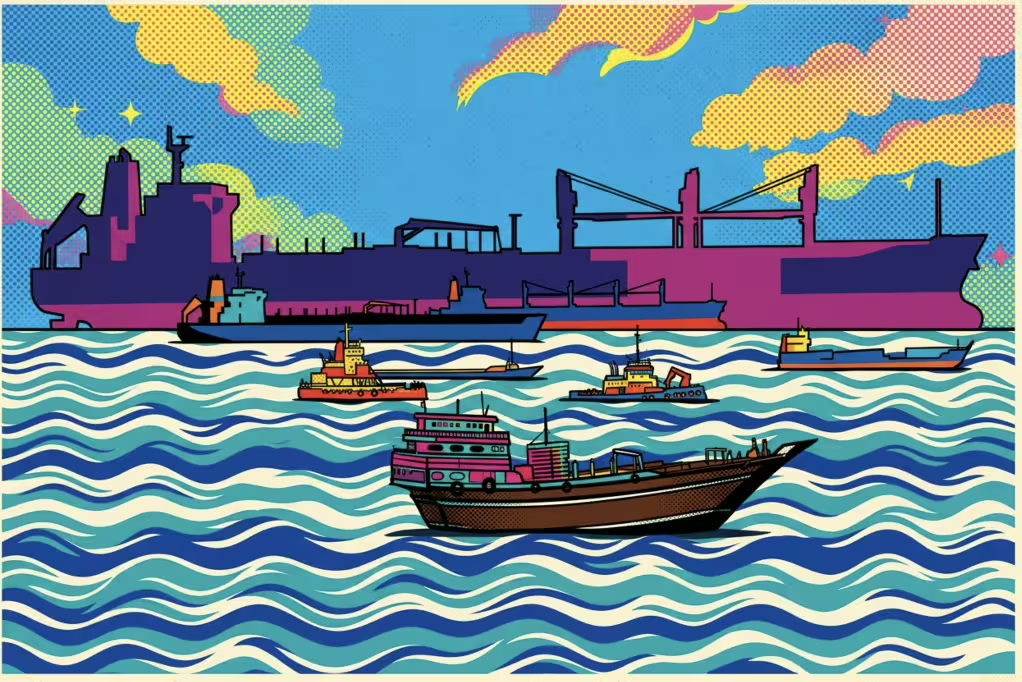
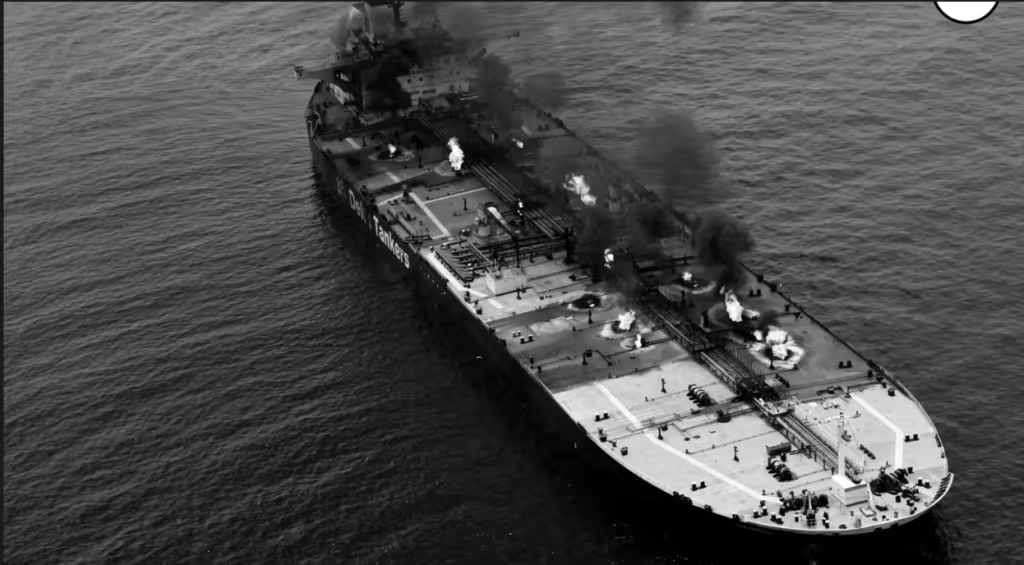
Saudi Arabia is assembling a multinational naval coalition intended to protect Red Sea commerce from Houthi attacks, according to a Bloomberg Opinion column by retired US admiral James Stavridis. He wrote that 14 of nearly 50 countries and organizations represented at a Riyadh meeting had signed on. The proposed force would combine regional fleets, Saudi logistical support and possible US and European assistance as threats around Bab el-Mandeb disrupt traffic linking the Indian Ocean with the Suez Canal.
Details
- Shipping exposure: The column says the Red Sea-Suez route handles up to 30% of containerized shipping. It also estimates that tankers using it have carried as much as 15% of global petroleum products since the Strait of Hormuz crisis began.
- Coalition roster: Named participants include Egypt, Turkey, Pakistan, Kuwait, Bahrain, Qatar and Jordan. Stavridis says Gulf Arab navies have experience operating together, but Saudi leadership and logistics from Red Sea bases would underpin the mission.
- Saudi capacity: Saudi Arabia has more than 30 modern warships, according to the column, as well as maritime aviation and helicopters. Its fleet is divided between the Persian Gulf and Jeddah, leaving the western force to carry the immediate burden.
- Naval weight: Egypt brings two Mistral-class helicopter carriers, eight submarines and a direct interest in Suez traffic. Turkey has at least 10 diesel submarines, 17 frigates and nine corvettes; its TCG Anadolu could provide command-and-control capacity. Pakistan has frigates, diesel-electric submarines and maritime patrol aircraft, the column says.
- Mission design: The proposal begins with mapping Houthi operating patterns and tracking missile and drone launches, potentially using US satellites and the EU’s Operation Aspides. A joint center in Jeddah or aboard Anadolu would coordinate intelligence, responses and patrol aircraft.
- Convoy model: Fast patrol boats would escort tankers in groups, each supported by at least one guided-missile frigate. Stavridis also proposes small defense teams aboard commercial vessels, equipped with portable air-defense weapons and heavy machine guns.
- Regional absences: The UAE and Oman had not joined, Stavridis wrote. He linked Abu Dhabi’s absence to strains with Riyadh and Iranian attacks, but the material included no official Emirati or Omani explanation.
Between the lines
Stavridis argues that the coalition could perform these tasks if Riyadh leads effectively and Washington and Europe assist. He presents strikes on Houthi bases as a possible next step if maritime deterrence fails, while acknowledging the risks of retaliation and wider escalation.
What’s next
Watch for an official release naming all 14 signatories, the command structure, headquarters and deployment timetable. The next operational indicators are warship deployments, convoy formation, and confirmation of intelligence or liaison support from the US and Operation Aspides.