The latest
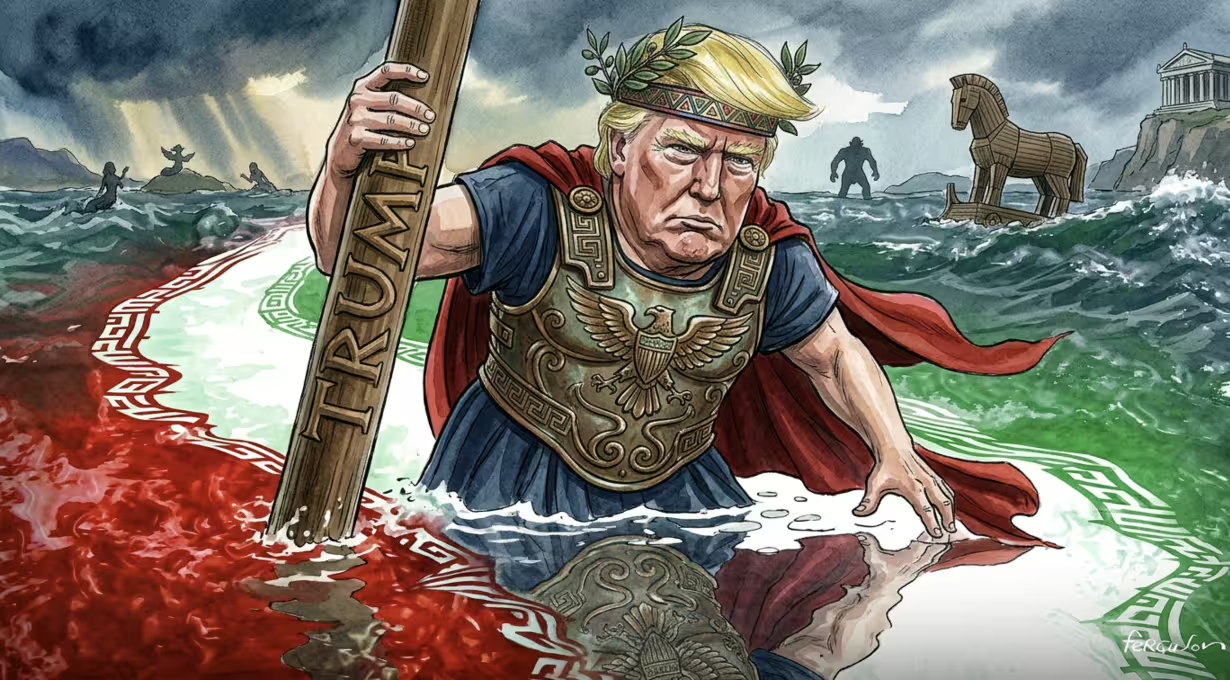
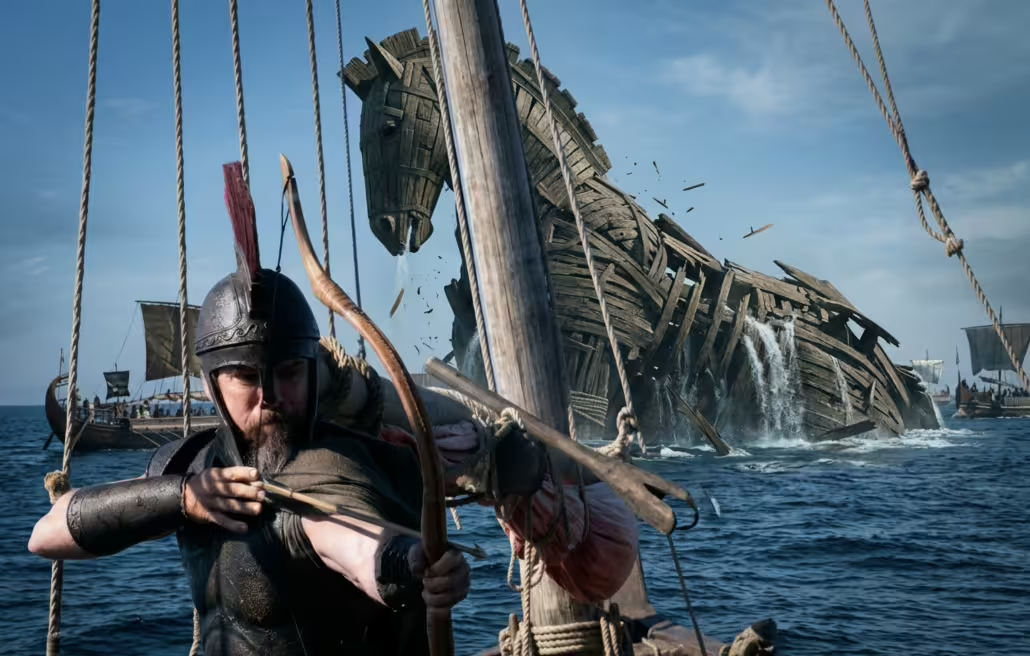
President Donald Trump continued using Truth Social to deliver threatening messages toward Iran through AI-generated images, despite a pause in direct military exchanges over the past two days. His posts coincided with signs of de-escalation on the ground and ongoing political contacts, while Iranian media responded with an AI-generated counter-campaign.
Details
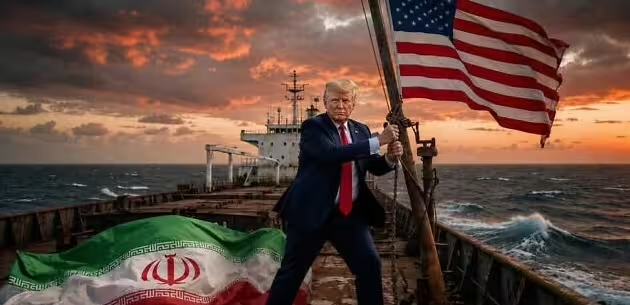
- Trump’s posts: Trump shared AI-generated images depicting strikes on Iran’s Khark Island oil terminal and others showing him standing aboard an Iranian oil tanker under the caption, “It’s our tanker now!”
- Military pause: No new U.S. strikes were reported on Saturday or Sunday, while Iran halted its retaliatory missile attacks, saying the pause would continue as long as Washington refrained from further attacks.
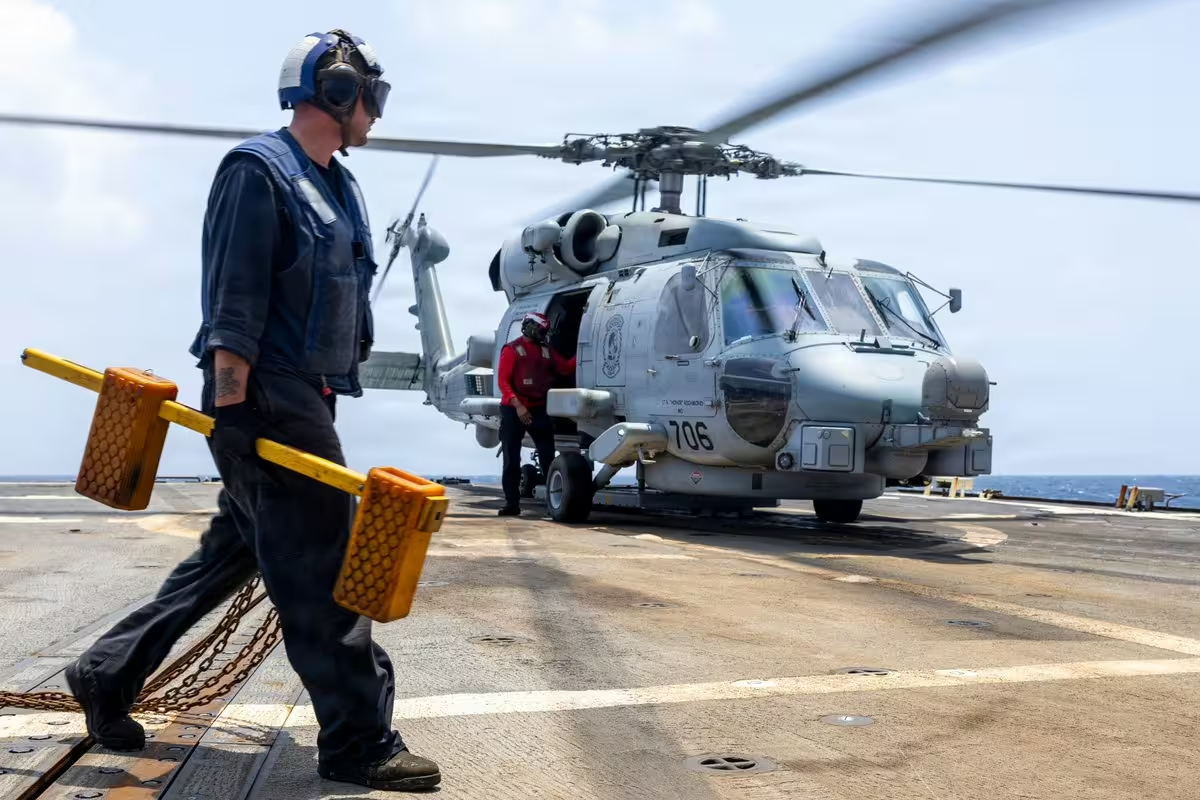
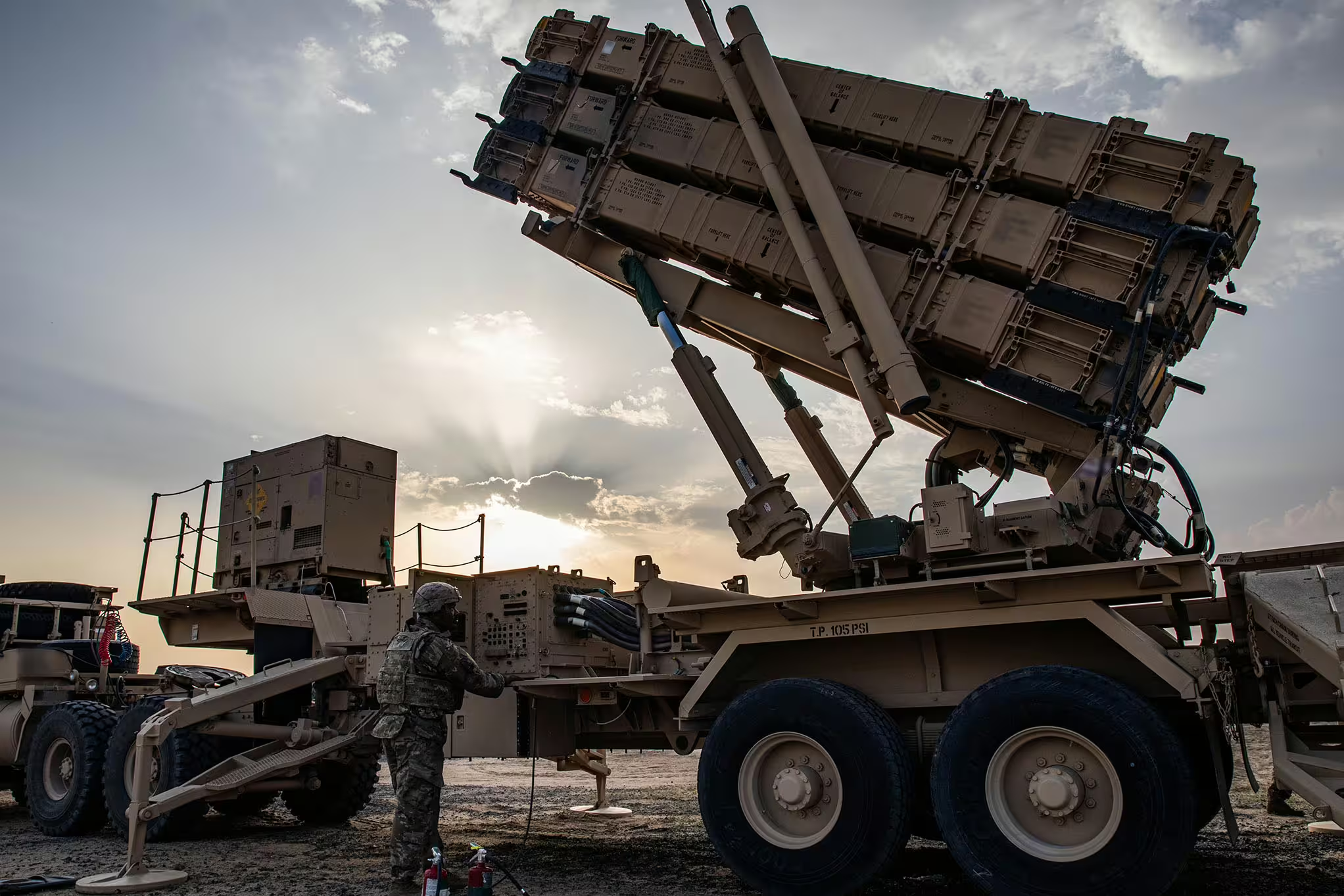
- Debate over military resources: The Trump administration rejected reports that the U.S. was running short of targets or munitions. Trump told The Wall Street Journal that the United States has “far more ammunition than we need,” even as U.S. officials told media outlets that many preplanned targets had already been exhausted.
- Iran’s response: Iran’s Mehr News Agency released its own AI-generated video using Lego-style characters, depicting an American soldier struggling in the heat on Khark Island in a satirical response to Trump’s posts.
- Oil markets: The relative lull in fighting eased immediate concerns about disruptions in the Strait of Hormuz, helping stabilize oil prices, although markets remain cautious over the risk of renewed escalation.
Background
Khark Island serves as Iran’s primary oil export terminal, handling the majority of the country’s crude exports. The Strait of Hormuz remains one of the world’s most critical maritime chokepoints, carrying roughly one-fifth of global seaborne oil shipments, making any threat to the waterway significant for international energy markets.
Between the lines
Trump’s posts suggest that strategic messaging is no longer confined to official statements. AI-generated imagery has become part of psychological deterrence and influence operations, while Iran’s decision to answer with similar AI content reflects an expanding information battle alongside the military standoff.
What to watch
Attention will focus on whether the military pause holds and whether the increasingly aggressive online messaging remains part of a psychological campaign or signals a return to military operations that could affect U.S.-Iran diplomacy.