The latest
US Central Command chief Adm. Brad Cooper recommended ending the bombing campaign around the Strait of Hormuz after most of its designated targets had been exhausted, according to people familiar with his position. His advice, alongside recommendations from other officials, influenced President Donald Trump’s decision to pause strikes for the first time in two weeks.
Cooper concluded that the strikes had significantly reduced Iran’s ability to attack ships but that continuing the same campaign would serve little purpose. He identified a separate option: resuming major combat operations to hit the remaining 20% of targets designated by Washington but left untouched during Operation Epic Fury.
The pause coincided with Iran refraining from attacking US bases for a second consecutive night, giving Oman room to negotiate a safe shipping arrangement with Tehran. Washington’s naval blockade of Iranian ports remains in place, while Iran says the status of traffic through the strait has not yet changed.
Details
- Change of course: Trump had been leaning toward resuming major combat operations before shifting his position after meetings with senior advisers and military officials.
- Limits of air power: The recommendation amounted to an acknowledgment that bombing alone could not achieve all of Washington’s objectives in the strait.
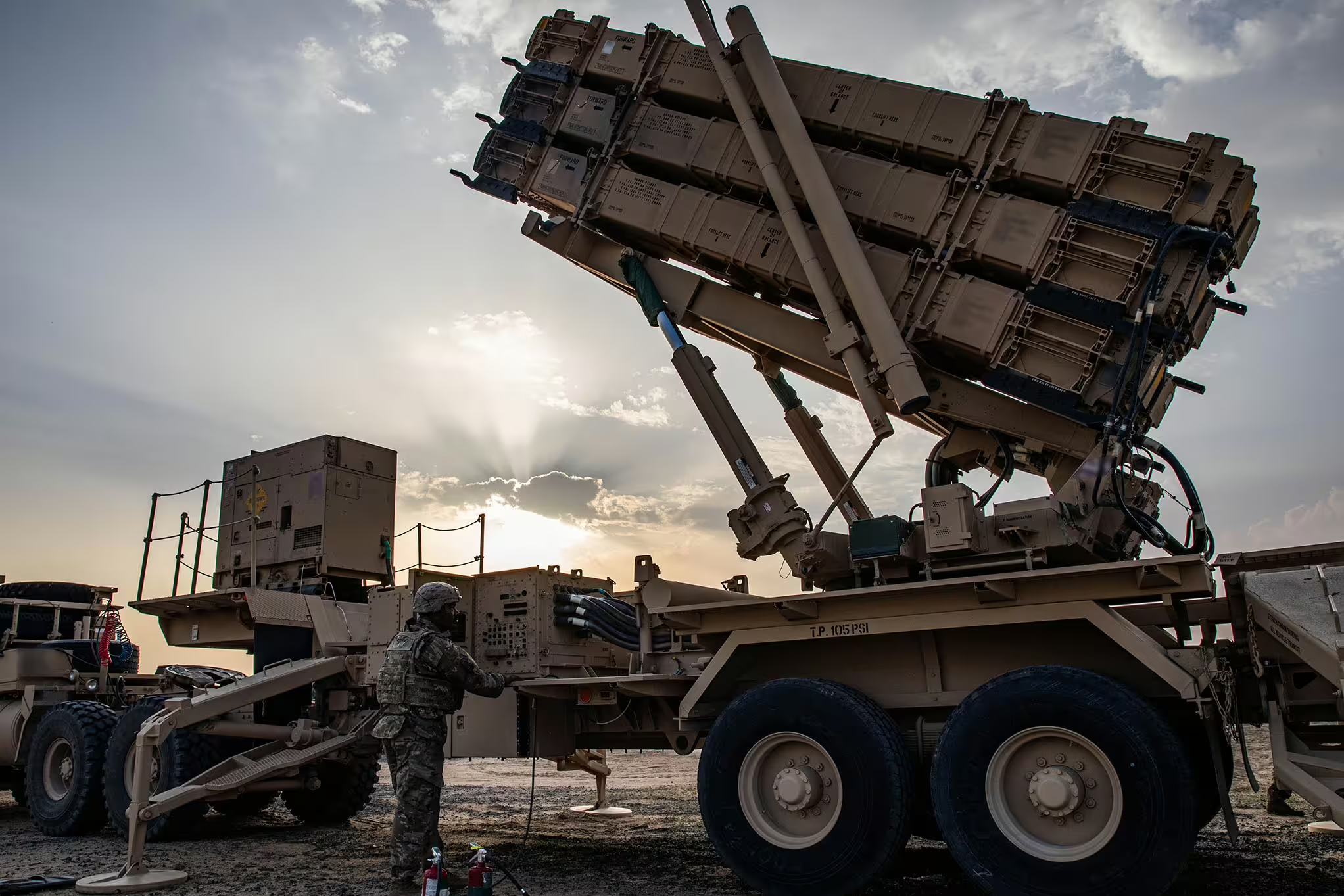
- Air defenses: Joint Chiefs Chairman Gen. Dan Caine warned that interceptor shortages could hinder efforts to protect US forces and regional allies.
- Official denial: US Ambassador to the UN Mike Waltz denied that interceptor shortages drove the pause, while acknowledging that the war in Ukraine had depleted parts of the US military stockpile.
- Southern corridor: Negotiators are discussing how much shipping should pass along Oman’s coast and how much should transit through Iranian waters.
- Limited progress: Iran described its talks with the Omani delegation as constructive and reported some progress, but no final agreement has been reached.
- Mediation goal: Oman aims first to restore shipping through the strait, then create conditions for Washington and Tehran to negotiate an end to the war.
- Blockade remains: The halt in airstrikes did not include lifting the US naval blockade on Iranian ports.
- International effort: The US and UK are discussing a conference to establish a coalition to protect shipping and clear mines from the strait.
Between the lines
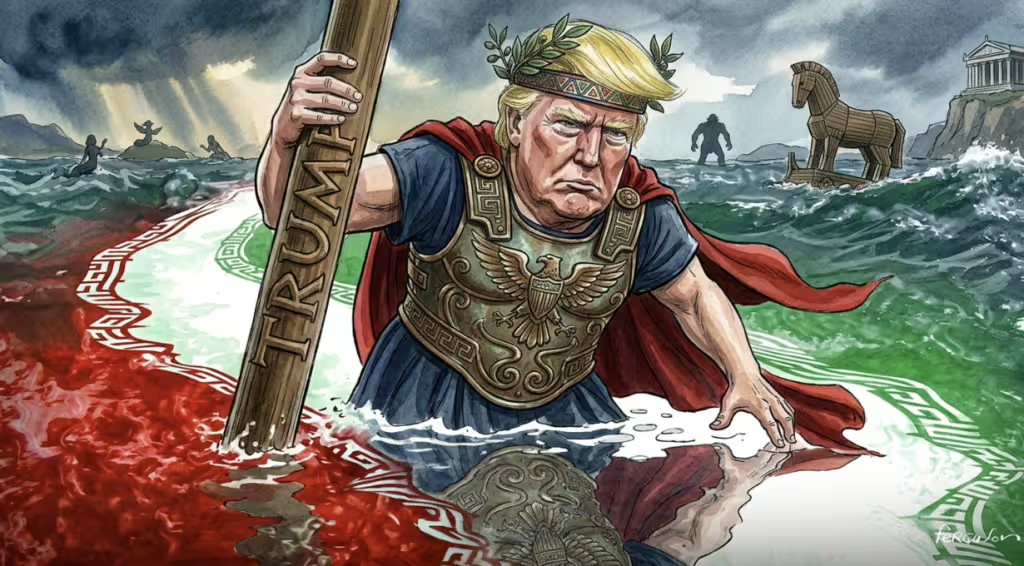
The pause is less a formal de-escalation agreement than an acknowledgment that the current campaign is producing diminishing military returns. It gives Omani diplomacy an opening while preserving the option of broader strikes if Trump rejects the proposed shipping arrangement.
What to watch
Attention will focus on whether Iran accepts a division of shipping between the Omani corridor and Iranian waters, and whether Trump approves the resulting deal. If mediation fails, Washington could shift from limited bombing to broader operations against the remaining targets, returning the conflict to direct escalation.
Sources