
The latest
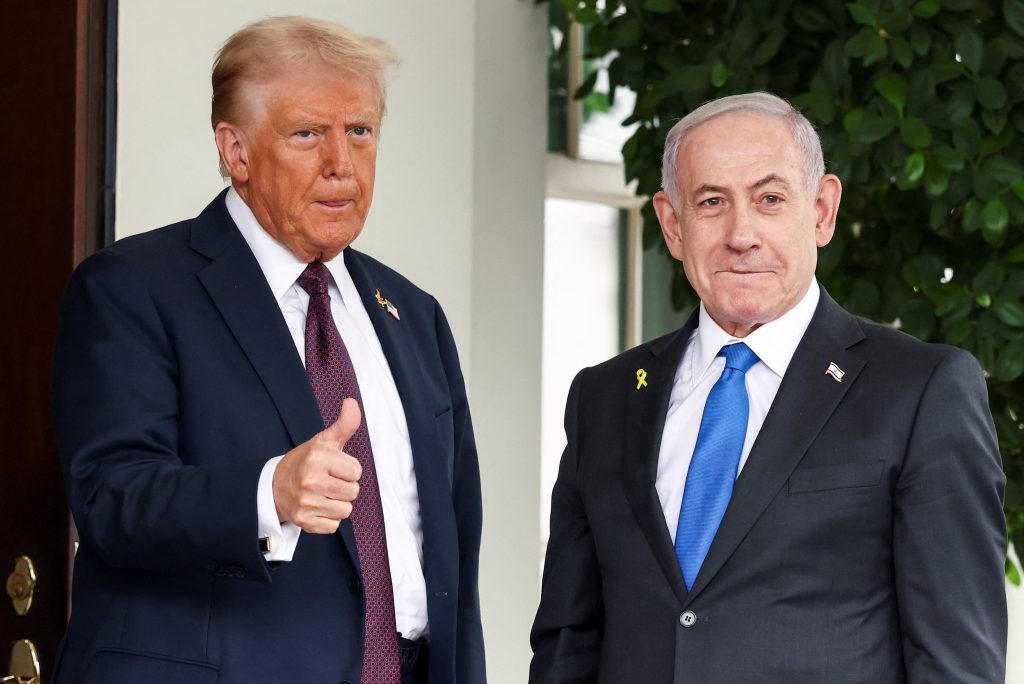
Prime Minister Benjamin Netanyahu is traveling to the White House to meet President Donald Trump as the two leaders remain divided over Iran. According to Israeli and U.S. reports, Netanyahu hopes to secure security understandings with Washington even if he fails to persuade Trump to abandon his diplomatic approach toward Tehran.
Details
- Iran first: According to The Times of Israel, Netanyahu plans to present new intelligence on Iran’s nuclear and military programs in an effort to encourage a tougher U.S. stance, while the Trump administration says it wants to give diplomacy more time.
- Different priorities: Netanyahu is seeking to preserve the military option against Iran ahead of Israel’s elections, while Trump is focused on avoiding another regional conflict that could raise energy prices and hurt the U.S. economy before the midterm elections.
- Gaza and Lebanon: The two governments appear more closely aligned on Gaza and Lebanon, where Washington is promoting security arrangements involving phased withdrawals, disarmament of armed groups, and U.S.-backed monitoring mechanisms.
- Regional normalization: Israeli officials and analysts believe progress toward normalization with Saudi Arabia could deliver an important political victory for Netanyahu, although major obstacles remain, including the war in Gaza and the Palestinian issue.
- Reduced influence: U.S. and Israeli reports suggest Trump has made several strategic decisions in recent months that diverged from Israeli preferences, including continuing diplomacy with Iran, showing openness to selling F-35fighter jets to Turkey, and advancing civilian nuclear cooperation with Saudi Arabia.
Background
Trump and Netanyahu enjoyed close coordination during the early months of Trump’s second term. However, disagreements emerged after Washington decided to halt military escalation with Iran and return to diplomacy, exposing growing differences in their strategic priorities despite continued close security cooperation.
Between the lines
If Netanyahu cannot convince Trump to harden his Iran policy, his more realistic objective may be securing agreed red lines that would allow Israel greater freedom to act militarily should diplomacy fail or Iran cross U.S.-defined thresholds.
What to watch
Statements issued after the Trump-Netanyahu meeting will be closely watched for any indication of new understandings on Iran, Saudi normalization, or U.S.-backed arrangements for Gaza and Lebanon.