The latest
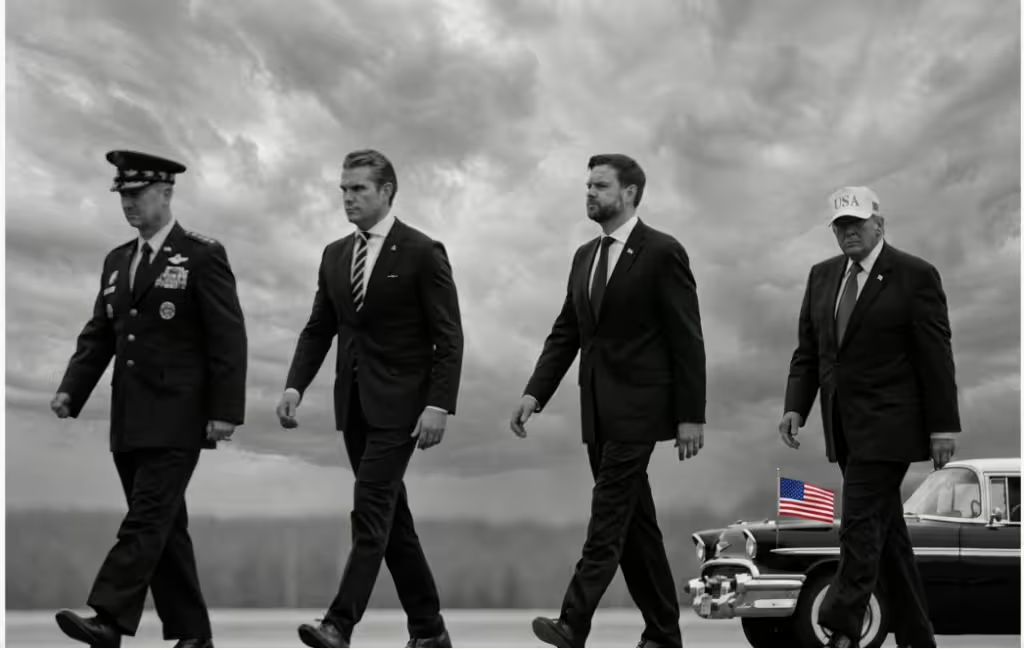
Vance and Gen. Dan Caine discussed the risks of escalating the war during a White House meeting on Friday, as President Donald Trump considered launching a broader attack on Iran. After the meeting, the United States halted its air campaign for a second night. A Defense Department source described operations as being “on hold.”
Caine specifically raised concerns about weapons stocks and other potential consequences. Sources familiar with the meeting said he told Trump and the military that the available options could be carried out successfully, but warned about their possible effects. It remains unclear whether those warnings were the main reason the strikes were paused or whether the halt will continue.
The developments came as Trump said diplomacy remained his preferred option, while keeping open the possibility of resuming or intensifying the bombing campaign. The administration is continuing contacts with Iran as Gulf states urge restraint and regional mediators explore arrangements linked to reopening the Strait of Hormuz.
Details
- Military warning: Caine raised concerns about depleted munitions stocks and the consequences of a prolonged campaign.
- Vance’s position: The vice president joined the discussion about the risks of expanding the war during the White House meeting.
- Pause in strikes: The United States halted attacks for a second night after 13 consecutive days of strikes.
- Options remain open: Trump has not ordered a return to major operations, but the military continues preparing escalation plans.
- Gulf pressure: Gulf states have urged U.S. officials to show restraint while acknowledging Washington’s ability to escalate.
- Diplomatic track: Trump has kept negotiators in contact with Tehran despite threatening to intensify the attacks.
Between the lines
The internal debate shows that the issue is not simply whether the United States can conduct more strikes, but whether it can sustain a prolonged war without depleting its stockpiles or achieving defined political goals. Options between limited strikes and deploying ground troops offer no clear guarantee of delivering Trump’s desired outcome.
What to watch
The next phase will depend on Trump’s decision on the pause and the results of contacts with Iran. Successful talks over the Strait of Hormuz could extend the halt, while failure could return the administration to airstrikes despite military and political warnings about the costs.