The latest
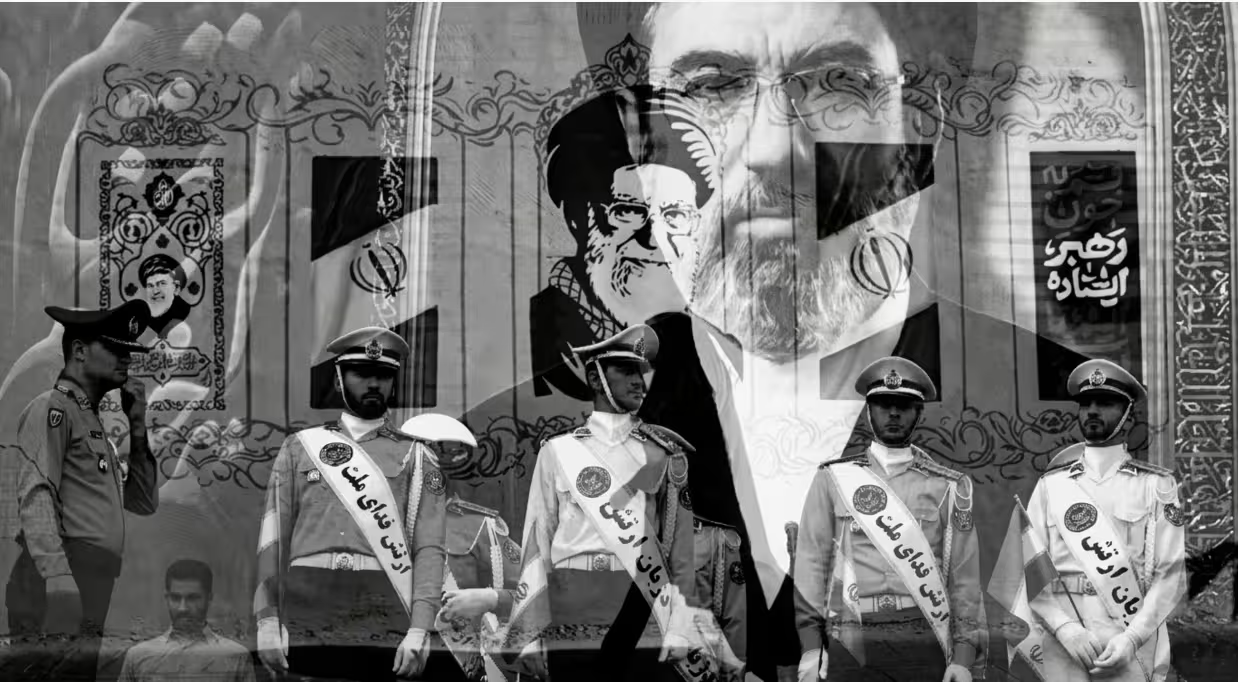
The war with the United States, along with protests and mourning ceremonies for Iran’s late supreme leader Ali Khamenei, led to repeated closures for vendors on Enghelab Street, one of Tehran’s best-known thoroughfares. Bookstands and small stalls shut for days, first during protests over inflation and the collapsing currency, then during the war and finally during Khamenei’s funeral observances.
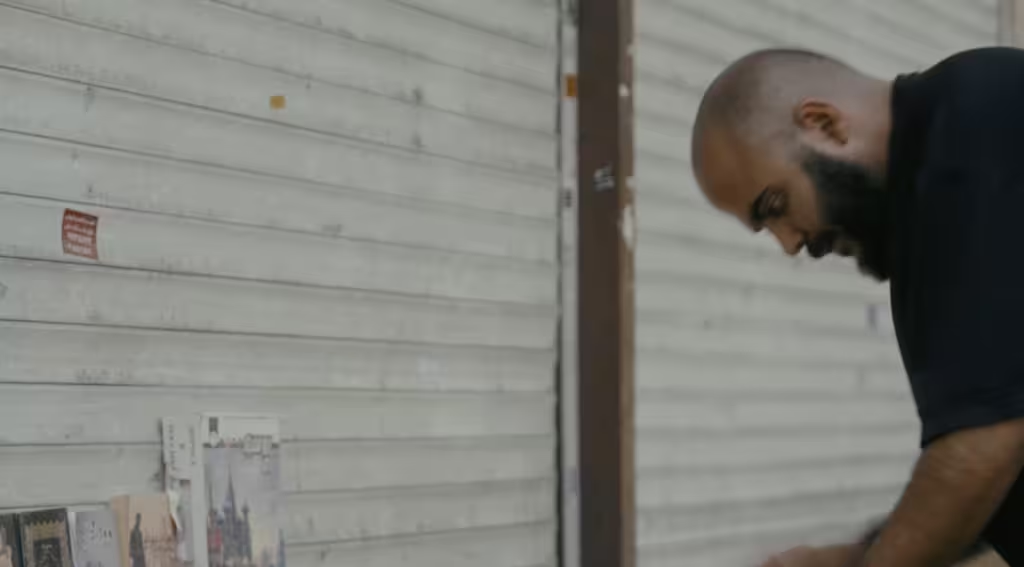
Saeed runs a bookstand near Enghelab Square, named after the revolution that brought Iran’s clerics to power. He says selling books is not only about making money but also represents a form of quiet resistance. On the same street, Ghazal sells handmade bags made from recycled fabric. She says the work is her only source of income, but also aims to encourage Iranians to reduce their use of plastic bags.
During a rare and limited visit to Iran by a news crew, some vendors spoke candidly despite the presence of government-provided translators. Their accounts show how small business owners are trying to restore a daily rhythm after successive waves of repression, airstrikes and official mourning.
Details
- Repeated closures: Vendors were forced to shut their stalls because of protests, the war and funeral ceremonies.
- Enghelab Street: The central Tehran thoroughfare is named after the revolution that established the Islamic Republic.
- Bookstand: Saeed runs a small book business and regards it as a form of quiet resistance.
- Recycled bags: Ghazal makes and sells handmade bags while promoting reduced use of plastic.
- Economic crisis: The war followed protests over soaring inflation and a collapsing currency, before a deadly crackdown darkened the country.
- Limited access: Vendors spoke to journalists during a rare visit conducted under government supervision.
Between the lines
The vendors’ return to the streets reflects more than economic necessity. It is also an attempt to reclaim public space temporarily overtaken by protests, airstrikes and official mourning. Small activities such as selling books or bags give residents a way to preserve personal independence and everyday identity amid overlapping crises.
What’s next
The vendors’ future will depend on whether Tehran can restore enough stability for street commerce to recover. Continued war or renewed protests could close the markets again and further weaken the limited incomes on which many residents depend.