The latest
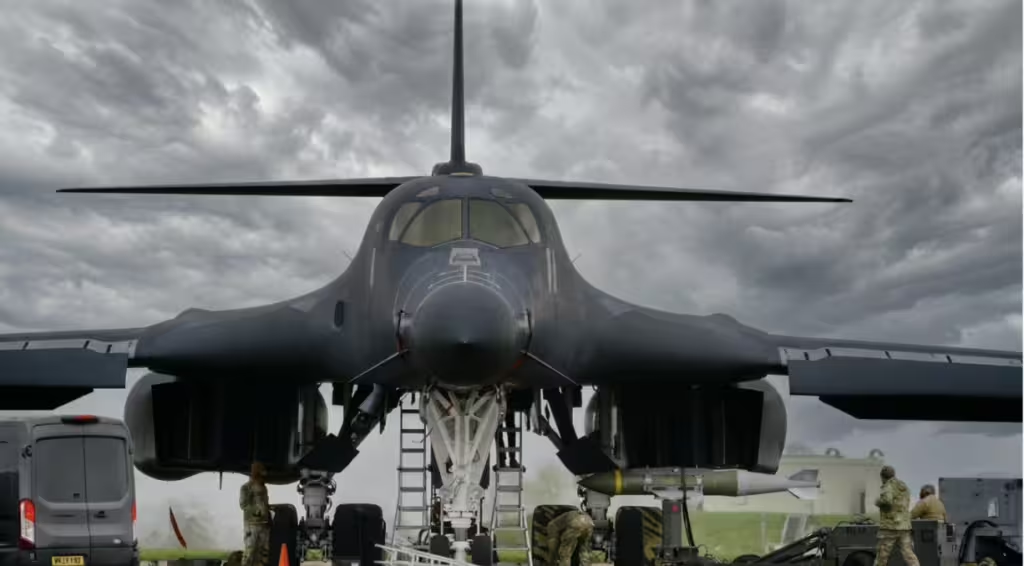
The United States deployed a B-1 strategic bomber in its expanding campaign against Iran, marking the aircraft’s first mission since hostilities resumed 12 days ago. The bomber took off from an air base in the United Kingdom to strike Revolutionary Guard targets.
The B-1 can carry 24 2,000-pound bombs or dozens of cruise missiles and fly faster than the speed of sound at low altitude. Its deployment gives Washington the capacity to hit more targets in a single mission as the U.S. continues its military buildup in the region.
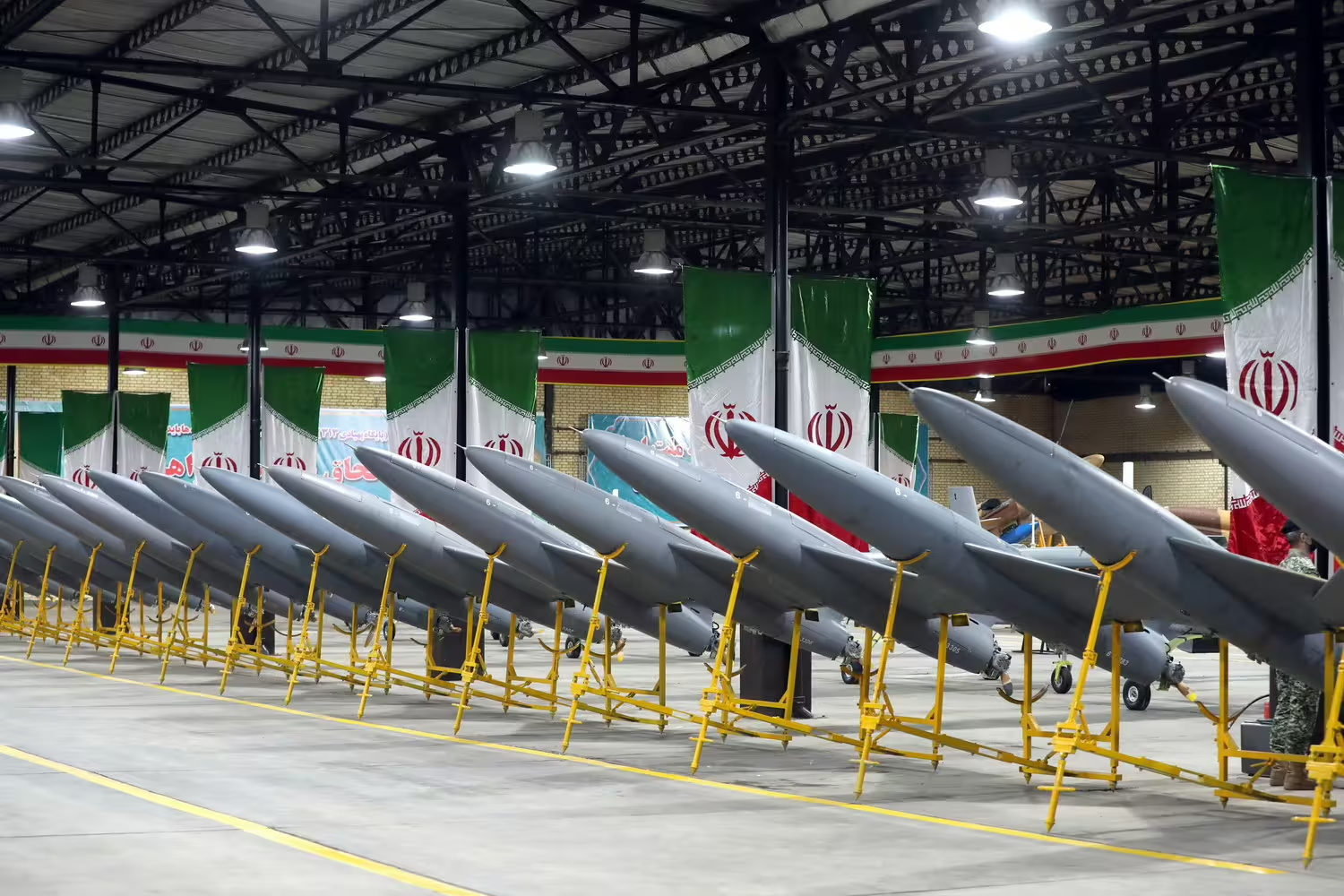
Central Command did not separately announce the mission, and it remains unclear what the bomber hit or whether the strike was more effective than previous attacks. The command said its operations targeted military centers, maritime capabilities, aircraft hangars, drone storage sites and logistics infrastructure.
Details
- Escalation signal: Donald Trump is considering a return to major combat operations against Iran and could decide within days, according to U.S. and Israeli officials.
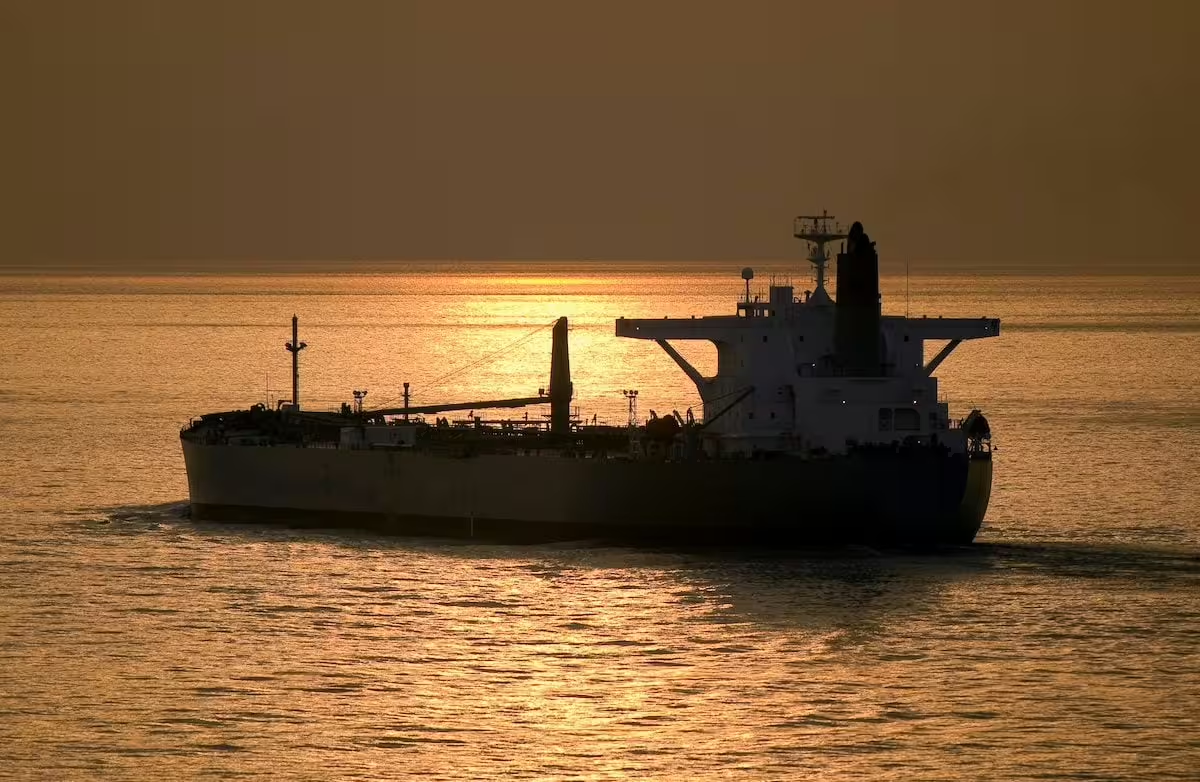
- Conflicting assessments: Some U.S. defense officials say Iran’s military capability around Hormuz is nearly nonexistent, while others say it can still attack ships.
- Infrastructure threats: Trump vowed to bomb bridges and power plants if Iran targets more ships. Tehran responded by threatening facilities in Gulf countries allied with Washington.
- Houthi front: The group attacked Saudi ships for the first time since declaring a blockade of Saudi ports, prompting commercial vessels to divert away from Bab el-Mandeb.
- Iran’s position: Tehran has not changed its stance on the Strait of Hormuz despite the wider strikes and continues attacking U.S. bases in the region.
- Mediation: Qatar remains in contact with the United States, Iran and Oman in an effort to reopen the strait and stop the fighting.
Between the lines
The B-1 deployment sends a message beyond the target it struck. Washington is demonstrating its ability to shift from limited attacks to intensive long-range operations launched from outside the region, without yet showing that it can change Tehran’s decisions.
What to watch
The main question is whether the B-1 mission marks the start of renewed major combat operations—and how much time Trump gives mediators. Expanding Houthi attacks could also open a second front threatening oil shipping in the Red Sea alongside the Gulf.